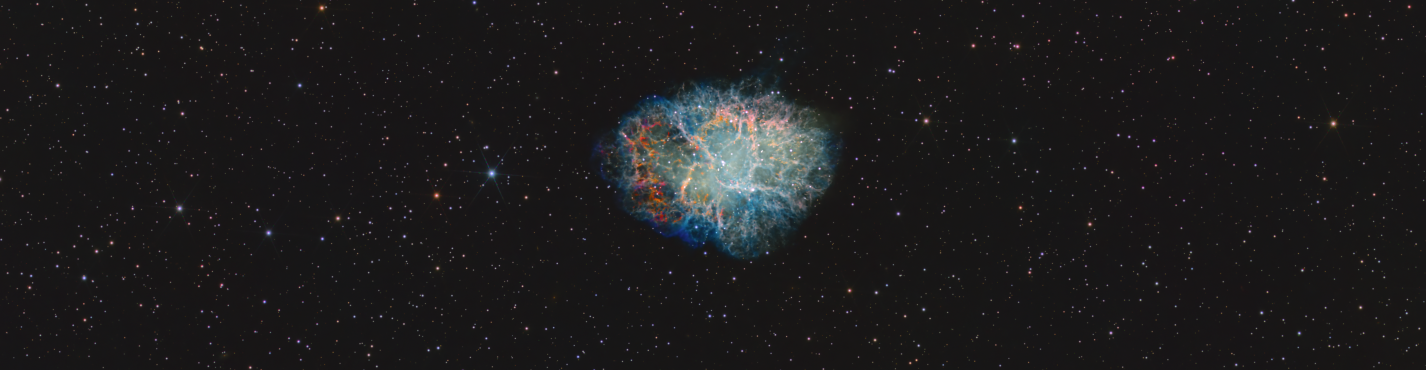

Just northeast of the Pleiades star cluster within the northern Milky Way, lies the dark region of the Taurus Molecular Cloud (TMC), which at 430 light years is the nearest star-forming region to Earth. Consisting of hundreds of solar masses of primordial hydrogen and helium gas, as well as heavier elements, this vast area of dense stardust obscures almost all light from behind. As such it forms an alluring target for astrophotography, with the complex rift-like dark structure of the TMC set against the broad starry background of the Taurus constellation.
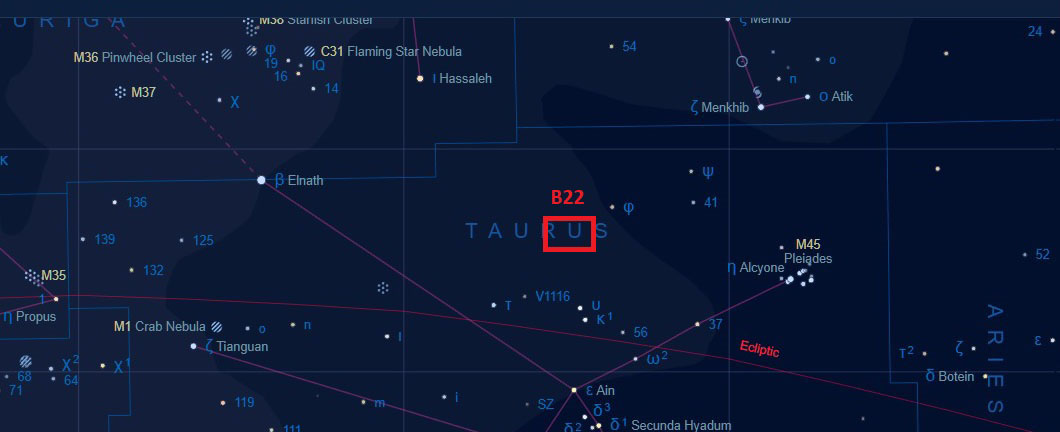
Notwithstanding, perhaps because of the more popular objects that abound throughout its neighbour the Orion constellation, the TMC is somewhat neglected by astronomers; to be fair the TMC is also a more challenging imaging target than many of those found in Orion. Early this year, for the first time I decided to image the dark nebula Barnard 22, an iconic section of the TMC formed by a complex mass of dark stardust that appears to hang within the vast surrounding starfield.
Approaching the new moon in late January I obtained almost 11 hours of LRGB subs, though sadly was unable to incorporate another 6-hours of 10-minute luminance exposures which proved to be too bright to use: note-to-self – check settings for new objects before embarking on long imaging programme! To achieve a balance between the large black smudge that is B 22 and the brilliance of the surrounding stars processing was tricky but the final outcome satisfying. Also noteworthy in the image, just off centre is the small flame-shaped reflection nebula IC 2087, the light from which just manages to emerge from behind the otherwise dominant, though beguiling form of Barnard 22, which like night itself seems to casts a dark veil over the cosmos.
| IMAGING DETAILS | |
| Objects | Barnard 22 dark nebula & IC 2087 reflection nebula |
| Constellation | Taurus |
| Distance | Approx.. 430 light years |
| Size | – |
| Apparent Magnitude | Varies |
| Scope | William Optics GT81 + Focal Reducer FL 382mm f4.72 |
| Mount | SW AZ-EQ6 GT + EQASCOM computer control & Cartes du Ciel |
| Guiding | William Optics 50mm guide scope |
| + Starlight Xpress Lodestar X2 camera & PHD2 guiding | |
| Camera | ZWO1600MM-Cool mono CMOS sensor |
| FOV 2.65o x 2.0o Resolution 2.05”/pix Max. image size 4,656 x 3,520 pix | |
| EFW | ZWOx8 EFW & 31mm Chroma LRGB filters |
| Capture & Processing | Astro Photography Tool + PHD2 + Deep Sky Stacker, PixInsight v1.8.8-12, Photoshop CC, Topaz AI DeNoise |
| Image Location & Orientation | Centre RA 04:39:00.365 DEC +26:00:13.426 Lower Left = North |
| Exposures | 120 x 180 sec L, 19 x 300 sec R, 20 x 300 sec G & B Total Integration Time: 10hr 55 min |
| @ 139 Gain 21 Offset @ -20oC | |
| Calibration | 10 x 60 sec Darks 15 x LRGB Flats & Dark Flats @ ADU 25,000 |
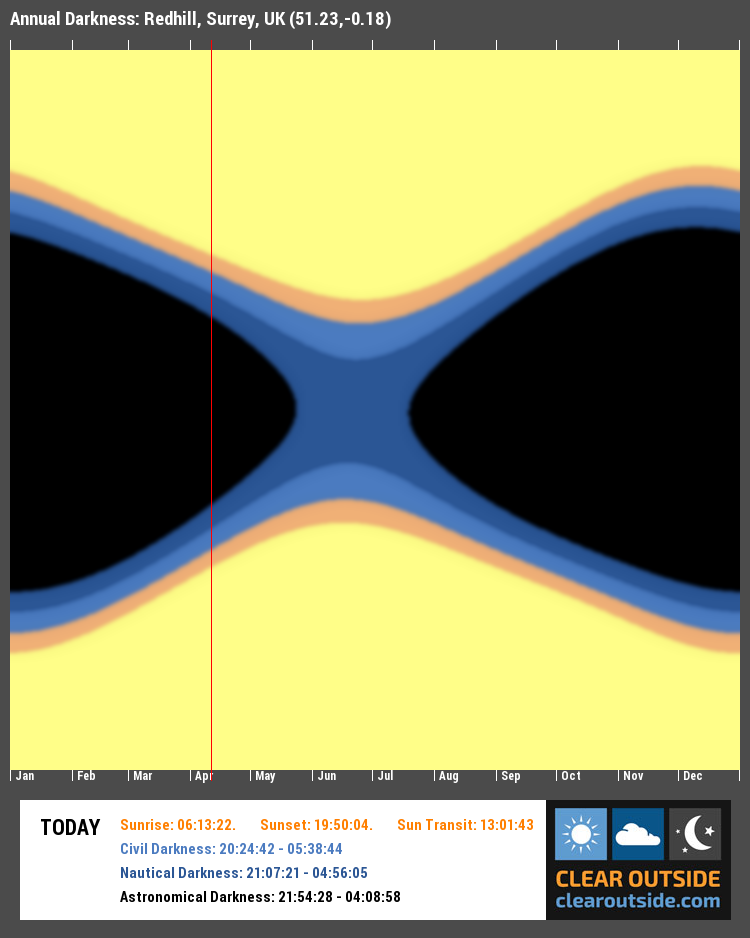
| Location & Darkness | Fairvale Observatory – Redhill – Surrey – UK Typically Bortle 5-6 |
| Date & Time | 27th 29th 31st January + 4th & 6th February 2022 @ +18.30h |
| Weather | Approx. <4oC RH >=75% 🌙 around New Moon |

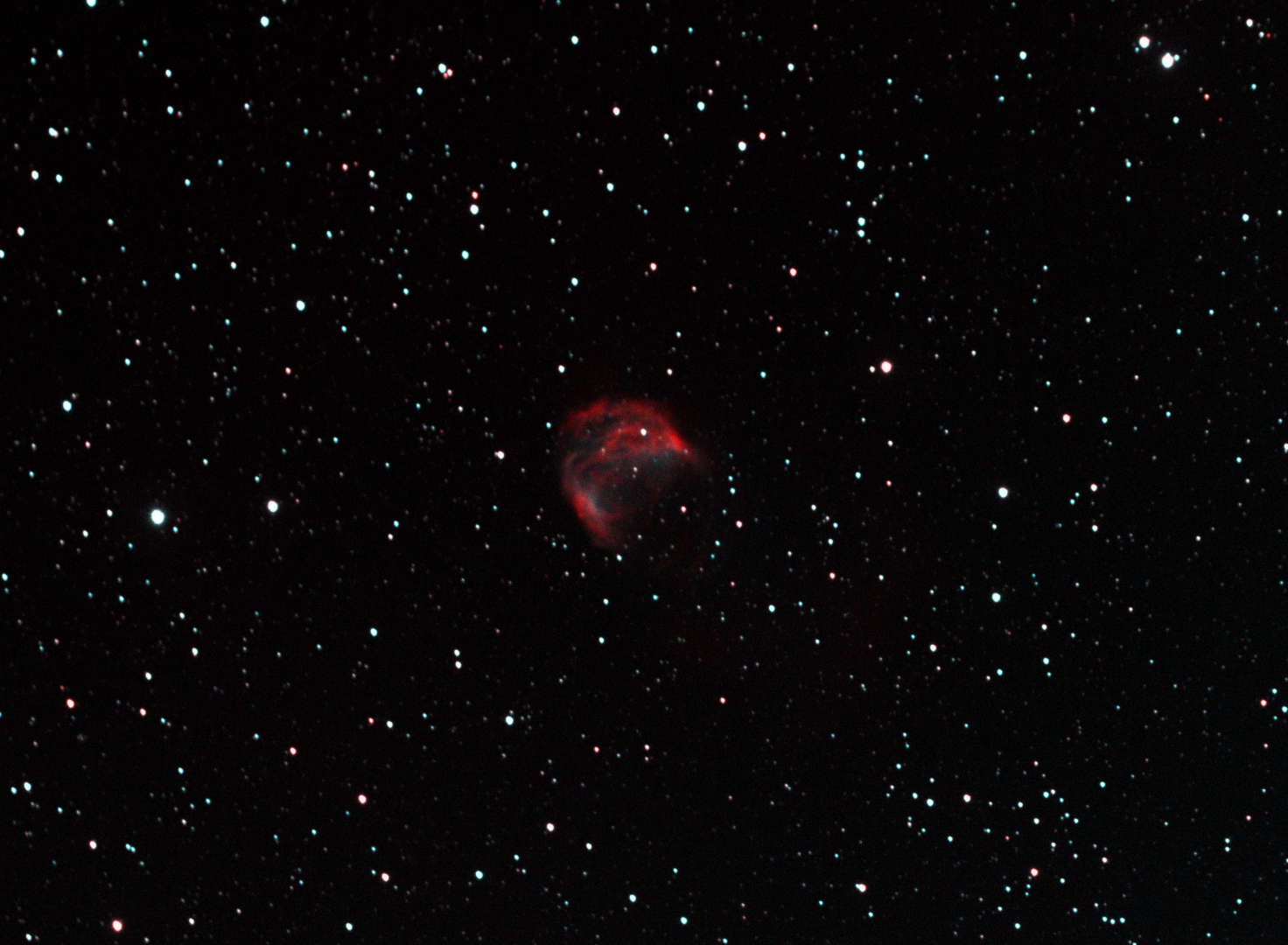
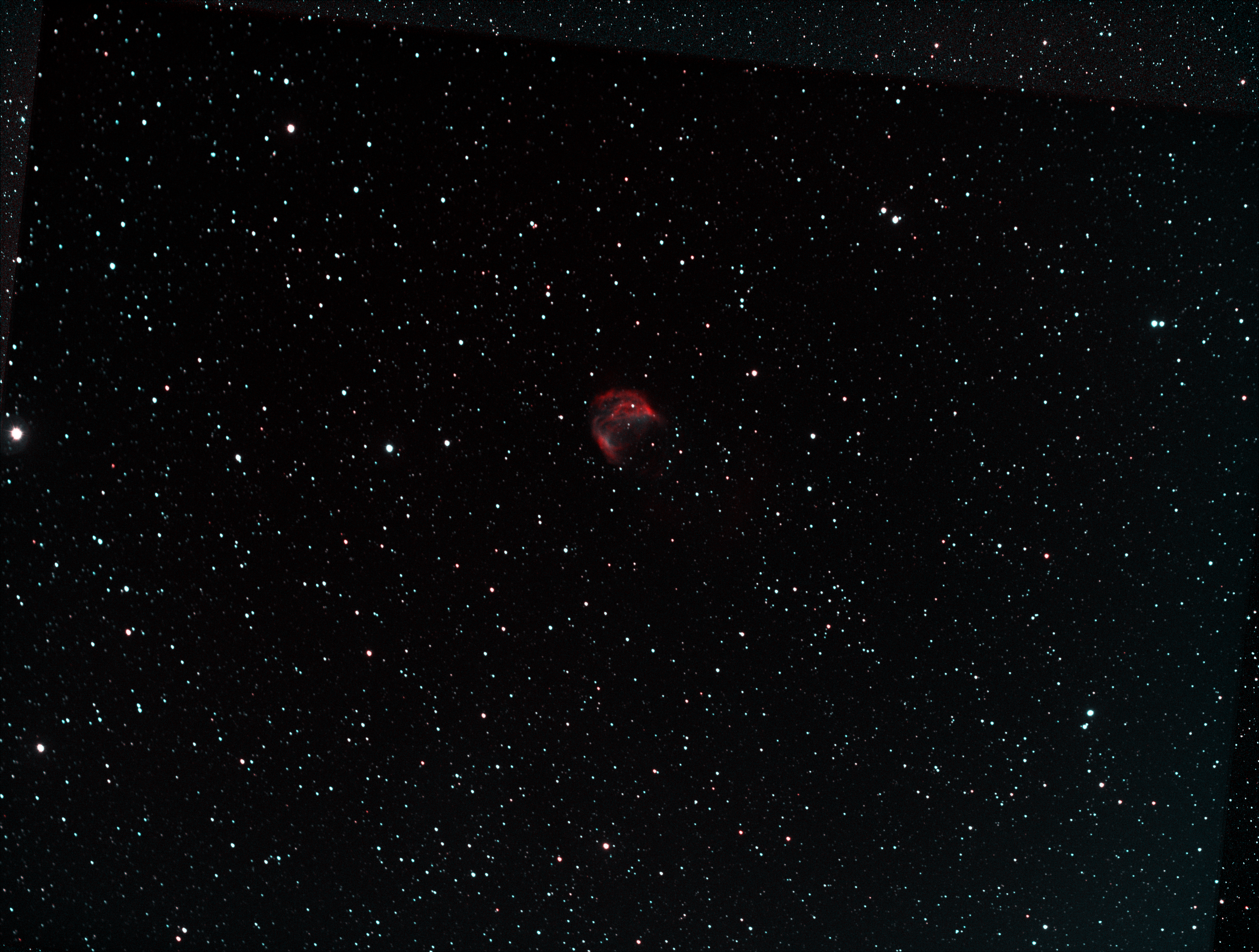
 Such objects are usually short lived and unfortunately small and faint, making them a challenge for smaller telescopes and Bortle 5-6 skies, such as I have at Fairvale Observatory. However, I recently decided to return to the Medusa Nebula, a planetary nebula which I previously had imaged as a test in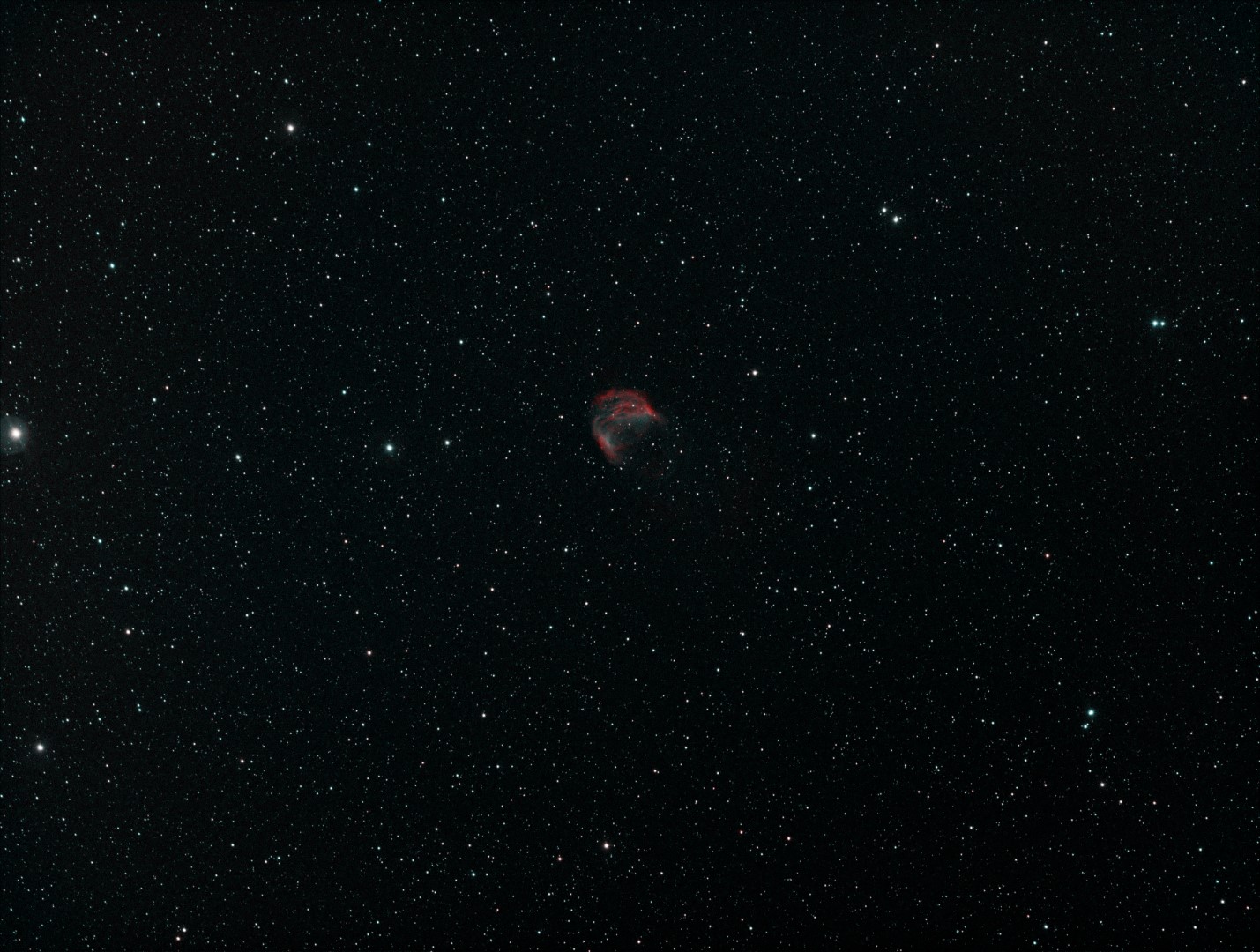


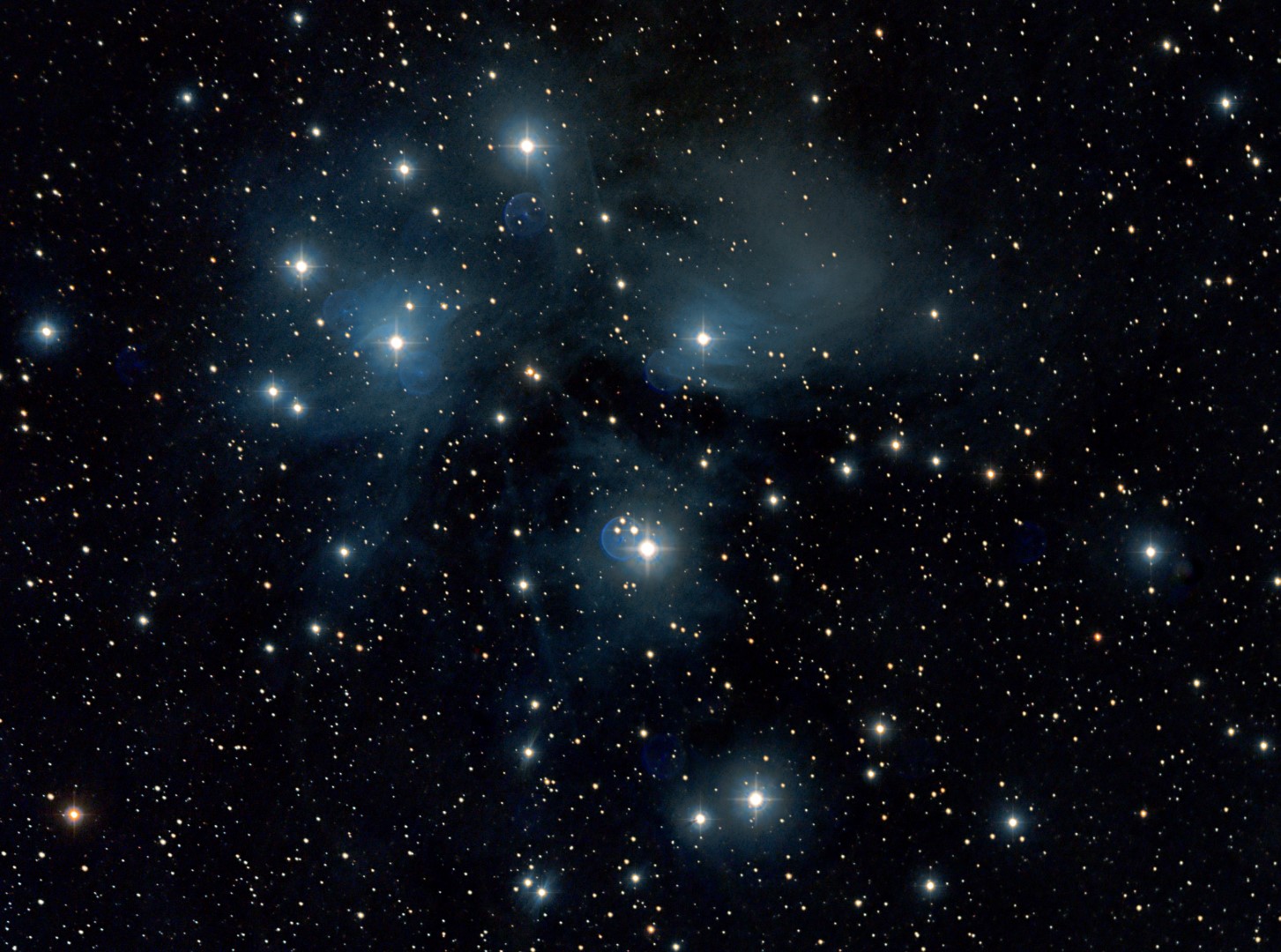
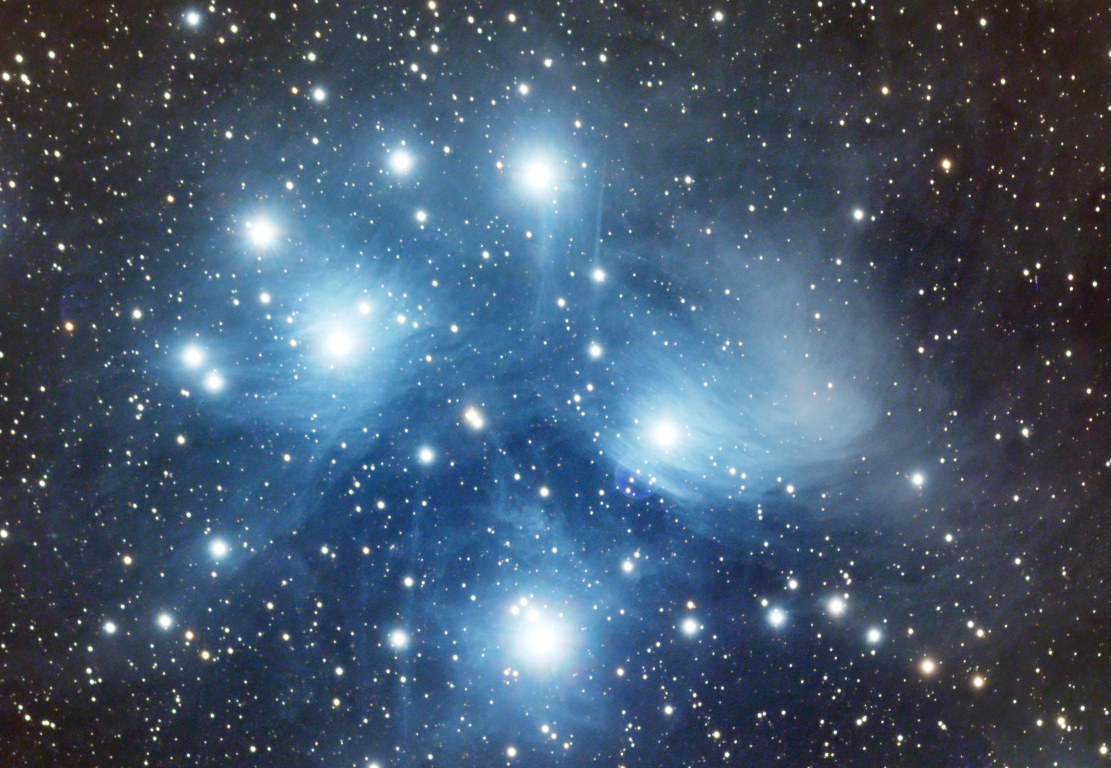
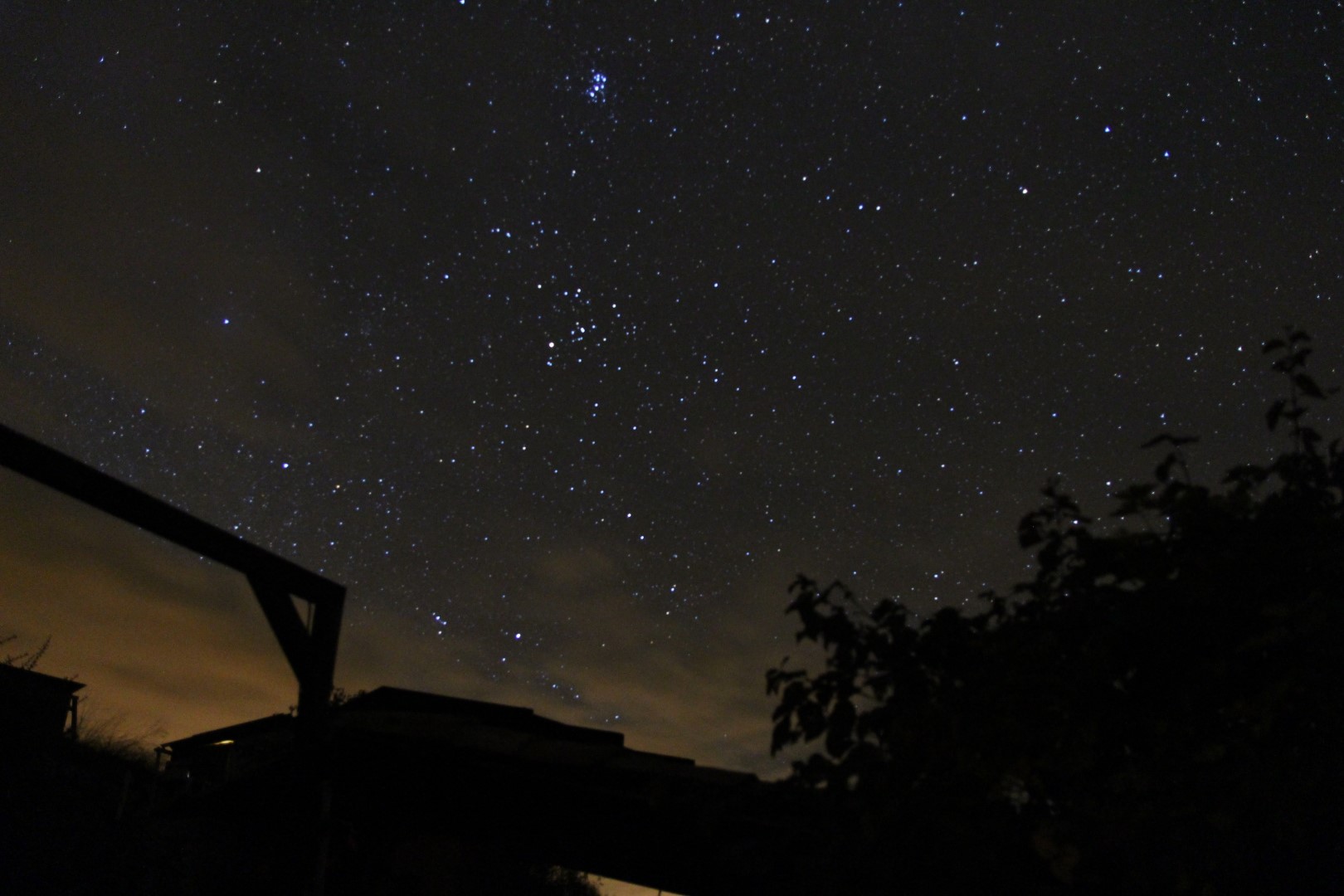
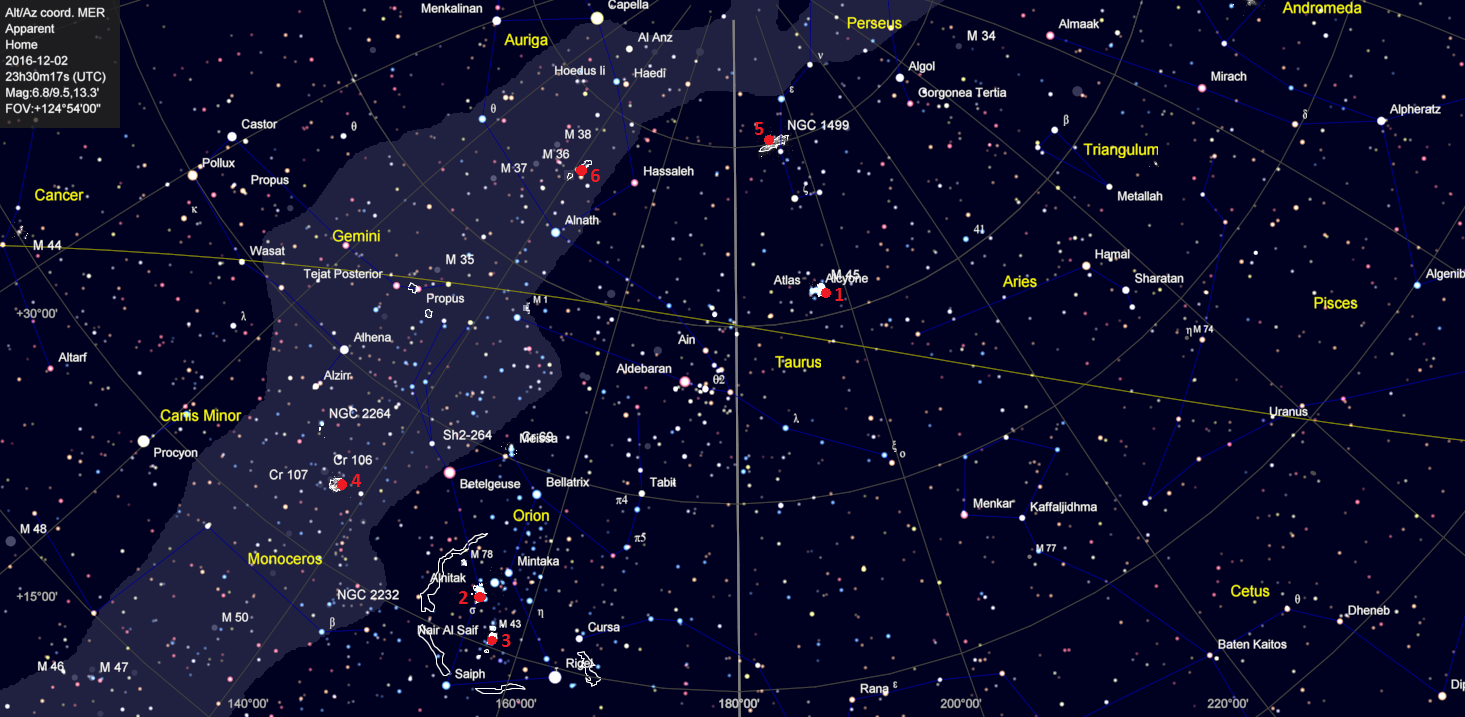
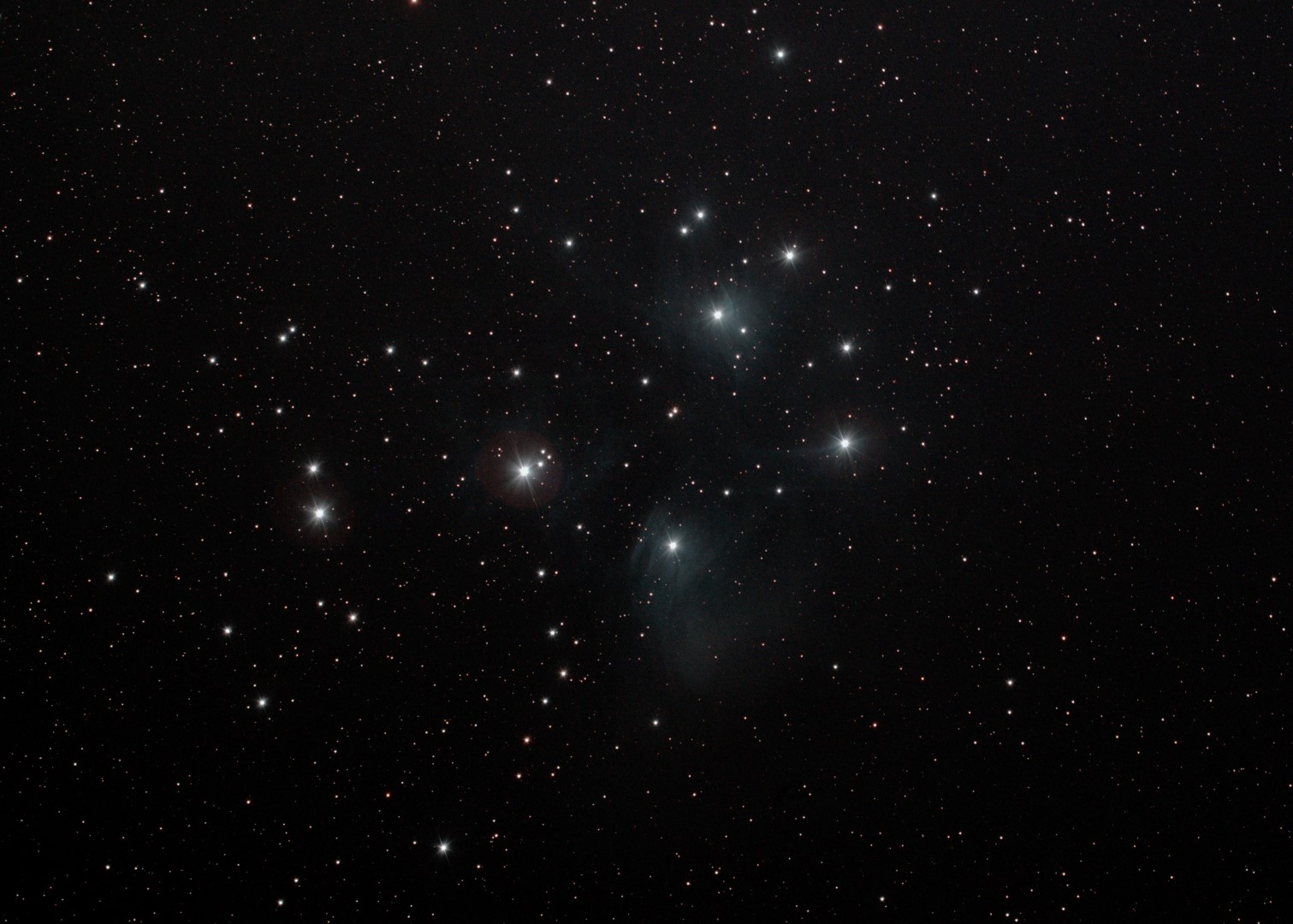
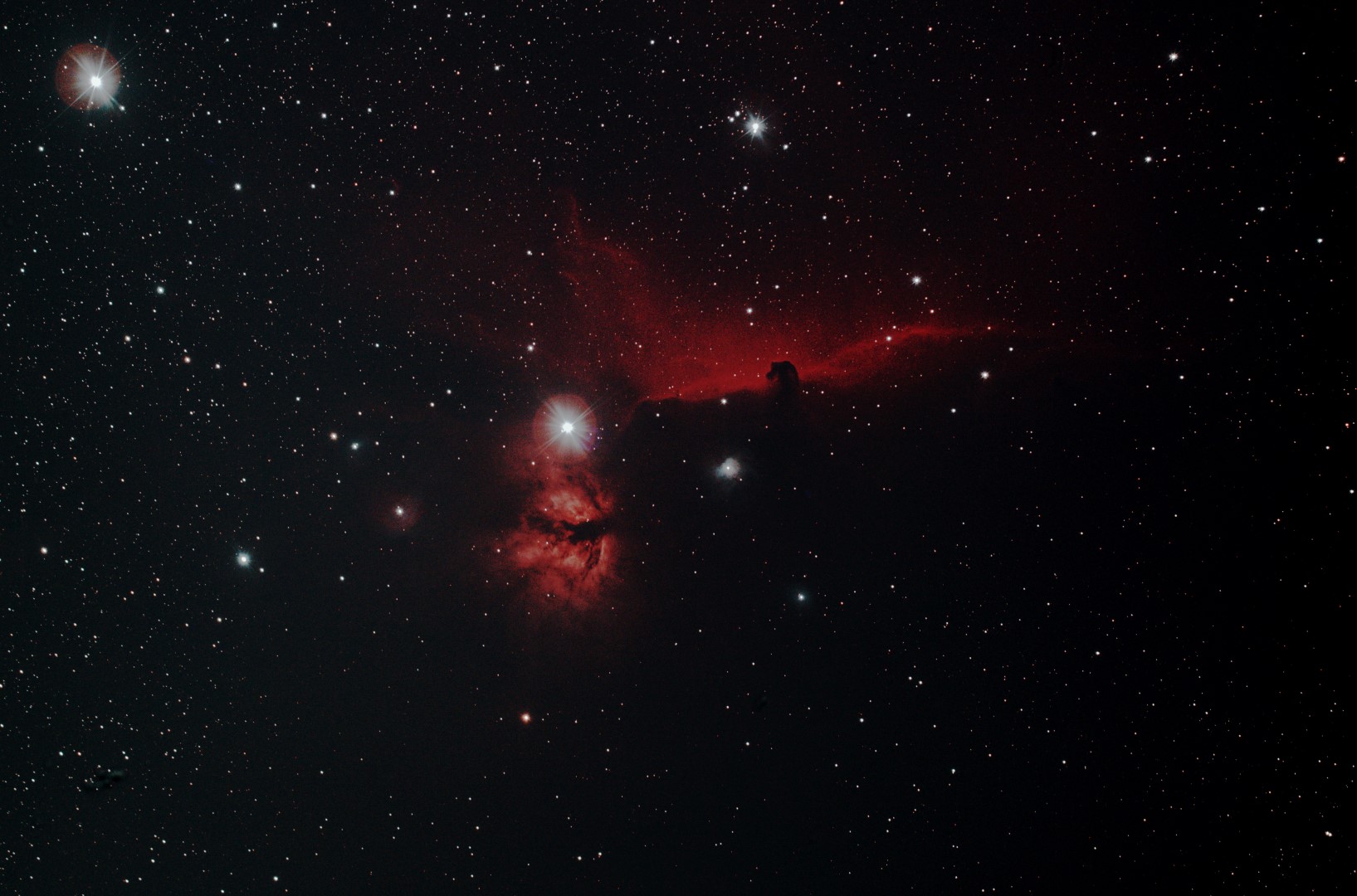
 Surprisingly it is possible to obtain an early glimpse of these objects just before dusk at the end of a night’s viewing in the late summer but the real show begins during November, when they start to appear more conveniently in the darkness of the early evening. With this in mind I recently set out to image the vanguard of the winter night sky, Messsier 45 or the Pleiades, an open cluster dominated by bright blue stars. Located at the ‘front’ of the Taurus constellation, this group of stars heralds the arrival of Orion, perhaps the most spectacular and certainly most imaged constellation of the year, followed by Monoceros, Gemini and Auriga with their own wonderful deep sky objects – but first Pleiades.
 WATCH THIS SPACE(MAN)