
I have a theory that at or about the time of each full moon the night sky is almost always clear, I don’t have the data but it just seems that way most of the time. As an astrophotographer I am more than usually aware of the full moon as it makes all except narrowband imaging impossible, when it floods the night sky with its brilliant white light. Apart from a brief and somewhat futile attempt on 14th December – the Moon and mixed cloud curtailed imaging on that occasion – my last astronomy at Fairvale Observatory was on the 17th October, thereafter being plagued by persistent cloud and bad weather; after a promising start at Les Granges Observatory in early November no further astronomy was possible during the rest of the week due to cloud and poor weather conditions. I’m beginning to think I need a new hobby, one that is not weather dependent at least!
Given the disappointing lack of astronomy conditions I paid little attention to the upcoming lunar eclipse on the early morning of 21st January. However, as the day approached various weather forecasts were inevitably mixed but at least two out of five held some promise of clear skies during part of the eclipse. I therefore started to at least undertake some preliminary planning, only to discover that much of the eclipse might be obscured by houses and tall trees to the west of my location; Plan-B was to travel to nearby Reigate Priory Park which has a decent westerly outlook closer to the horizon.
As it turned out on the 20th a clear, sunny but cold and clear day preceded a clear evening and at about 3 a.m. on the 21st shortly before the action was due to start, the sky was still clear, thankfully proving my theory correct on this occasion. Furthermore, my concerns over obscured views turned out to be mostly unfounded, with the Moon higher in the sky than envisaged and good sightlines up until the end of totality, at which time the cloud eventually rolled in anyway. As a result I was able to enjoy over two hours viewing and imaging time, which encompassed the entire penumbral and totality stages of the eclipse.
Having obtained excellent images of the last lunar eclipse on 28th September 2015, tracking with a DSRL and the William Optics GT81 + another static, tripod fitted DSLR and 250mm zoom lens, this time I decided to adopt a different, more mobile set-up, in case Plan-B was necessary. In 2017 I purchased a Canon 300mm f/4 L-Series telephoto lens to use for astronomy and wildlife photography. The Canon’s Series-L lenses are a high quality, professional line especially made for APS-C cameras such as the 700D. With no less than 15 lens elements and a fixed focal length, the picture quality for terrestrial imaging is fantastic, further assisted by a very accurate and quite image stabilizer.
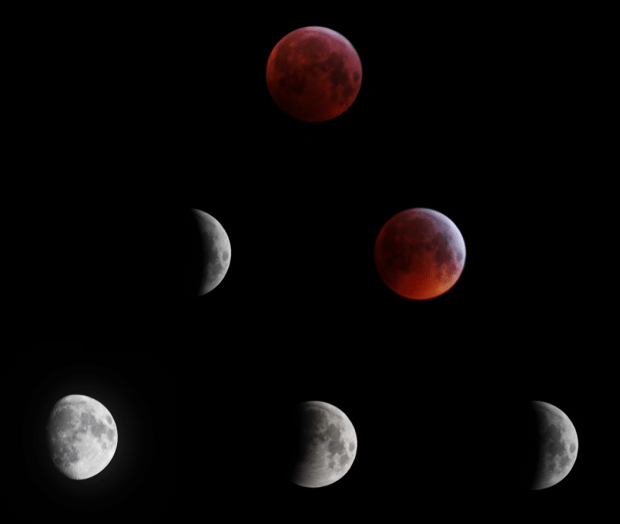
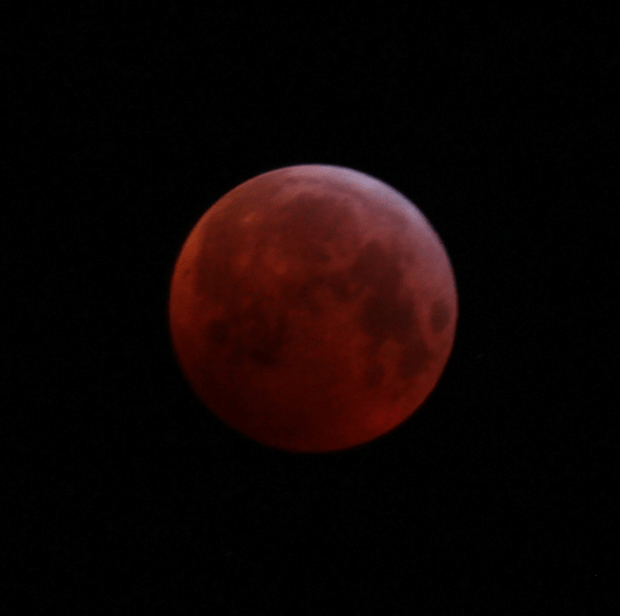
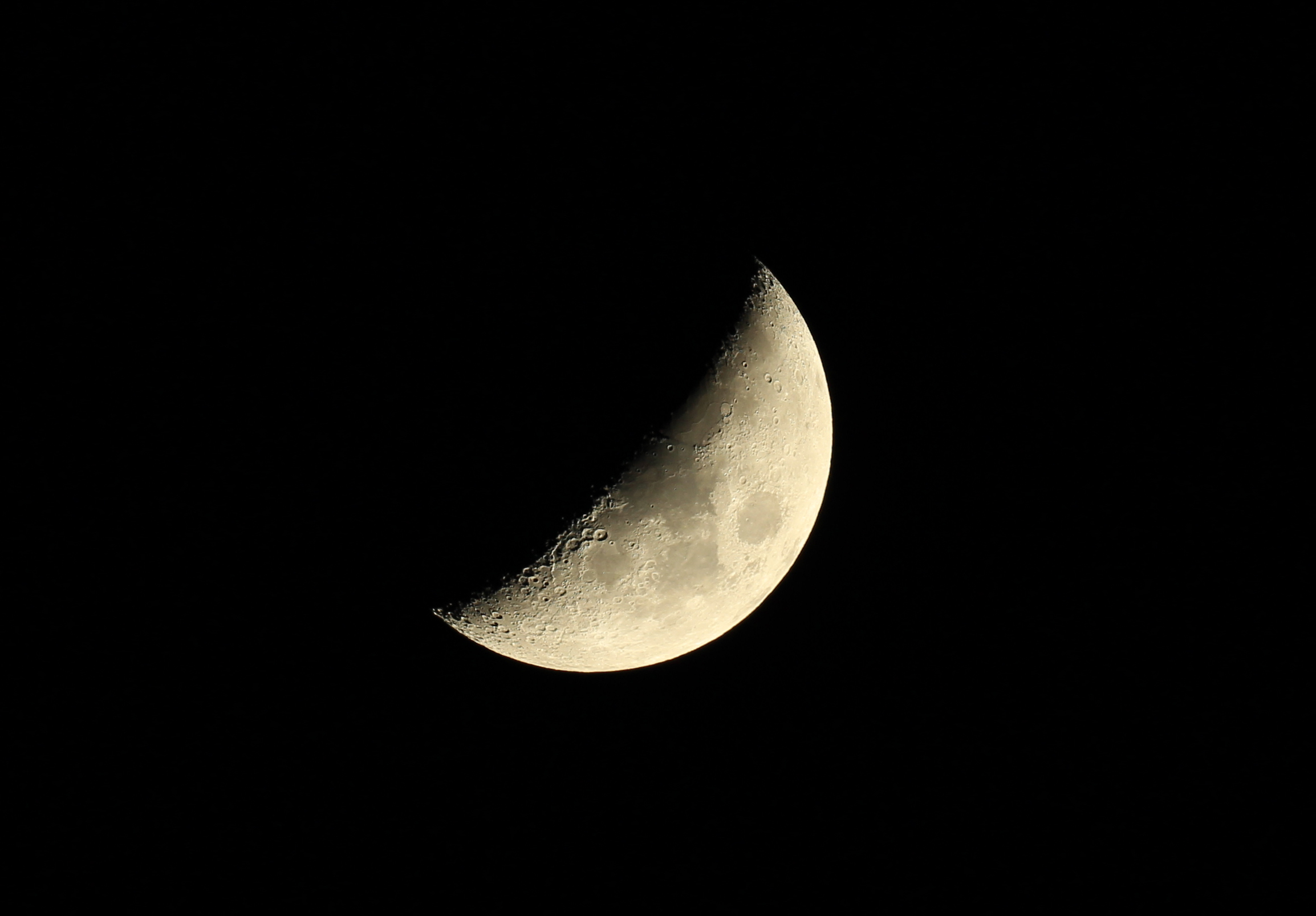
This time I mounted the lens directly onto the tripod, with the camera further back so as to provide good balance between the two components. As the autofocus and IS functions cannot be used in a dark sky for astrophotography, focus can be tricky and a compromise is required between the aperture setting for sharpness and a low ISO for quality. As I discovered last time, the light quality diminishes significantly whilst the eclipse progresses across the face of the Moon and the aforesaid settings need to be constantly adjusted to compensate, especially during totality. In the end I was pleased with the outcome of imaging the so-called Super Blood Wolf Moon (see mosaic above and image below).
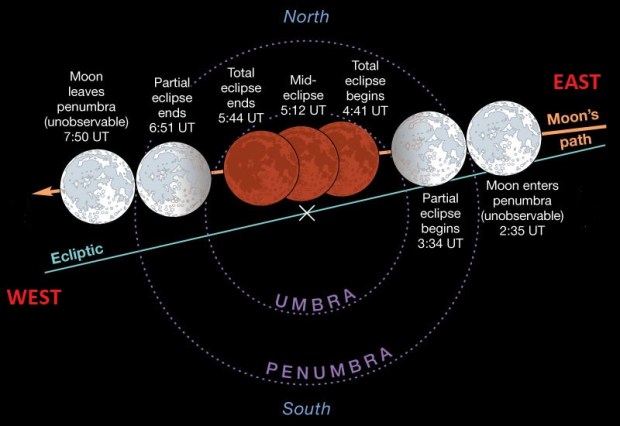
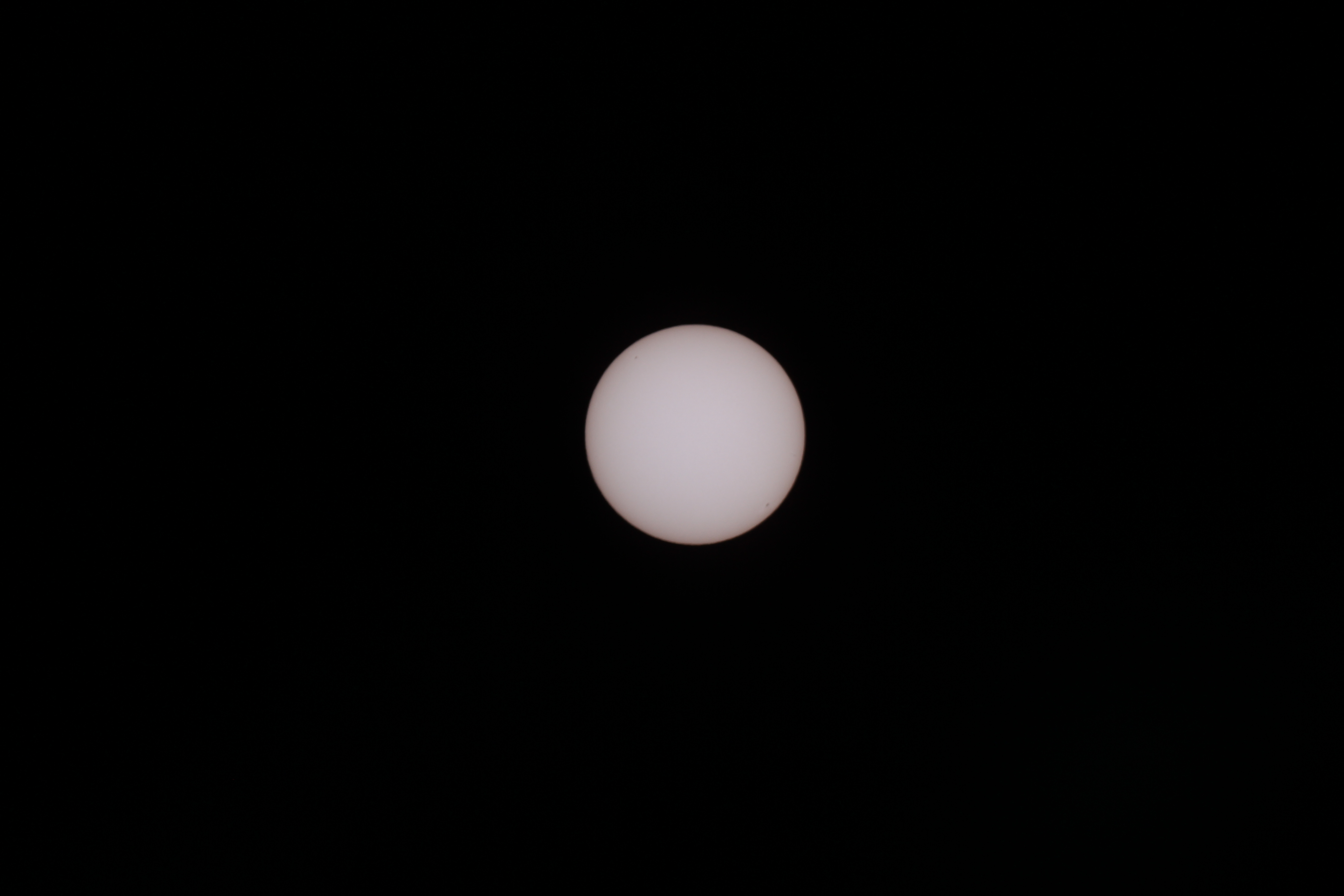
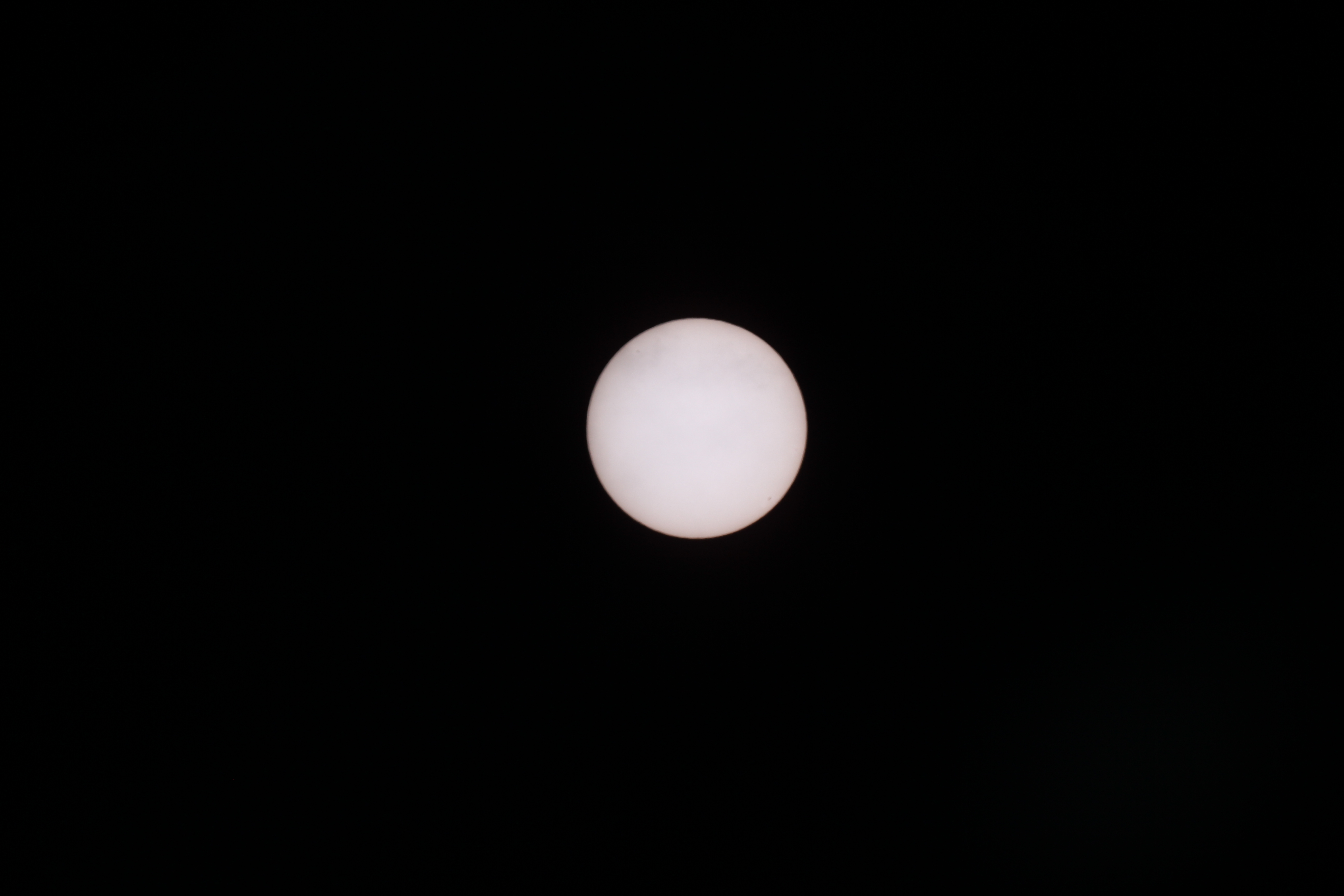
As pleasing as imaging the eclipse is, like a solar eclipse viewing is an entirely different experience. It is a pleasure to just watch the whole phenomena play out but the dramatic changes of light also has a profound effect on both the night sky itself and, in particular, the very nature of the Moon as perceived by the naked eye. On a clear night the full moon floods the night sky with its very bright light, thereby effectively hiding all but the very brightest of stars from view. As the penumbral stage progresses (see diagram below) for about an hour the dark night sky is slowly revealed in all its glory, it’s as if someone has pulled the curtains and a new world has appeared.
Furthermore, as the moon darkens and eventually enters totality it takes on a completely different and eerie feeling, as well as a red hue caused by Raleigh scattering. As is often the case with astrophotography the camera sensor is able to capture much greater colour and detail than the naked eye can see, thus producing beautiful images of one of nature’s best shows. However, to the naked eye the moon takes on a different, somewhat strange nature during totality – something of a 3D effect occurs as it seems to float in the night sky like a big red balloon – something that an image cannot ever capture, making the night time adventure more exciting and worth all the effort.
Lunar eclipses are not that rare but we now have to wait 10-years for the next one in the UK which will take place on 20th December 2029, with or without cloud!
| IMAGING DETAILS | |
| Object | Lunar eclipse – Super Blood Wolf Moon |
| Distance | <238,000 miles (30,000 miles closer than usual) |
| Size | 31’or 1/2o |
| Apparent Magnitude | -12.74 @ mean full moon |
| Scope / Lens | Canon L-Series 300mm f/4 |
| Mount | Manfrotto tripod |
| Camera | Canon 700D |
| Capture & Processing | Manual, Photoshop CS3- Extended |
| Exposures | x50: Penumbral f/8 1/125’ ISO 100 Totality f/5.6 0.80’ ISO 400 |
| Location & Darkness | Fairvale Observatory – Redhill – Surrey – UK Typically Bortle 5 |
| Date & Time | 21st January 2019 @ approx. 03.30h |
| Weather | <= 1oC RH <=95% 🌙 Eclipse |

 WATCH THIS SPACE(MAN)