By Jove

As a visual and photographic spectacle, in my opinion Jupiter comes a close second to Saturn among the planets.  The so-called ‘King of the Planets’, Jupiter is more than twice as massive as all the others combined. Notwithstanding its size, Jupiter has the shortest ‘day’ of any planet, rotating fully in just 9-hours and 50 minutes – as a result creating a significant equatorial bulge that measures 88,760 miles in diameter and 83,082 miles from pole-to-pole.  However, as a gas giant the planet does not rotate en masse, with the outer regions moving slower than the equatorial region leading to a series of distinctive belts and zones, most notable of which is the Great Red Spot – a massive storm on the edge of the South Equatorial Belt.

Partly because of its vast size and resulting gravitational field, Jupiter is thought to have played a dominant role in shaping the present Solar System.  The planet we see today is not alone, with 67 moons so far identified, the four largest discovered by Galileo 400 years ago being easily visible from Earth.  In order of distance from Jupiter the moons of Io, Europa, Ganymede and Callisto are extremely diverse in nature – ranging from the highly volcanic Io to the frozen world of Europa, whilst Ganymede and Callisto may have sub-surface oceans and are bigger than the planet Mercury.


Despite being by far the largest planet in the Solar System and the fourth brightest object after the Sun, Moon and Venus, my attempts to image Jupiter and its Jovian neighbours have so far met with only mixed success.

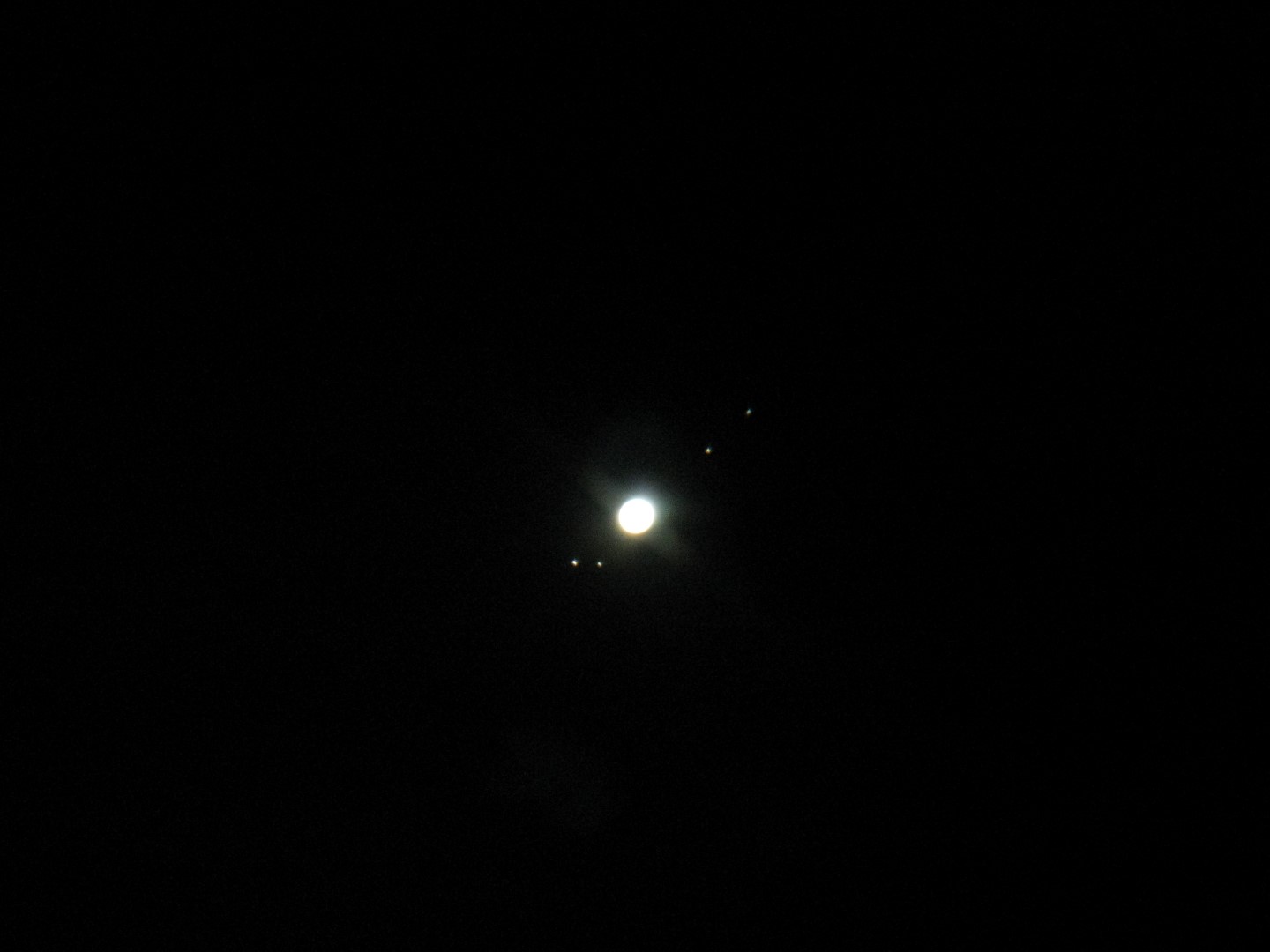
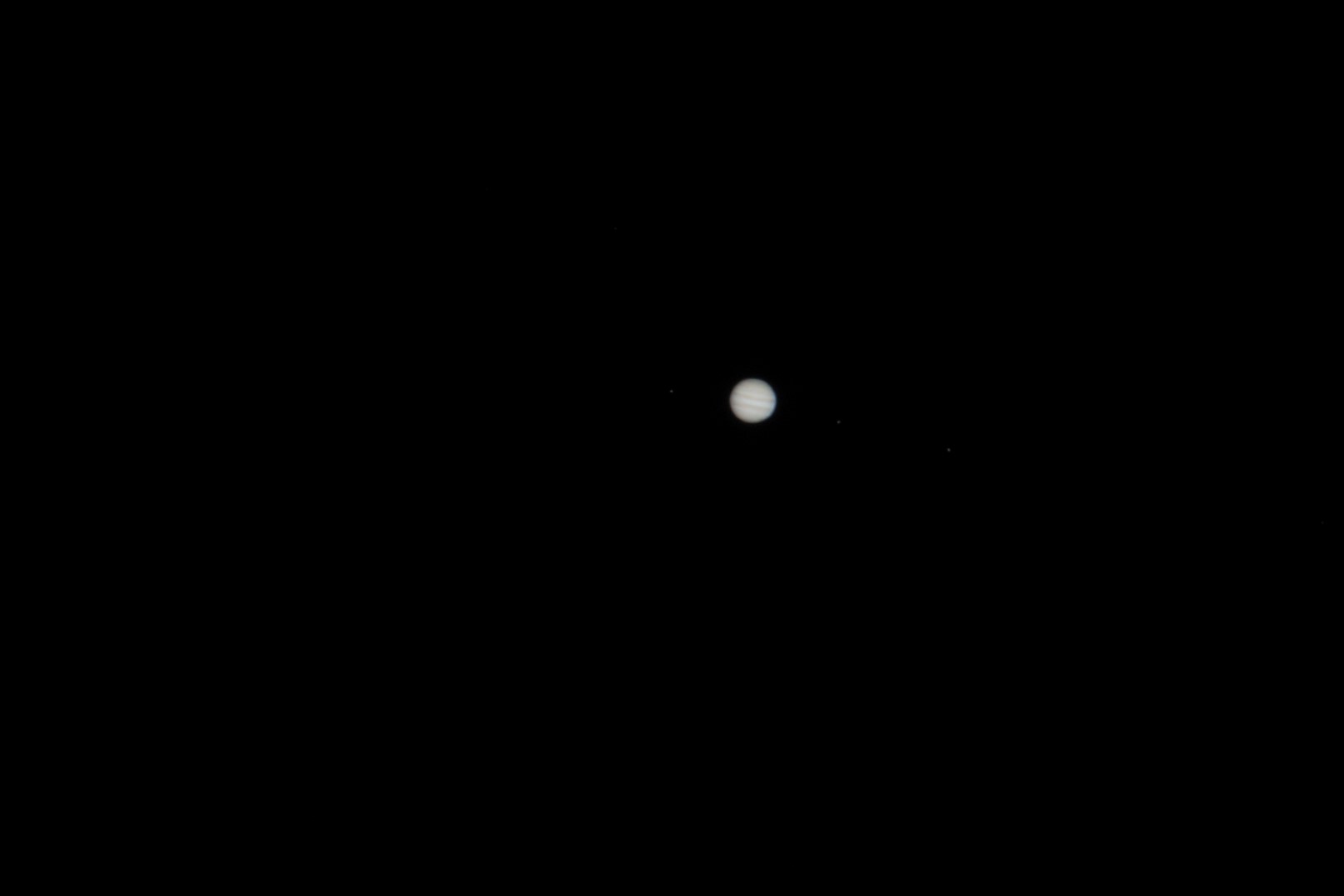
Most people’s first view of Jupiter is likely to be through binoculars or a basic telescope, which will   show the very bright planet accompanied by a number of its Gallilean moons, depending on their orbital position i.e. when located behind the planet they will, of course, not be visible.  Having viewed Jupiter a few times like this, my first attempt to image the planet and its moons was just such a view simply using the William Optics 81mm refractor, a x2 Barlow and my Canon 700D DSLR.  Compared to Jupiter the moons are not as bright and to capture their presence it is necessary to boost either the ISO or exposure time, which then overexposes the bright planet resulting in loss of detail – in this case the distinctive coloured gas bands. Conversely, with a lower ISO or exposure this detail once again becomes apparent but some or all of the moons are then lost in the image.  The way round is to combine two sets of images taken at different camera settings, thus obtaining the best of both worlds, literally.  For the moment however this remains work in progress.
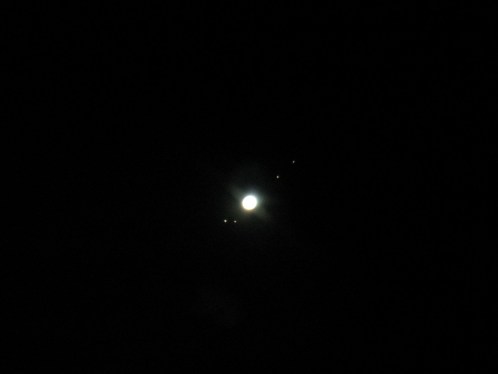
Jupiter  - overexposed but  shows all four Gallilean moons.

January 2014, Jupiter – overexposed but shows all four Gallilean moons | 1 sec @ ISO 400
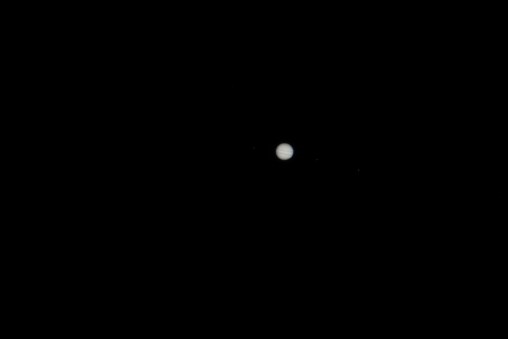
 

upiter - lower exposure shows the gas belts but the moons, though there, are now very difficult to see.  1/3rd sec @ ISO 800

Jupiter – lower exposure shows the gas belts but the moons, though there, are now very difficult to see. 1/3rd sec @ ISO 800

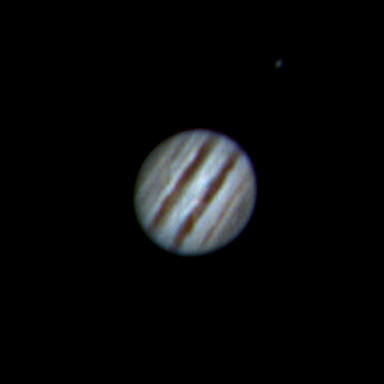
Personally I like the wider view of Jupiter and its moons but inevitably the holy grail has to be a close-up image showing details of the planet’s characteristic gas belts, which requires the use of a CCD video, in my case a ZWO ASI 120MC camera.  Having mostly concentrated on DSO photography to-date using a DSLR, my use of the ZWO camera is limited and with mixed success.  Using this camera and the Skywatcher 150PL reflector telescope I have previously managed images of Saturn, Mars and the Moon but this time I used the William Optics refractor instead.

CCD imaging is a very different technique to DSLR and it’s fair to say that I still have much to learn. Notwithstanding, using Registax for processing I obtained some reasonable first-time Jupiter images but will need more practice to improve the detail; the quality might also be improved using WinJUPOS software during processing, which applies a de-rotational programme to the fast moving planet thus reducing blur – however, I have yet to understand let alone master this software.  Also, whilst the quality of the William Optics telescope is far superior to the Skywatcher 150PL, it is obvious that its relatively short focal length is not really adequate for good planetary imaging.
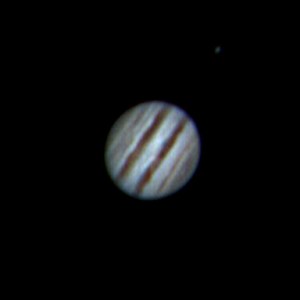
21st February 2015. Jupiter up close WO 81GT81 | ZWO 120 MC

21st February 2015. Jupiter up close
WO 81GT81 | ZWO 120 MC

So far this year Jupiter had already provided a number of different opportunities for imaging.  Between February and April the planet moved across the southern sky in all its glory, whilst more recently it moved into close conjunction with Venus at the end of June and there’s more to come.

On 26th August from our vantage point on the Earth, Jupiter will appear very close to the Sun in the sky as it passes around the far side of the solar system from the Earth.  At closest approach, Jupiter and the Sun will appear at a separation of only 0°52′, making Jupiter totally unobservable for several weeks while it is lost in the Sun’s glare.  At around the same time, Jupiter will also be at its most distant from the Earth – receding to a distance of 6.40 AU – since the two planets will lie on opposite sides of the solar system.  Over following weeks and months, Jupiter will re-emerge to the west of the Sun, gradually becoming visible for ever-longer periods in the pre-dawn sky. After around six months, it will reach opposition, when it will be visible for virtually the whole night, by which time I have hopefully mastered some new techniques for imaging this Jovian King of the Planets.
Canon Koppernigk’s Conjunction

This time of the year is something of a fallow period for astronomers: short nights combined by with the complete absence of astronomical darkness and fewer DSOs.  I have personally found this year more difficult than usual as since April 25th, following an operation to replace my left knee, I have been physically unable to set-up Fairvale Observatory and undertake astronomy of any sort.  Notwithstanding, once over the initial few weeks of pain, I have tried to use the extra time afforded me usefully.

download

I have been reading Arthur Koestler’s excellent book The Sleepwalkers, which charts the history of man’s understanding of the universe and astronomy.  Speaking of fallow periods, in the book I’m just past the very long period of inactivity and general superstition regarding the cosmos that occurred during the Middle Ages, which followed the more enlightened thinking of the Greeks, particularly Pythagoras; taking account of the Greek’s progress in understanding the Universe, our astronomical knowledge might have been 1,500 years more advanced today were it not for this prolonged medieval hiatus!  Fortunately Copernicus (his better known Latin name) finally initiated what has become today’s heliocentric model of the Solar System, although his seminal work On the Revolutions of the Heavenly Spheres was only published just a few hours before his death after a delay of 30-years, such was his reluctance to put forwards such thoughts at that time.

Next, I have just completed the 6-week AstroTech MOOC course organised by Edinburgh University, which covered the scientific logic behind astronomical discoveries and the technology that lies behind them.  This was my third astronomy MOOC and provided some interesting insight into telescope and imaging technology, as well as filling time during my recovery.

Finally, as my (limited) mobility has slowly started to improve, the night sky has recently provided a fascinating show of its own that did not require the observatory’s paraphernalia and, furthermore, beautifully demonstrated the principles originally outlined by Copernicus in 1543.

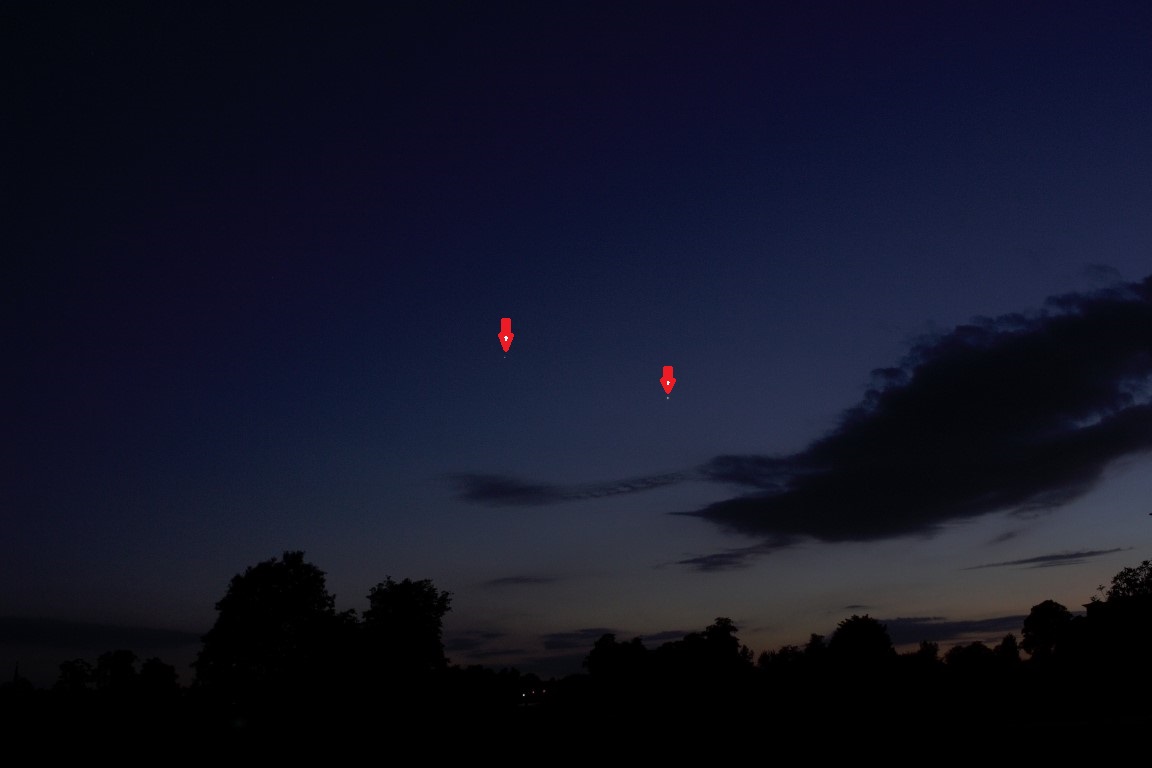
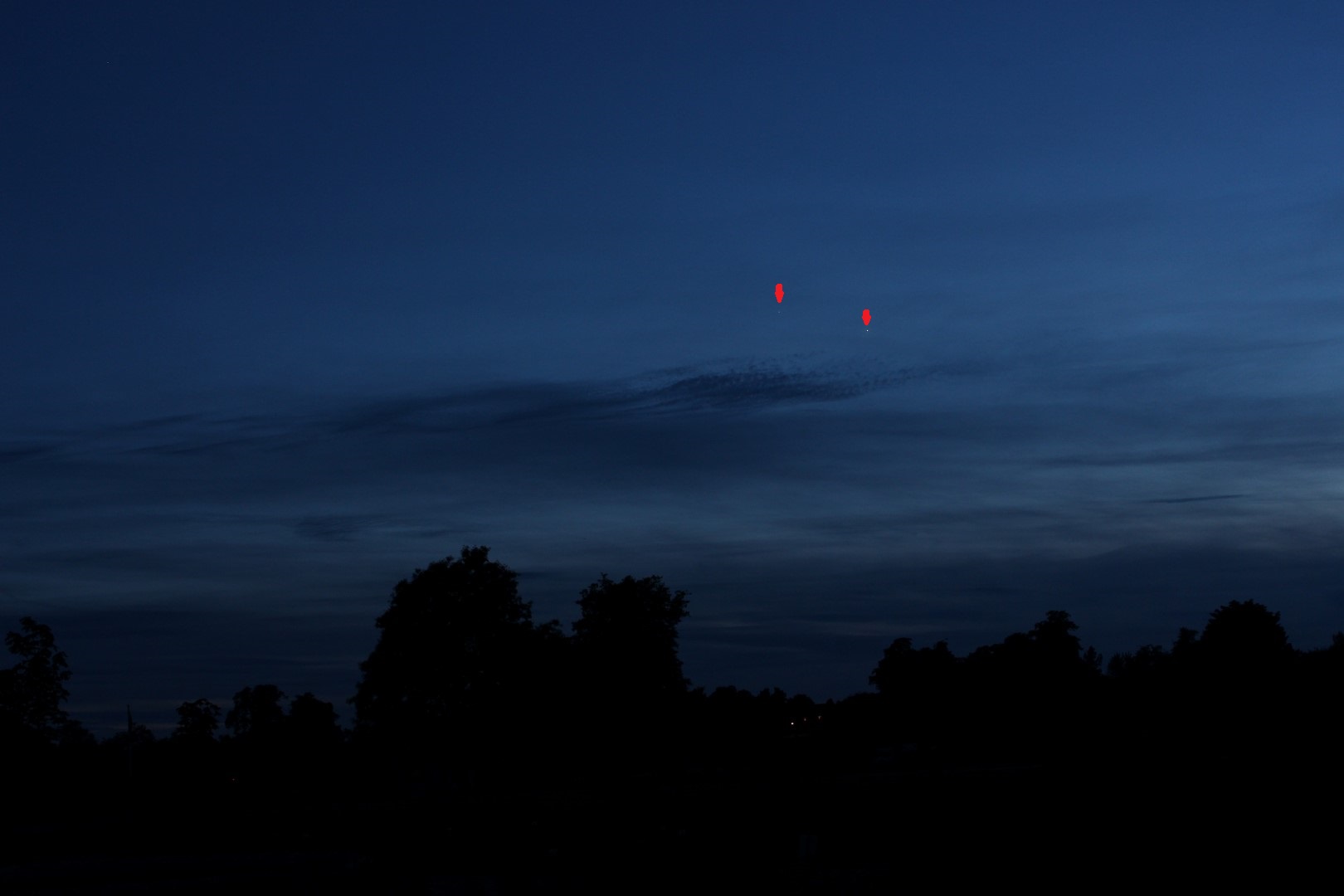
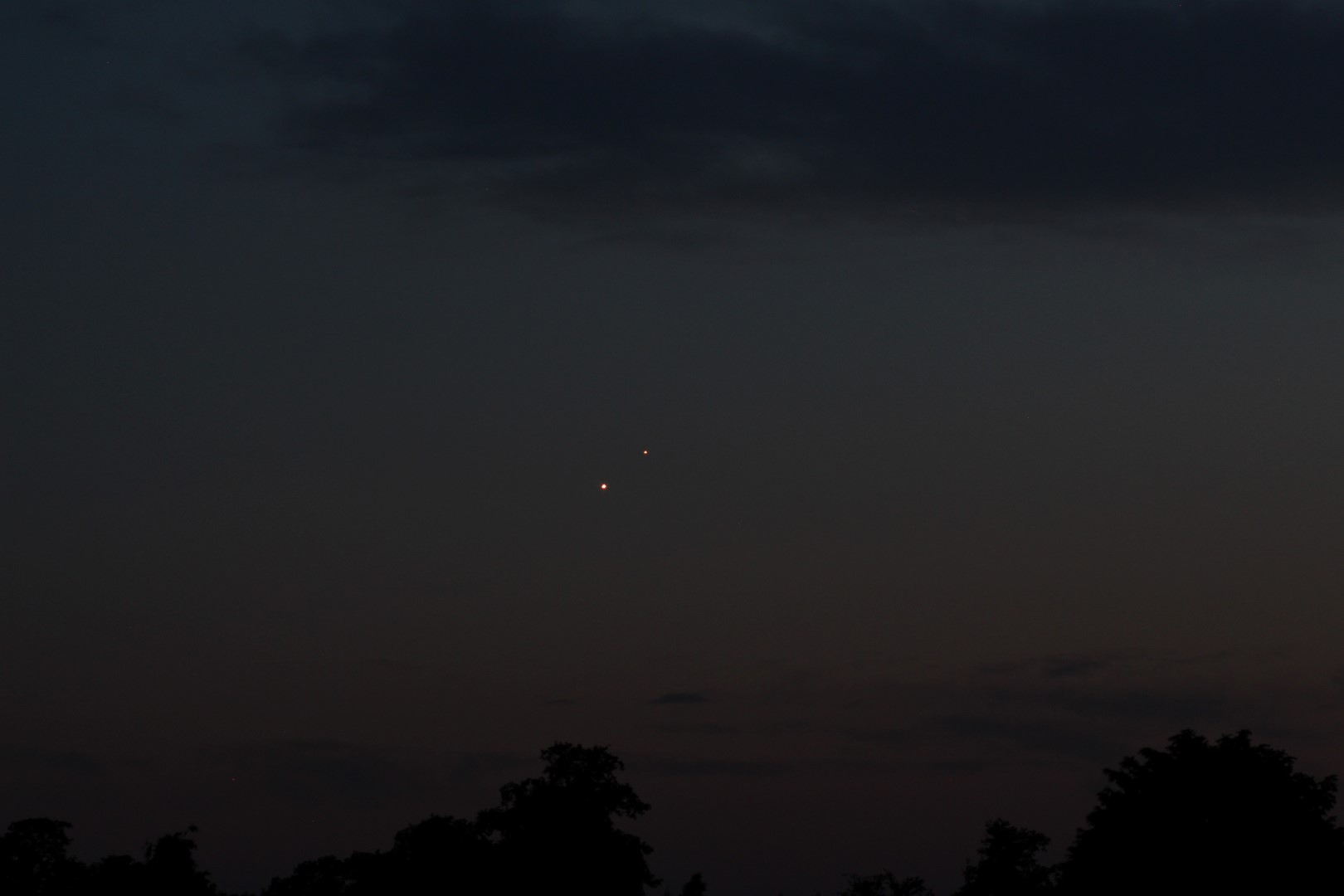
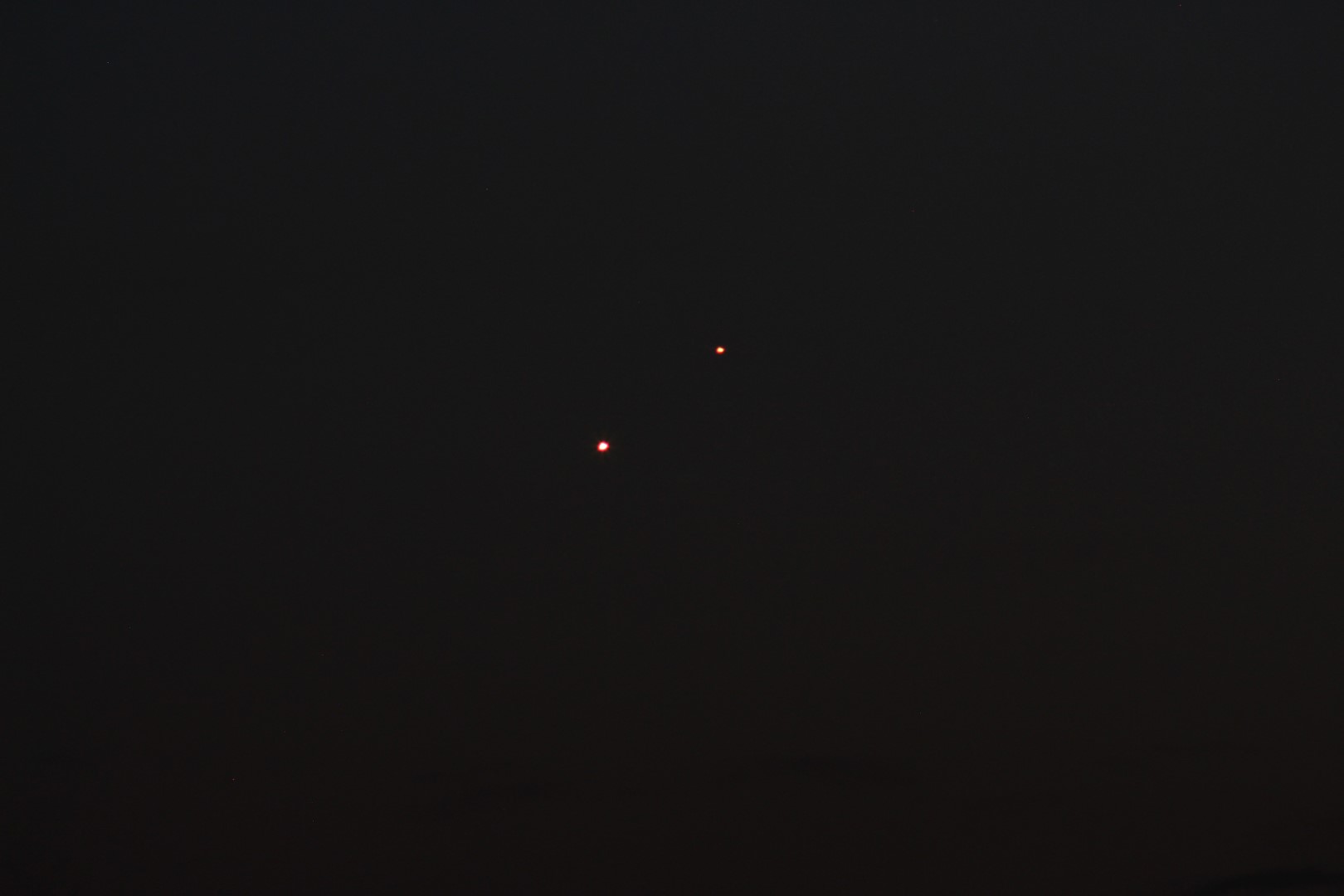
During the latter part of June Venus and Jupiter moved inexorably towards very close conjunction by the end of the month.  Reaching just under ¾ of a degree separation on 30th June and 1st July this is a rare event, which with a clear sky could be easily viewed with the naked eye.  Better still, I set out to photograph the two planet’s journey during the preceding 12 days, thus illustrating Copernicus’ revolutions around the sun of these two heavenly spheres.  Whilst any school child will today understand this process, it is a frightening thought that belief in such a mechanism could once have led to the death penalty!

Obscured from view at Fairvale Observatory as Venus was just 17 ½o above the western horizon, I had to travel to a nearby location which provided a clearer westerly viewpoint of both planets at their low attitude.  In order to obtain a series of comparable images and thus show the real spatial changes occurring up to conjunction, all pictures were taken from exactly the same location.  With my Canon EOS 700D fixed on a photographic tripod I shot a series of images over a 50 minute period using either the 18mm or 55mm telephoto settings, playing with ISO and speed settings as darkness progressed; this was roughly the time the two planets took to disappear below the Earth’s horizon after achieving Civil Darkness.

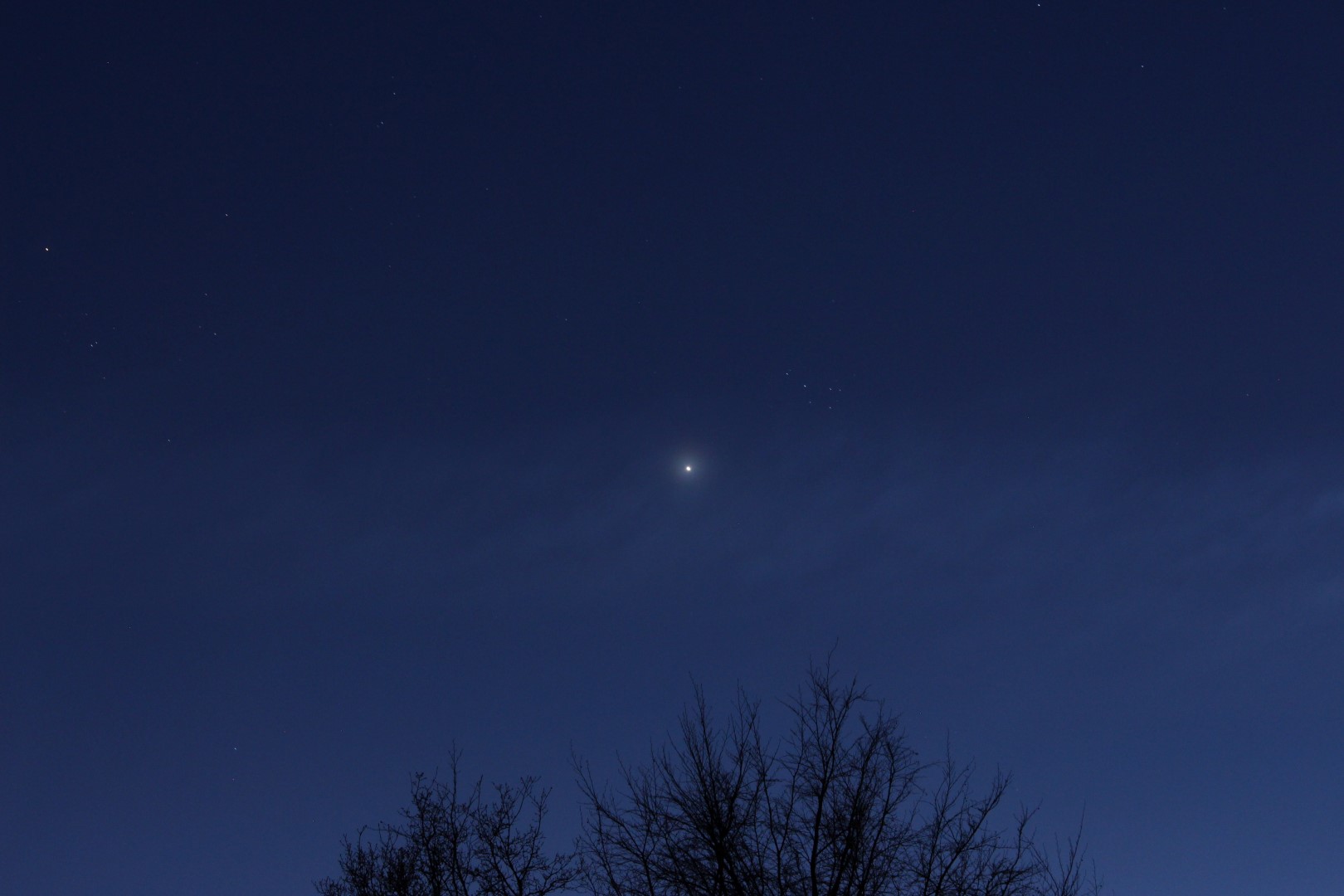
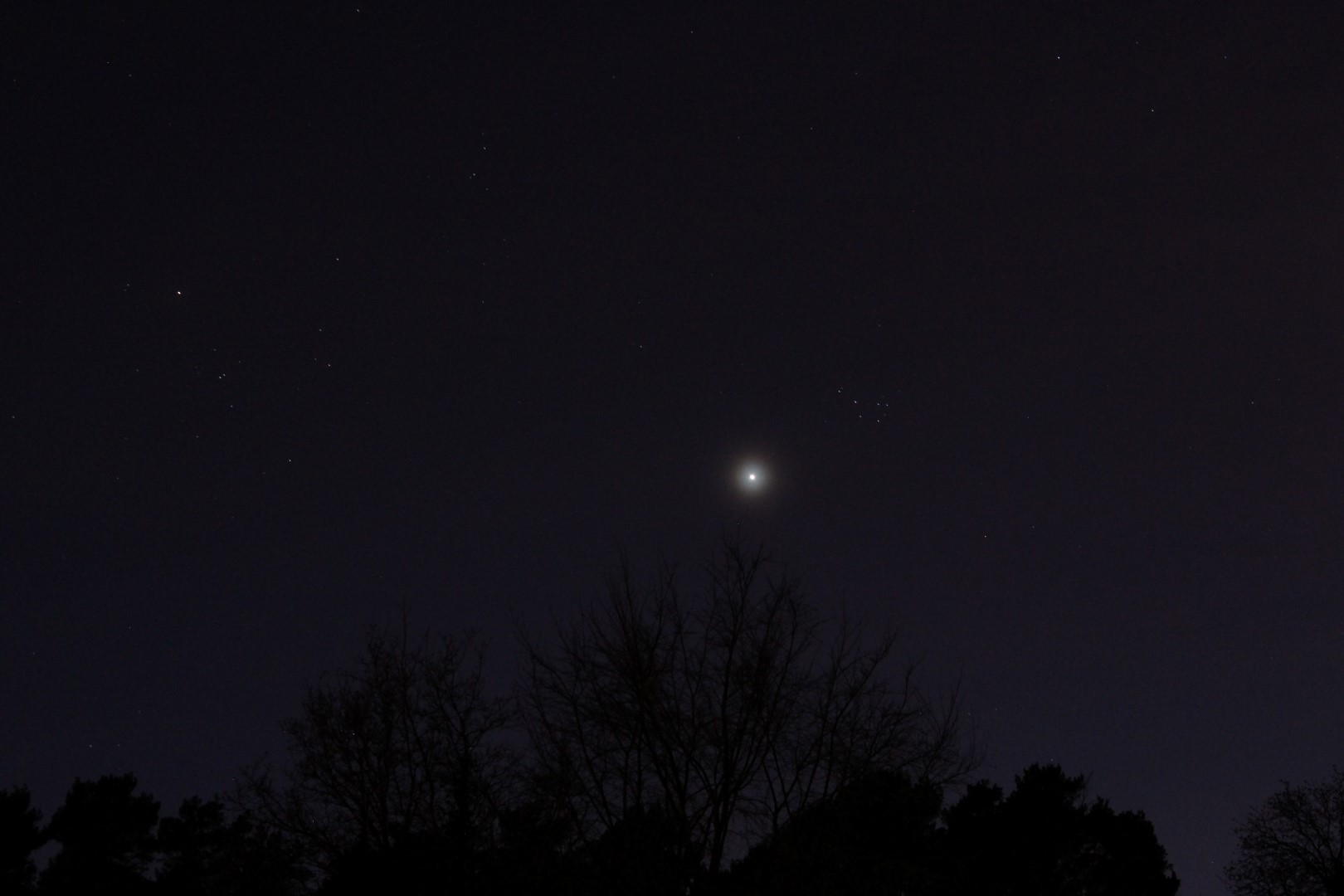
The resulting photographs show Jupiter apparently advancing on Venus before at conjunction ‘passing’ close by on the aforementioned days.  Whilst Jupiter is the third brightest object in the night sky (after the Moon & Venus) and nearly 12 times the size of Venus or 1,400 times by volume, the planet looks very small by comparison to Venus.  This of course is the effect of perspective, with Jupiter currently some 565 million miles distance from Earth, whereas Venus is only 48 million miles; furthermore although at -1.8 the apparent magnitude (brightness) of Jupiter is high, at -4.4 Venus is much brighter.

18th June 2015: Jupiter left, Venus right - trees on the horizon provide a reference scale as the planets move towards each other during the month in subsequent photographs

18th June 2015: Jupiter left, Venus right – trees on the horizon provide a reference scale as the planets move towards each other during the month in subsequent photographs.

25th June 2015 + 7-days

25th June 2015 + 7-days

30th June 2015 + 5 days.  Nothing - dark thunder clouds completely obscure the western sky during conjunction!!!

30th June 2015 + 5 days. Nothing – dark thunder clouds completely obscure the western sky during conjunction!!!

1st July 2015. Bingo = conjunction; though one day later Jupiter has now moved to the right of Venus.

1st July 2015. Bingo = conjunction; though one day later Jupiter has now moved to the right of Venus.

1st July 2015. Close-up of the conjunction using 55mm telephoto setting and ISO 400 - Venus now left & Jupiter right.

1st July 2015. Conjunction close-up using 55mm telephoto setting and ISO 400 – Venus now left & Jupiter right.

Unfortunately I am expecting it will be at least another month before I have recovered sufficiently to consider setting-up Fairvale Observatory again, by which time Astronomical Darkness will thankfully be slowly returning.  In the meantime I’m looking forwards to the next section of The Sleepwalkers which covers Kepler and Galileo and hopefully exciting developments from the New Horizon Pluto fly-by and more from the Rosetta Mission and the re-awakening of its Philea lander.  Given clear skies there should also still be plenty to see without the observatory: The Perseids, Saturn and of course at the centre of our Solar System as determined by Copernicus, the Sun, which will be at aphelion on 6th July – though you wouldn’t think so judging by the high temperatures currently prevailing in the UK and Europe!


Spring’s Playground

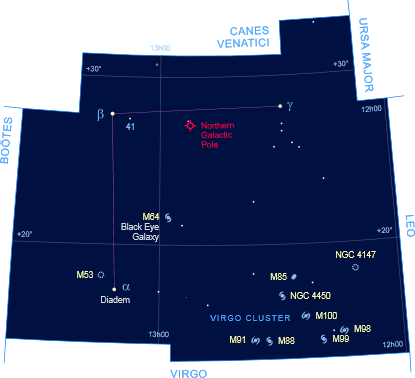
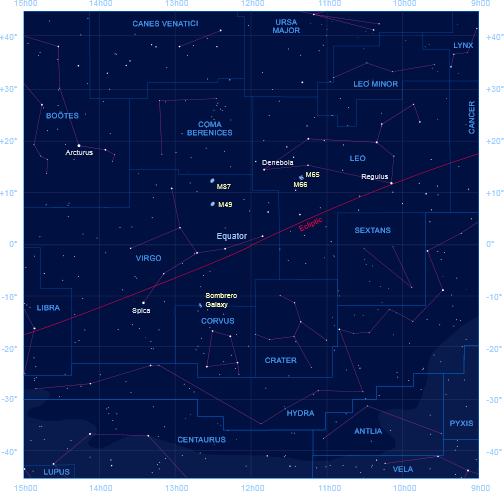
The night sky has been full of surprises for me this Spring, in particular the very extensive presence of galaxies.  Their occurrence has been mostly associated with the constellations of Leo and Virgo but also less well known (to me) Coma Berenices, located between the two aforementioned constellations.  Despite being the 42nd constellation by size and relatively small with few bright stars, Coma Berenices is nonetheless something of a little gem and every bit as interesting as it’s more famous neighbours.

comaberenices

Previously part of the Leo Constellation, Coma Berenices was promoted to a constellation in the 16th Century and named after Queen Berenice II of Egypt; the asterism was previously considered to be the tuft of hair at the end of the lion’s (Leo) tail, which has now become the ‘Queens Hair’.  Though small, Coma Berenices contains eight Messier objects, several globular clusters and is rich in galaxies – including the northern part of the Virgo cluster – also with the North Galactic Pole located within its boundaries.  All-in-all the constellation forms an impressive and interesting part of the sky at this time of the year.

Notable objects are: M53 (NGC 5024), M85 (NGC 4382), M88 (NGC 4501), M91 (NGC 4548), M98 (NGC 4192), M99 (NGC 4254), and M100 (NGC 4321).  Whilst amongst the more famous features of the Coma Berenices is the Black Eye Galaxy (M64), the Needle Galaxy (NGC 4565) and the Coma Cluster of galaxies.

M64, AKA Black Eye Galaxy, Evil Eye Galaxy or the Sleeping Beauty Galaxy is the brightest in Coma Berenices and gets its name from the dark (black) dust band that obscures the stars in its bright core.

M64 Black Eye Galaxy WO GT81 & Canon 550D (modded) + FF | 10 x 180 secs @ ISO 1,600 | 11th April 2015

M64 Black Eye Galaxy
WO GT81 & Canon 550D (modded) + FF | 10 x 180 secs @ ISO 1,600 | 11th April 2015

NGC 4565 or the Needle Eye Galaxy is considered one of the finest examples of an edge-on galaxy, thus producing a slender, needle-like profile. Located 40 million light years away, almost directly above the North Galactic Pol, this giant barred spiral galaxy is about one third larger than the Milky Way and is more luminous that Andromeda.

NGC 4565 Needle Eye Galaxy WO GT81 & Canon 550D (modded) + FF | 10 x 180 secs @ ISO 1,600 | 11th April 2015

NGC 4565 Needle Eye Galaxy
WO GT81 & Canon 550D (modded) + FF | 10 x 180 secs @ ISO 1,600 | 11th April 2015

Some 60 million light-years away, M88 is located in the lower area of Coma Berenices, is over 100,000 light years diameter and one of the brightest galaxies of the Virgo Cluster.


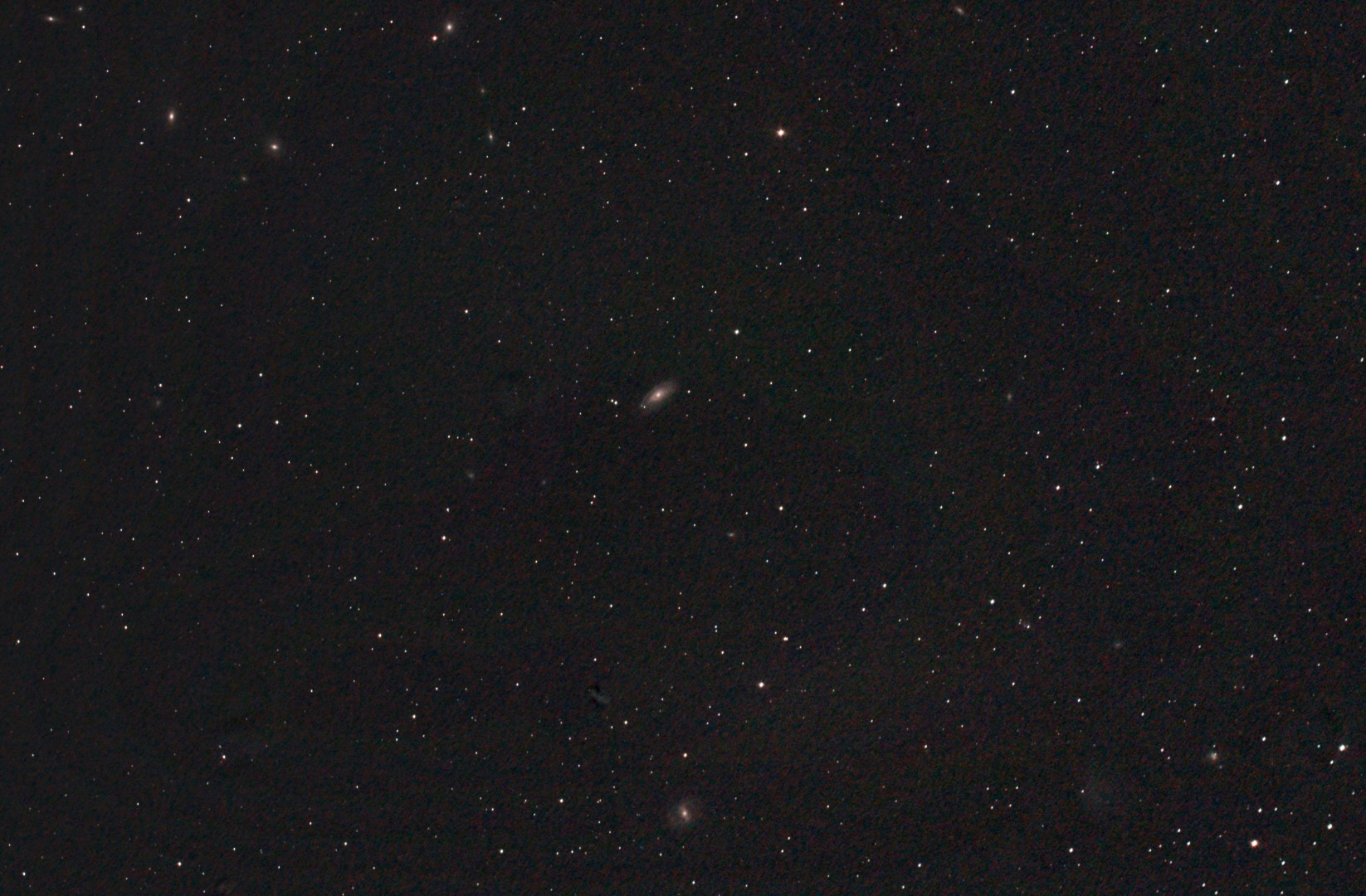
M88 with other galaxies of the Virgo Cluster nearby. WO GT81 + Canon 550D (modded) + FF | 20 x 180 secs @ ISO 1,600 | 25th March 2015

M88 with other galaxies of the Virgo Cluster nearby.
WO GT81 + Canon 550D (modded) + FF | 20 x 180 secs @ ISO 1,600 | 25th March 2015


Apart from a few occasional opportunities since obtaining my new equipment last Summer, I have been yearning for more galaxies to image and have thoroughly enjoyed Spring’s veritable playground of galaxies that have filled the sky in their hundreds and sometimes thousands since February. Notwithstanding, my 81mm refractor though good struggles to obtain the detail of these magnificent, mind-blowing Deep Sky Objects and I can only look forward to the day of owning a larger aperture telescope and have mastered the art of long-exposure tracking, which I am still working on.  In the meantime, I now await the development of the Summer sky and another crack at objects first encountered last year.

All in a spin

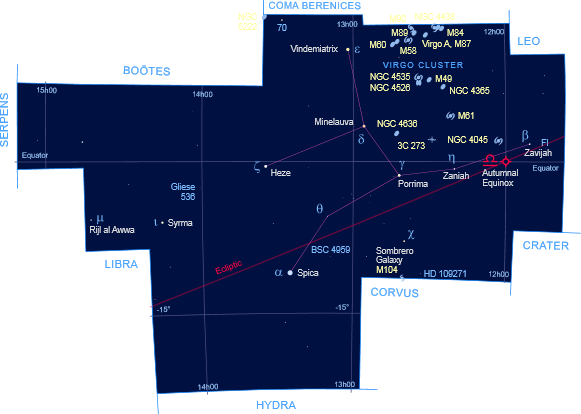
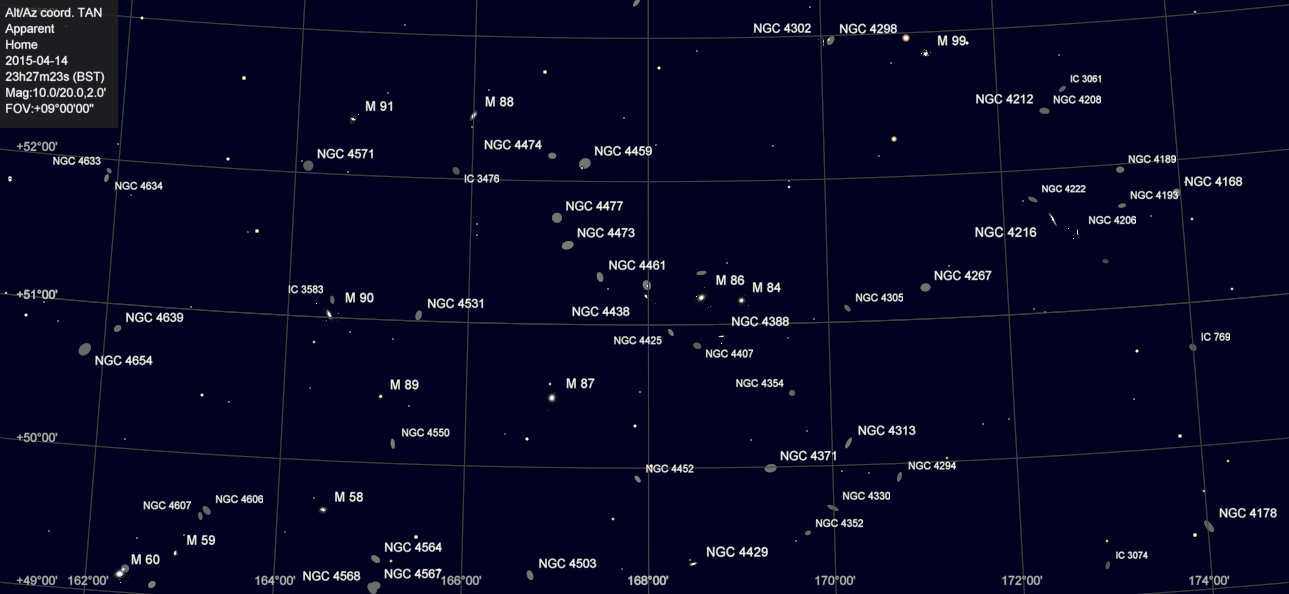
It is now just over six months since acquiring my new astronomy equipment and therefore the first time I have experienced imaging DSO objects of the Spring night sky.  Following the passage of Leo, the main show has now well and truly arrived as the constellations of first Coma Berenices and then Virgo pass overhead, bringing with them a virtual fireworks type display of spectacular stellar features. sky-12h00 comaberenices virgo To DSO fans Spring means one thing – galaxies – too many to comprehend, making it difficult to know where to start.  In my case the detailed beauty of these galaxies will need to wait until I have a substantially larger telescope and can achieve much, much longer exposures.  In the meantime I just marvel at the spectacle and have been trying to image some of the more iconic of these springtime beauties.  Both constellations seem abound with galaxies but two groups are particularly exciting: the Coma Cluster and Virgo Cluster, within which there a large number of fine examples to choose from.

Just the tip of the iceberg: part of the Virgo Cluster that is crowded by galaxies.

Just the tip of the iceberg: part of the Virgo Cluster crowded with thousands of galaxies.

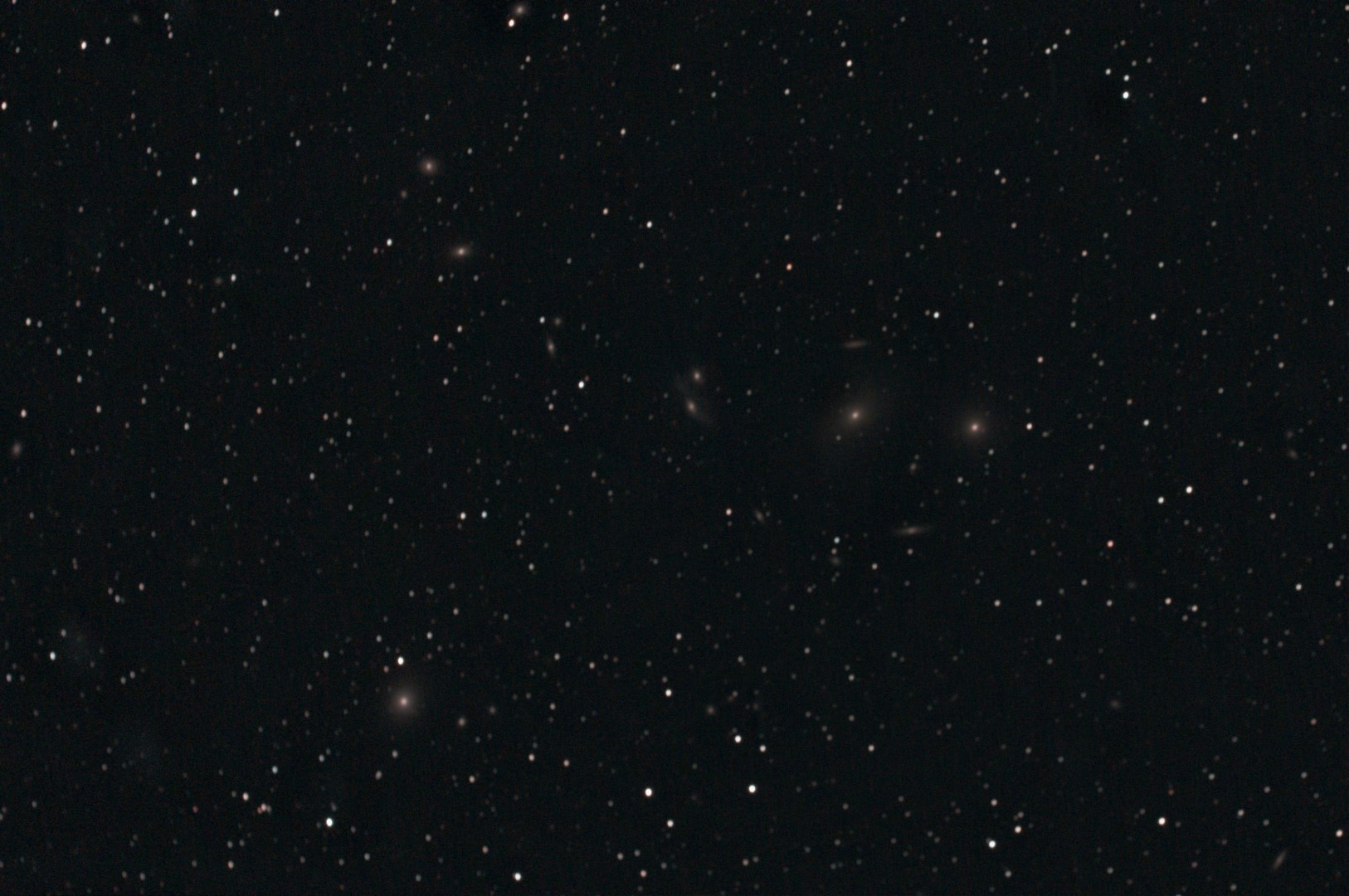
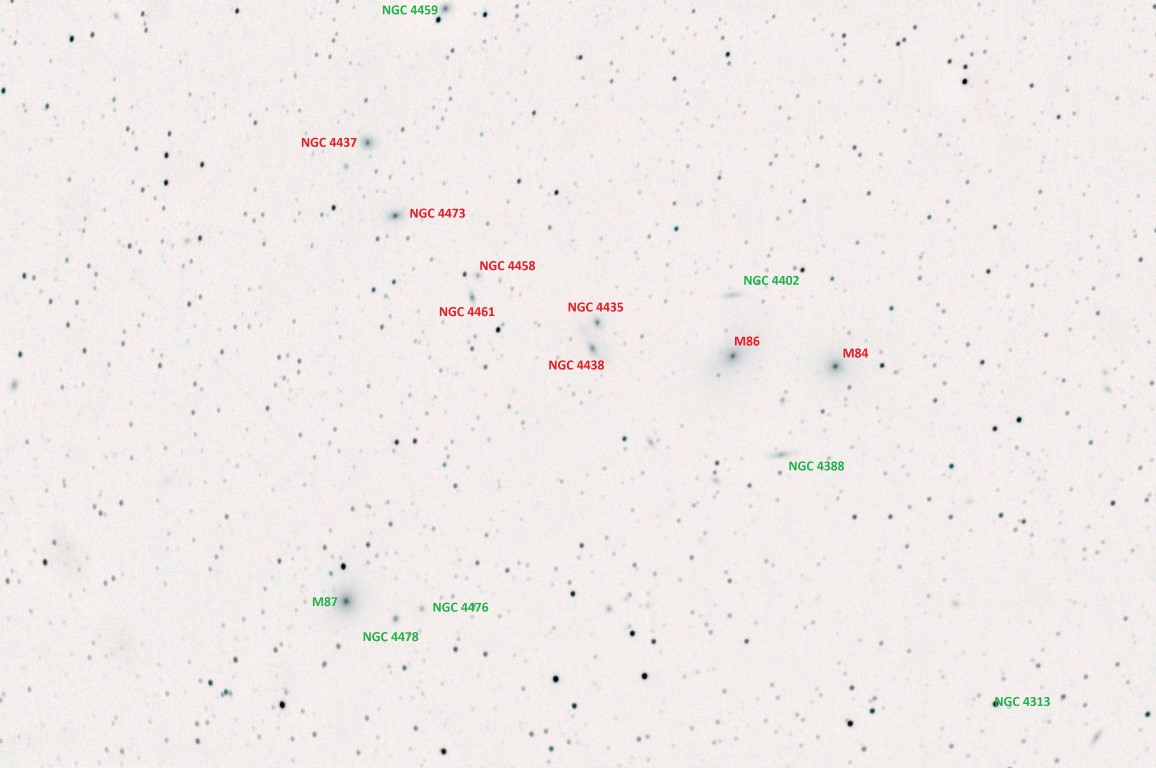
I was first drawn to Markarain’s Chain in the Virgo Cluster, a string of galaxies that form a gentle curve.  Stretched over some x ly the chain includes two Messier Objects – M86 & M84, together with NGC 4438, NGC 4435, NGC 4461, NGC 4458, NGC 4473 & NGC 4477 amongst many others.  In fact this entire part of the sky contains literally thousands of galaxies, of which Markarain’s Chain is just a small but interesting part.

Markarain's Chain WO GT81 & Canon 550D + FF | 15 x 180 secs @ ISO 1,600 | 26th March 2015

Markarian’s Chain
WO GT81 & Canon 550D + FF | 15 x 180 secs @ ISO 1,600 | 26th March 2015

Markarian's Chain (red)  &  some other galaxies (green) inverted.

Markarian’s Chain (red) & some other galaxies (green) – inverted image.

The one that got away

At the end of February the appearance of the Leo constellation marks the end of the winter sky and the transition to Spring.  After previously succeeding in imaging the Leo Triplet and M96 group, there remained one feature I still wanted to capture and, after a long period of difficult seeing conditions, I finally got my chance much later in March.

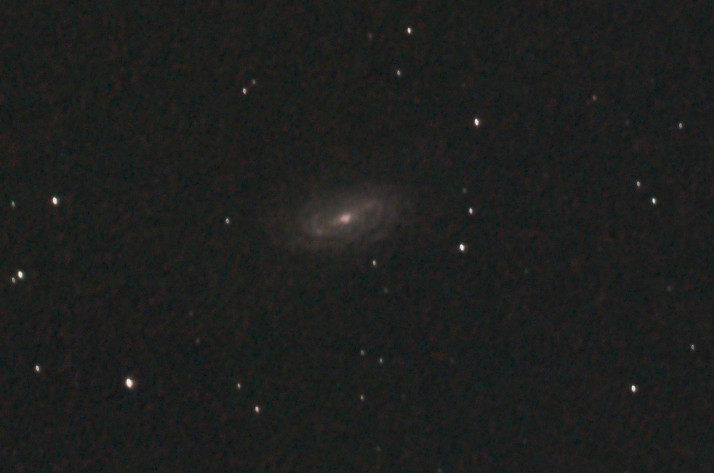
Just west of the lion’s head, south of the star Alterf (Lambda Leonis) is the 10th magnitude barred spiral galaxy NGC 2903, discovered by no less than William Herschel in 1784.  At 12.6’ x 6.0’ (80,000 ly) NGC 2903 is a little smaller than the Milky Way and too small for my equipment to show much detail but it is possible to see the spiral arms and the bright core, which is known to exhibit an exceptional rate of star formation.  However, the galaxy’s main notoriety is that this significant feature should have been overlooked by Messier though, to be fair, he did well with 103 other wonderful objects that I’m still working through.

NGC 2903 WO GT81 + Canon 550D & FF | 10 x 180 sec @ ISO 1,600 | 25th March 2015

NGC 2903
WO GT81 + Canon 550D & FF | 10 x 180 sec @ ISO 1,600 | 25th March 2015

Spring Skies

It’s three weeks since the Spring Equinox and two weeks since moving to British Summer Time (BST or daylight saving, GMT+1 hour), the result is that the night sky starts much later in the evening and is rapidly decreasing in length; it is just about six weeks before Astronomical Darkness completely ceases and will not come back until the end of July.  In addition, through a combination of European pollution and fine sand from the Sahara drifting over South East England this week, otherwise clear skies were badly obscured by the resulting haze.  As a result, since shortly before the full Moon on April 4th astronomy has not been possible – until last night.

The march of time and annual movements of the Solar System inevitably lead to a significant loss of quantity and quality of darkness at this time of the year.

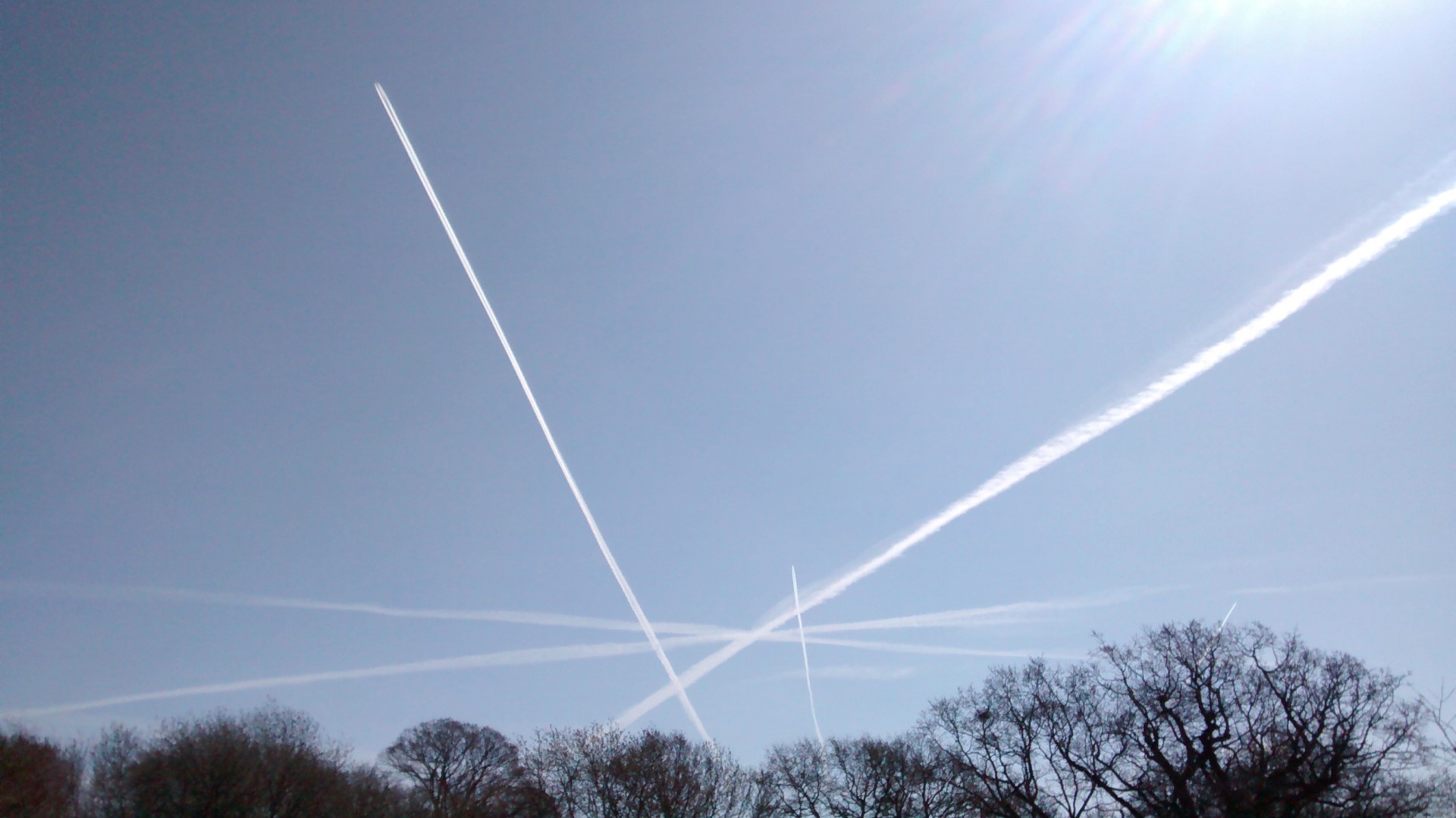
The march of time and annual movements of the Solar System inevitably lead to a significant loss of quantity and quality of darkness at this time of the year.

Taken this morning, the contrails over Fairvale Observatory make a striking picture but, together with other pollution are having a significant impact on seeing conditions here at the moment.

Taken this morning, the contrails over Fairvale Observatory make a striking picture but together with other pollution are having a significant impact on seeing conditions here at the moment.

In the early evening twilight sky for a brief period between sunset and astronomical darkness, at the moment Venus is low on the western horizon.  Last night its apparent position was also close to the Pleiades star cluster, making an attractive widefield photograph.  Furthermore, shortly before Venus moved below the horizon and the sky had nearly reached Civil Darkness, the constellation Taurus also became visible to the south west with the bull’s ‘eye’ star Alderbaran and the v-shaped Hyades star cluster clearly evident.

Venus at sunset last night.

Venus at sunset last night: the Pleiades can only just be seen at 2-o’clock to Venus with Taurus on the far left.

Twenty minutes after sunset shortly before reaching Civil Darkness, the Pleiades and Taurus constellation are now quite clear.

Twenty minutes after sunset shortly before reaching Civil Darkness, the Pleiades and Taurus constellation are now quite clear.

Such a picture is a reminder that it is important to consider photography other than telescopic based planetary and deep sky imaging, especially as viewing and imaging conditions become more limited over the forthcoming Summer period.

Alternative Eclipse

With astronomy preparation is everything and so with the prospect of a solar eclipse here today I have been getting ready during the past week.  I looked at and imaged the Sun using my Skywatcher 150PL and a bespoke solar filter last year.  Whilst I was pleased with the results, such is the field-of-view of the 150PL that the resulting image only covers sections of the Sun and a full picture needs to be created using a mosaic; the upside of this is high magnification and therefore better detail of the Sun’s surface.  With the prospect of an eclipse I wanted to try and image the entire spectacle this time and therefore constructed a new solar filter to fit my William Optics GT81 refractor telescope, which has a wider field-of-view and all together better optics that would comfortably image the entire Sun.

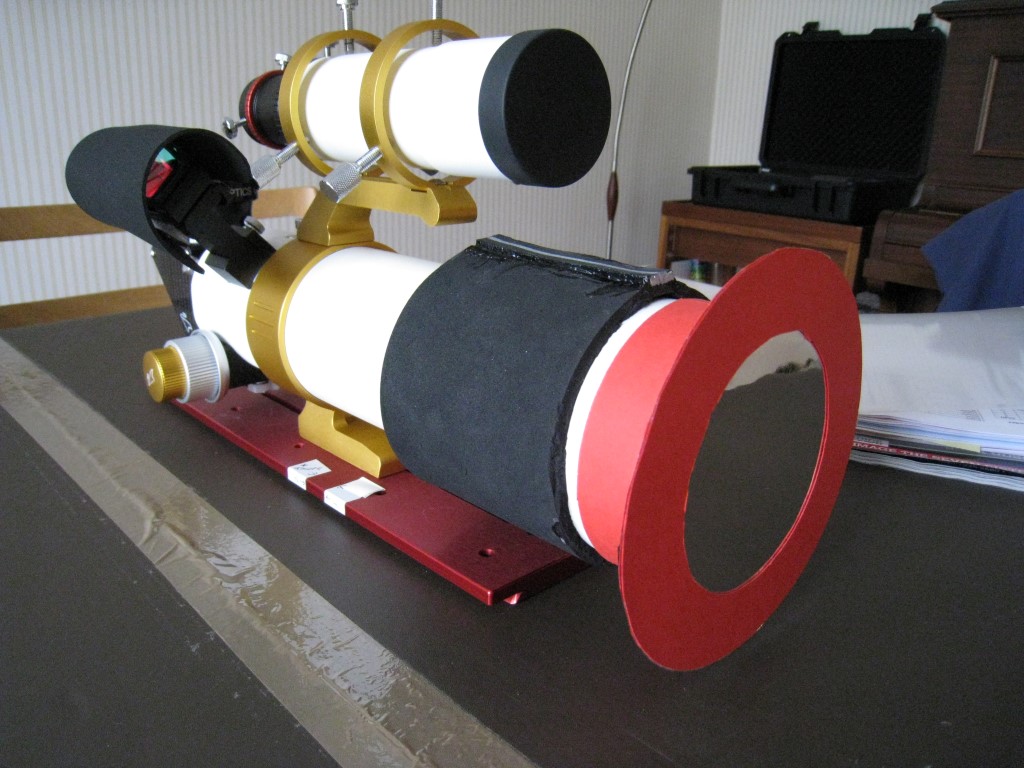
Using Baader AstroSolar ND 5.00 safety film and some cardboard, I constructed a tube which fits exactly over the end of the telescope, with the film across the front but not stretched.  By restricting wavelengths the film removes about 99% of the Sun’s light and allows safe viewing but is very difficult to work with and must be treated carefully to ensure it is not damaged; birds can be attracted to the film’s silver finish and may peck holes in it when fitted, it is therefore important to be aware of such threats and, in my case, I also constructed a cardboard slip to cover the filter when the telescope is left unattended during use.  It is also very important to either block off or remove the guidescope and / or finder from the telescope, which without a filter could otherwise also focus on the Sun and either burn out or even worse, cause personal injury.

Home-made solar filter on the William Optics GT81.  When used I blocked-off the red dot finder and removed the finder scope in order to attach another home-made Sun finder.

Home-made solar filter on the William Optics GT81. When used I blocked-off the red dot finder and removed the finder scope in order to attach another home-made Sun finder.

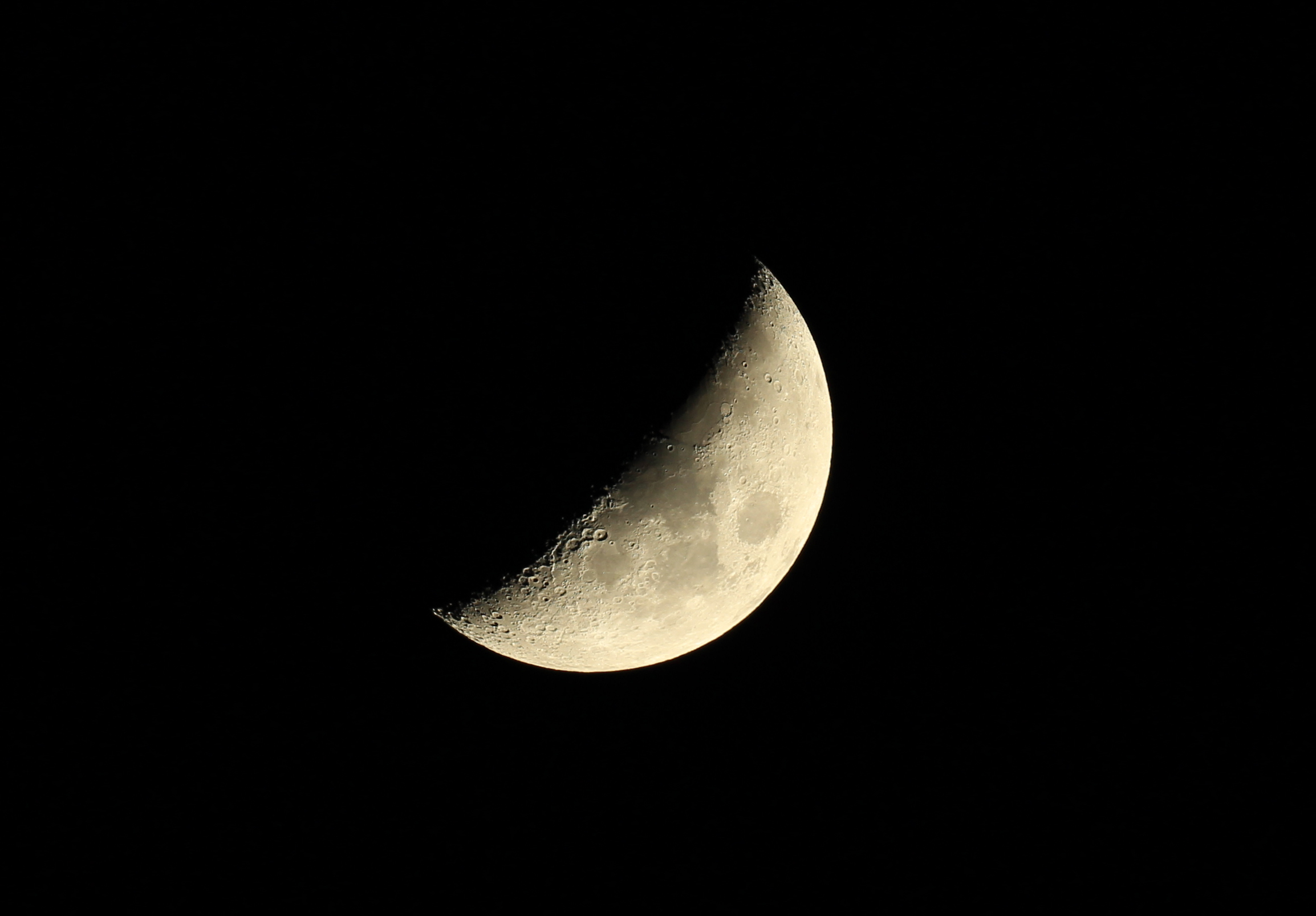
The Players: having constructed the filter and with a clear sky on Wednesday I therefore tried it out and furthermore experimented with exposure settings, with good results.  Earlier in the month I had captured an excellent image of the quarter Moon too.  So I was ready to go, right?  Wrong!

The Moon @ First Quarter  | WO GT81 & Canon 700D + FF| 1/100th sec @ ISO 100 | 24th February 2015

The Moon @ First Quarter | WO GT81 & Canon 700D + FF| 1/100th sec @ ISO 100 | 24th February 2015

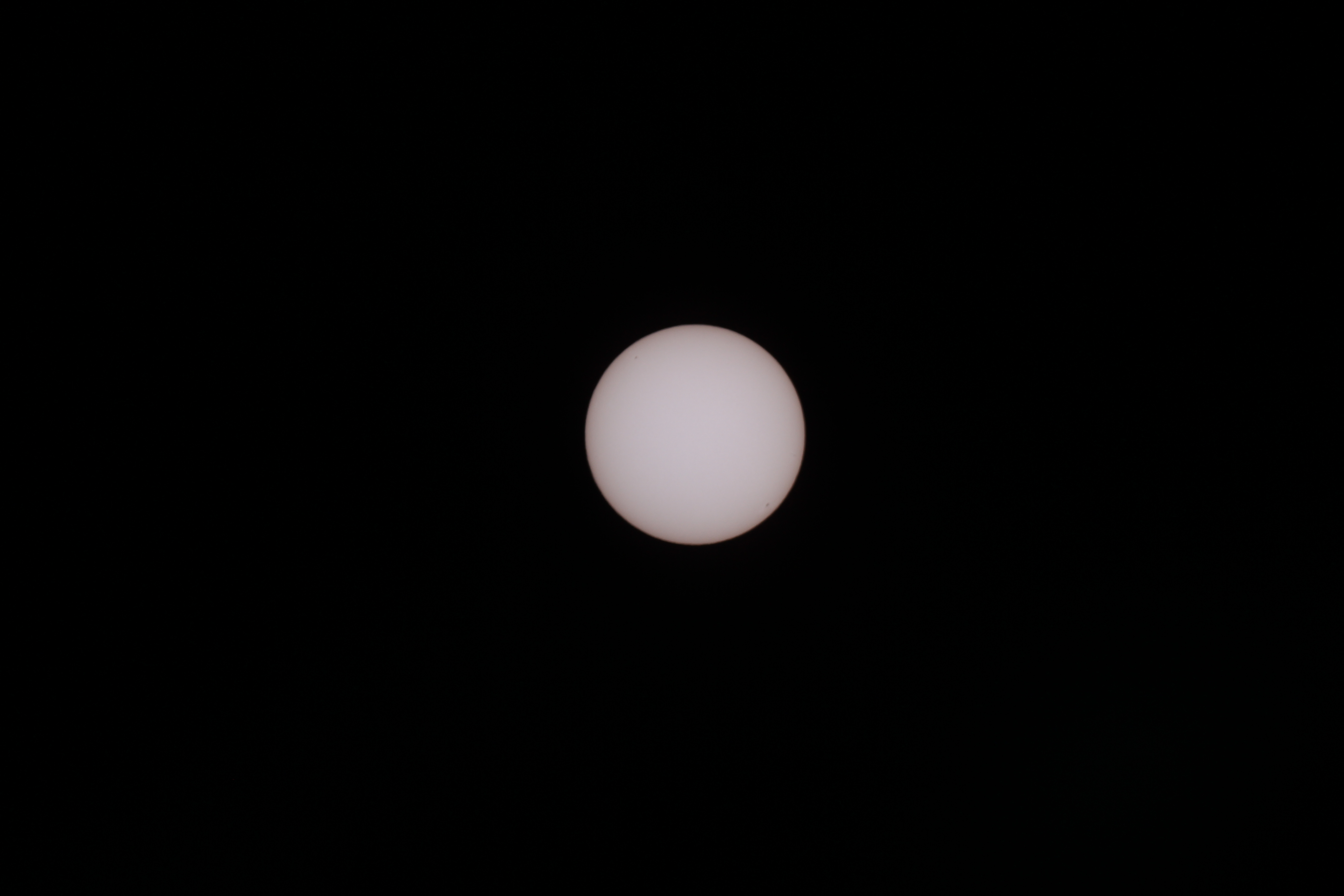
GT81 + Canon 700D & Baader ND 5.00 Solar Filter 1/500th sec @ ISO 100 | 18th March 2015

GT81 + Canon 700D & Baader ND 5.00 Solar Filter
1/500th sec @ ISO 100 | 18th March 2015

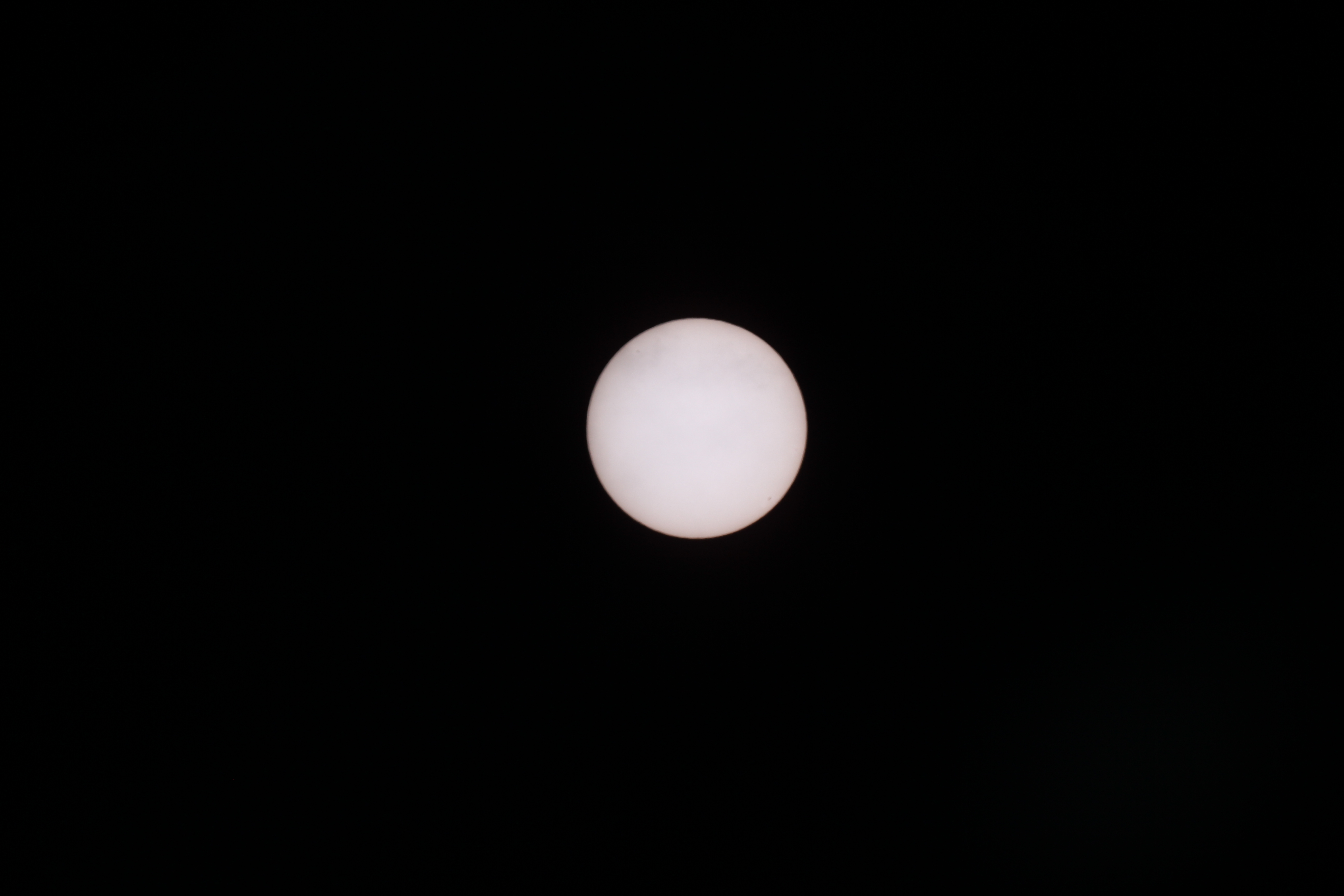
The Sun 1/20th Sec @ ISO 100 | 18th March 2015

The Sun
1/250th Sec @ ISO 100 | 18th March 2015

Despite my best planning it was cloudy here at Fairvale Observatory this morning, something that has been proving a major obstacle to any astronomy all this month.  Notwithstanding, I have instead experienced an ‘alternative eclipse’.

First, I recorded the change in light during the eclipse.  Though ‘only’ an 85% eclipse here the deterioration in light was very noticeable as well as other features: it got colder and the birds became quieter.

20th March 2015 Eclipse - the sky just after contact at 9.50 a.m.

20th March 2015 Eclipse – the sky at 9.50 a.m. sky just after contact.

Contact + 15 minutes

Contact + 15 minutes

At maximum 85% eclipse.

At maximum 85% eclipse, 9.30 a.m.

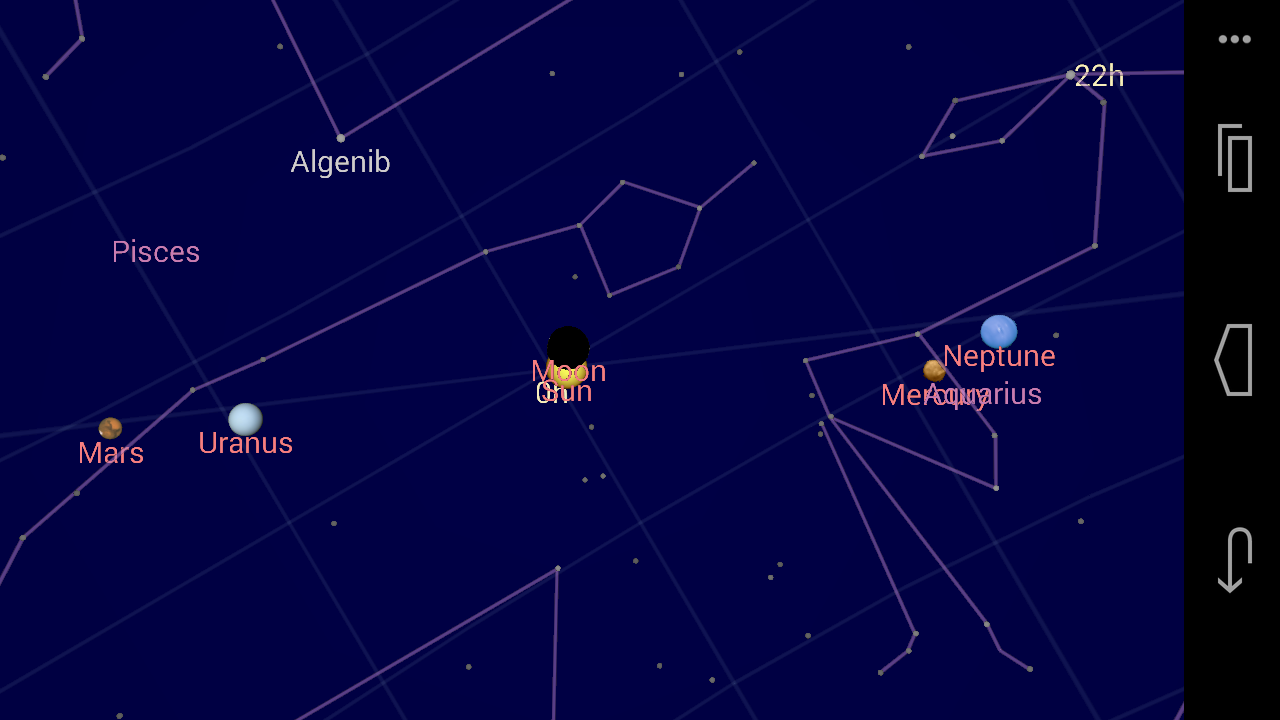
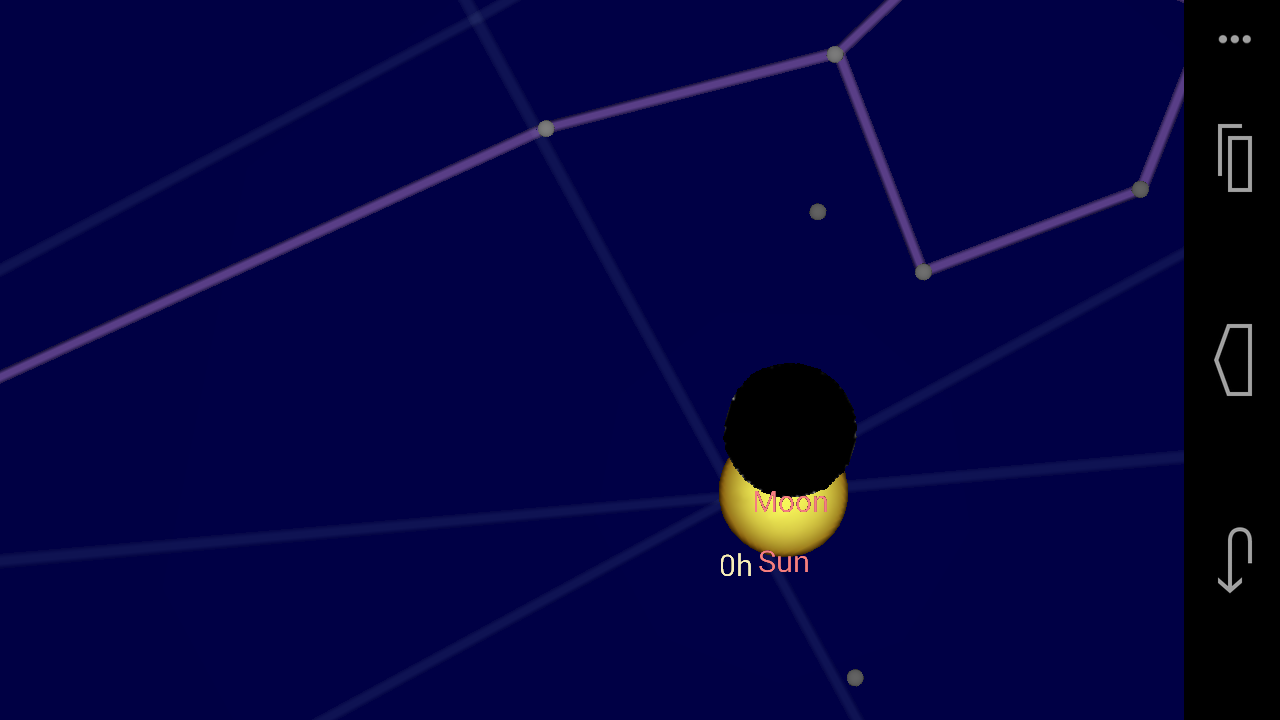
Next I ‘looked’ at the progress of the eclipse using Google Sky, which seemed to be very accurate.  It was fascinating to note that four other planets were lined up alongside the Sun at the same time, though of course would not be visible in the daytime sky even if it had been clear.

Eclipse as 'seen' by Google Sky

Eclipse as ‘seen’ by Google Sky

Google Sky screenshot.

Google Sky screenshot.

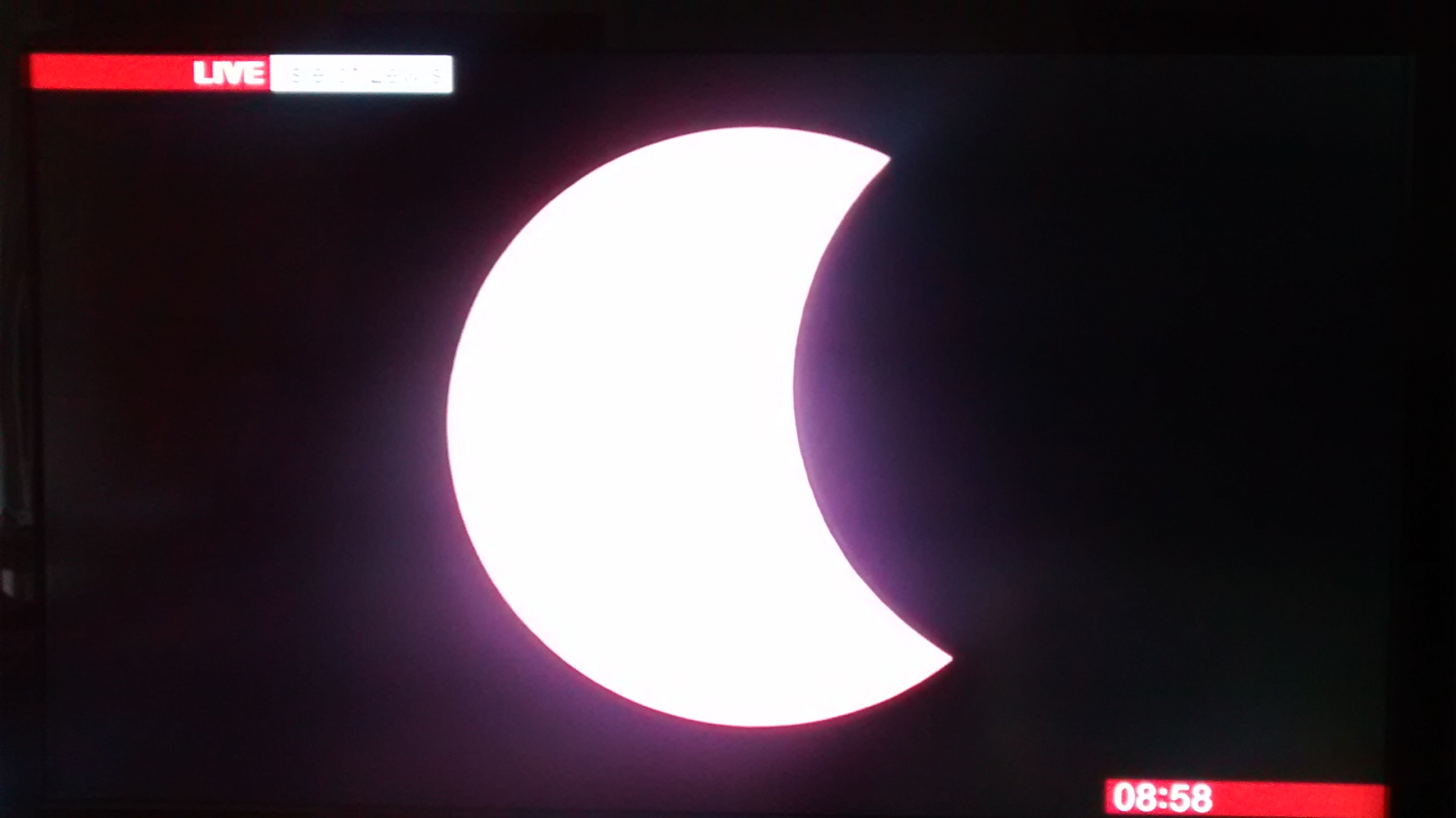
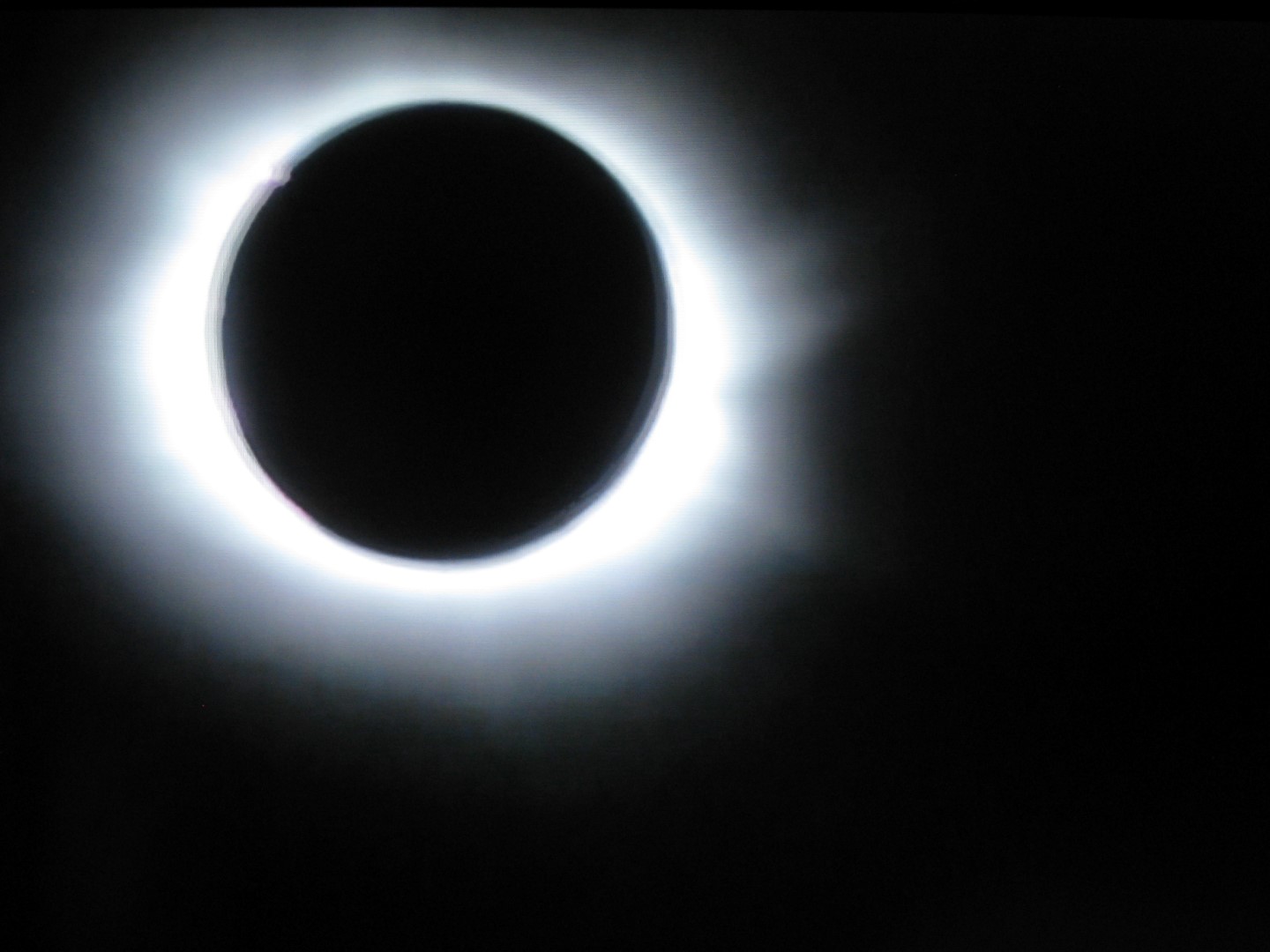
In between my own real time experience, I watched the BBC coverage of the event which provided some excellent images from the UK and especially from the air off the Faroe Islands where totality occurred.

Uk eclipse courtesy if the BBC.

UK eclipse courtesy if the BBC.

Eclipse totality at 28,000 ft from the Faroe Islands.

Eclipse totality at 28,000 ft from the Faroe Islands.

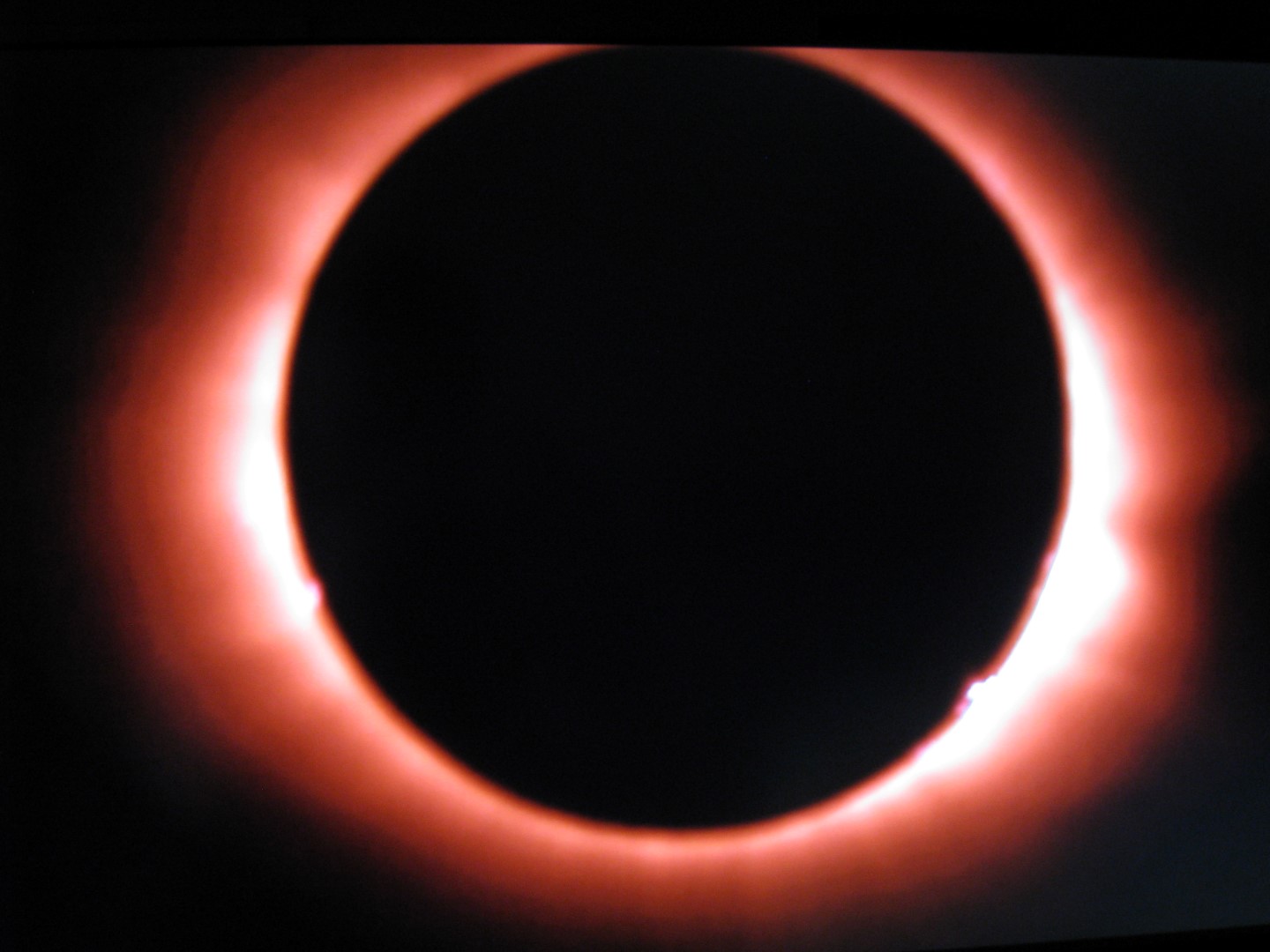
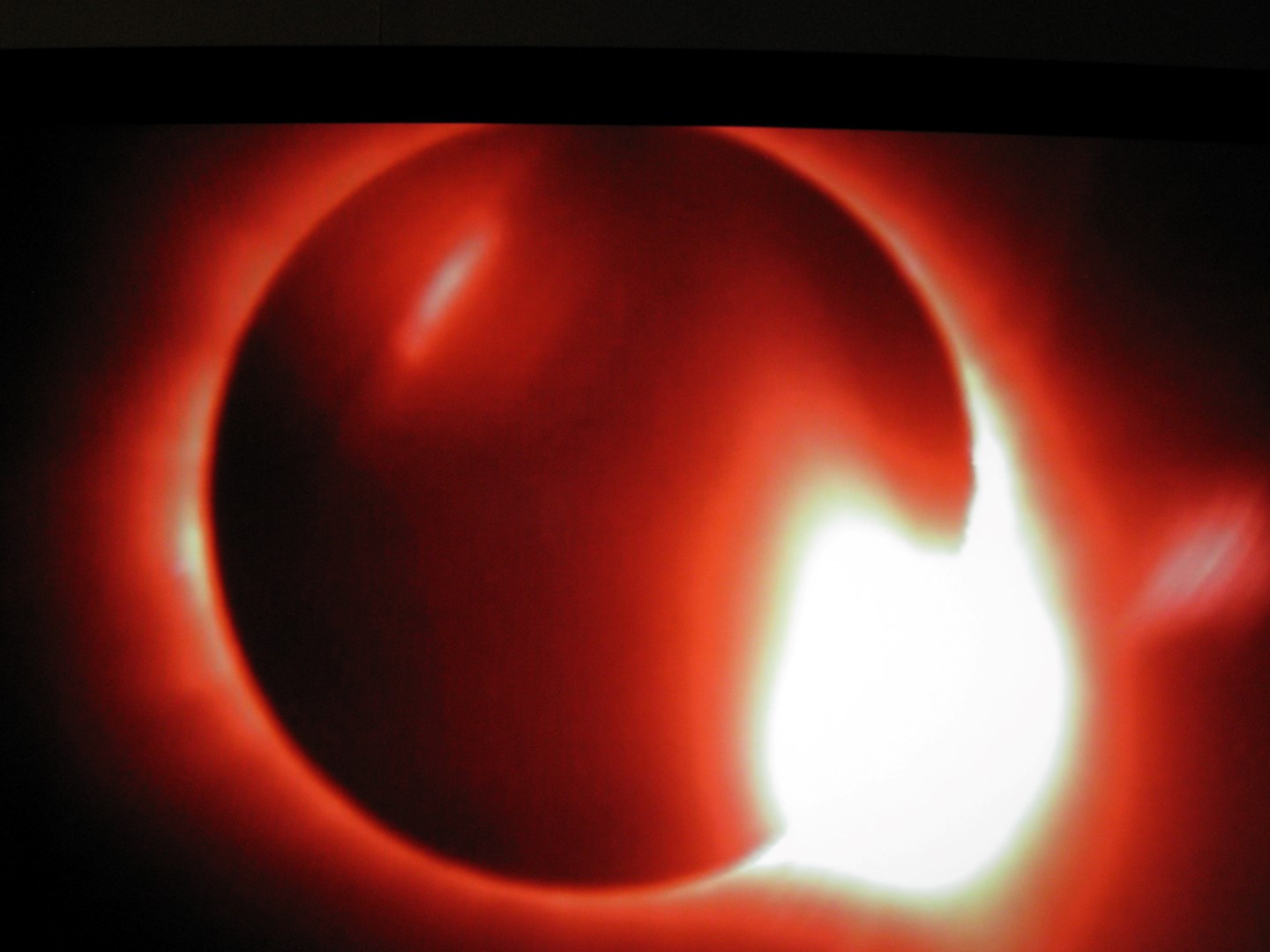
Baily's beads in hydrogen-alpha image. Faroe Islands March 2015.

Baily’s beads hydrogen-alpha image.   Faroe Islands March 2015.

Diamond Ring hydrogen-alpha image. Faroe Islands March 2015

Diamond Ring hydrogen-alpha image.
Faroe Islands March 2015

An eclipse is astronomy in action and inevitably I’m disappointed not to see and image the actual eclipse here but my alternative eclipse was still interesting and good fun. I was lucky to witness a total eclipse in France in August 1999 so that’s a 50% success rate so far.  The next partial eclipse in the UK will be on 12th August 2026 so I have time to prepare but, of course, will be unable to do anything about the weather again.  Fingers crossed then I suppose!

Another perspective.  Eclipse 2006, taken form the ISS the Moon's shadow passing over Turkey.

Another perspective. Eclipse 2006, taken from the ISS the Moon’s shadow passes over Turkey at 2,000 kph.

Moons

I am currently halfway through an Open University course on moons. Truth be told, after a less than satisfactory OU course on Orion (actually more a beginner’s guide to the Universe) recently, I had not intended to enrol for the moons course but at the last moment signed up.  In comparison, the experience this time has been outstanding: the quality, content and organisation of the course has been exceptional and moons have turned out to be much more interesting than I had expected.

ou_moon_art_2108_exploring_what_makes_a_moon

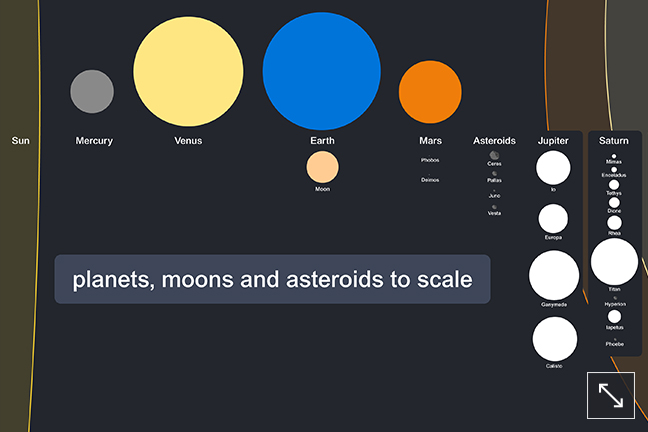
The combination of space travel and much improved earth-based astronomy, has recently led to an explosion in our knowledge of and about moons.  As a result there are now at least 176 known moons in the Solar System, with every possibility that this will continue to grow.  I have been surprised to learn that the largest moons even exceed the size of some planets.  Numerous space missions have provided amazing close-up pictures which show that many of these moons are far more interesting than previously thought, often with the presence of liquid which may even host life and in some cases volcanic activity is evident, including so-called cryo-volcanism – which is a new term to me.
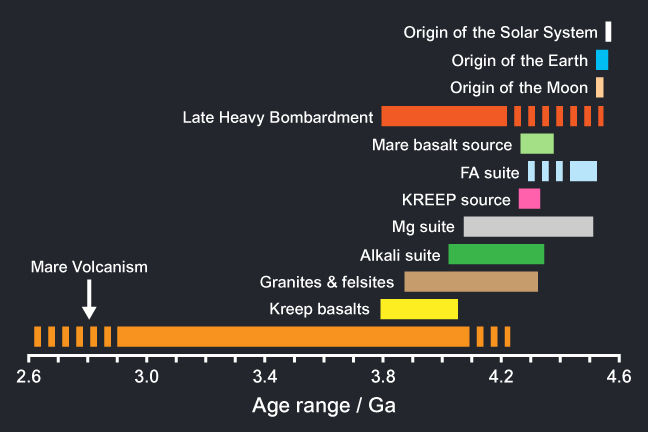
Geological history of the Moon

Geological History of the Moon

Since starting DSO imaging in August I have somewhat neglected the Solar System but as last week we eventually started to study The Moon itself, it seemed like a good time to image our nearest neighbour once again.  Being just one day before reaching First Quarter, the detail along the Lunar terminator remains very good and I believe has made a beautiful picture.  With the Moon now in its waxing gibbous phase, DSO photography will be ruled out for at least another week, so it’s time to catch up with other matters of astronomy and the like and just enjoy our Moon, clear skies permitting.

IMG_4746crop

The Moon | WO GT81 + Canon 700D & FF | 1/100th sec @ ISO 100 | 24th February 2014

Big Cat Hunting

As we move closer to the Spring Equinox, the winter sky is already rapidly disappearing towards the western horizon and I have been left wondering what next?  I was concerned that after successfully imaging the Orion constellation and all its spectacular parts over the past four months, it would be a difficult act to follow, I needn’t have worried.  Already starting to appear from late-evening, a series of constellations are about to proceed across the night sky over the next few months which will provide an equally spectacular but different kind of show to Orion.

sky-spring

First of these is the constellation Leo, the celestial Lion, which it turns out is packed with galaxies and double stars.  The asterism of Leo is in the shape of a lion which, being dominated by various groups of galaxies holds much imaging promise, with my 81mm telescope providing an ideal field of view.
leo

Located behind Leo’s rear ‘leg’ is the best of these, known as the Leo Triplet or M66 Group, which consists of three galaxies: M66, M65 and NGC 3628.  Evidence suggests that these are linked in a gravitational dance with each other which, in the case of NGC 3628, has created a disturbed, unbarred galaxy with a faint 300,000 light-year star to the east.  M66 is an intermediate spiral galaxy, with a diameter of about 95,000 light-years and is the largest and brightest of the trio.  M65 is a smaller, barred intermediate galaxy.  The field of view has also captured other galaxies as well as the orange giant star 73 N Leonis.  All-in-all a wonderful image which I hope to return to in order to achieve even better detail using longer exposures, guiding and hopefully a larger telescope one day.

Leo Triplet: M66, M65 & NGC 3628 WO GT81 + modded Canon 550D & FF | 10 x 180 secs + calibration @ ISO1,600 | 21st February 2015

Leo Triplet: M66, M65 & NGC 3628
WO GT81 + modded Canon 550D & FF | 10 x 180 secs + calibration @ ISO1,600 | 21st February 2015

To the west of the Leo Triplet, in the direction of Leo’s dominant star Regulus, is another triple collection of galaxies called the M96 Group.  While a little fainter that the Leo Triplet, the M96 Group nonetheless makes a wonderful image accompanied, as it is, by numerous other galaxies and stars.  Of the latter, the giant orange 52 K Leonis star dominates the scene.

M69 Group: M105, NGC 3373 & NGC 3371 + other galaxies and orange giant 52 K Leonis WO GT81 + modded Canin 550D & FF | 10 x 180 secs & calibration @ ISO 1,600 @ 21st February 2015

M96 Group: M95, M96, M105, NGC 3373 & NGC 3371 + other galaxies and orange giant 52 K Leonis
WO GT81 + modded Canon 550D & FF | 10 x 180 secs & calibration @ ISO 1,600 @ 21st February 2015

It’s fair to say that the results of my big cat hunting around the constellation Leo have been a pleasant and successful surprise, with further promise still to come as Spring develops.  Watch this space!

Inverting the M96 Group image helps show better the galaxies and other significant features.

Inverting the M96 Group image helps show better the galaxies and other significant features.

Two’s Company

During the late 20th Century planetary relationships took on a new meaning as a metaphor for the difference between men and women, following the publication of John Gray’s book Men Are From Mars, Women Are From Venus.  Making a beautiful view at the moment, Venus is currently flirting with Mars in the early evening sky, for a very brief period low on the western horizon just after sunset. Its appulse with Mars can be easily seen with the naked eye but the view from Fairvale Observatory lasts only about 20 minutes and therefore requires good seeing conditions and quick action to get a picture.

At the weekend the view was even better, with the crescent of the New Moon adjacent to the field of view of Venus and Mars at the same time but my camera was not ready. Ideally I would like to image its apparition with a telescope but having to act quickly, last night I managed to get a quick photograph of the two planets using a DSLR camera and a 600 mm telephoto lens; the International Space Station flew by shortly afterwards but unfortunately too late get a photograph combining all three, timing is everything.

Later in the month the apparition of Venus will also include Uranus, making an even better show but will definitely not be a case of two’s company, three’s a crowd!

Picture saved with settings embedded.

Shining brilliant white, magnitude -3.9 Venus – top left & the smaller, faint magnitude +1.3, red planet of Mars – bottom right

STOP PRESS!

Another good evening sky this evening and tonight I manged to set-up the telescope to take this beautiful picture of Venus and Mars:

IMG_4731crop (Large)