All in a spin

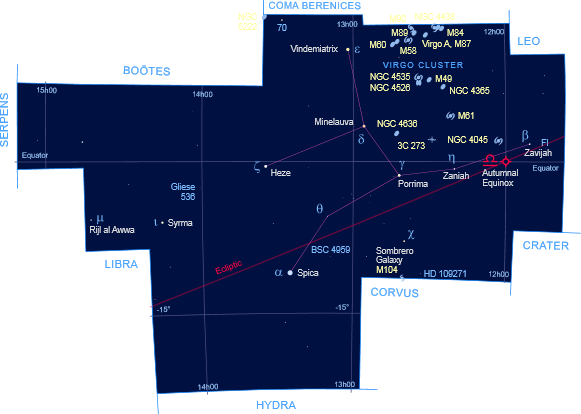
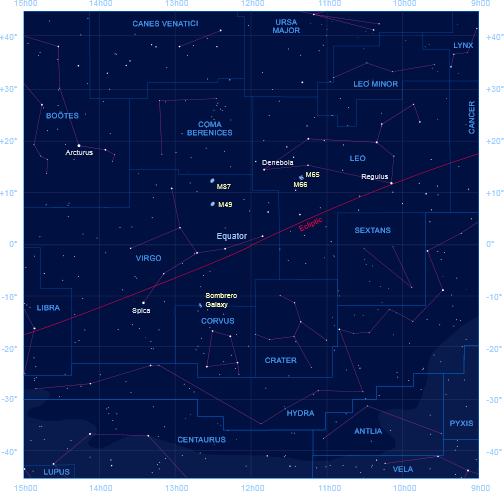
It is now just over six months since acquiring my new astronomy equipment and therefore the first time I have experienced imaging DSO objects of the Spring night sky.  Following the passage of Leo, the main show has now well and truly arrived as the constellations of first Coma Berenices and then Virgo pass overhead, bringing with them a virtual fireworks type display of spectacular stellar features. sky-12h00 comaberenices virgo To DSO fans Spring means one thing – galaxies – too many to comprehend, making it difficult to know where to start.  In my case the detailed beauty of these galaxies will need to wait until I have a substantially larger telescope and can achieve much, much longer exposures.  In the meantime I just marvel at the spectacle and have been trying to image some of the more iconic of these springtime beauties.  Both constellations seem abound with galaxies but two groups are particularly exciting: the Coma Cluster and Virgo Cluster, within which there a large number of fine examples to choose from.
Just the tip of the iceberg: part of the Virgo Cluster that is crowded by galaxies.

Just the tip of the iceberg: part of the Virgo Cluster crowded with thousands of galaxies.

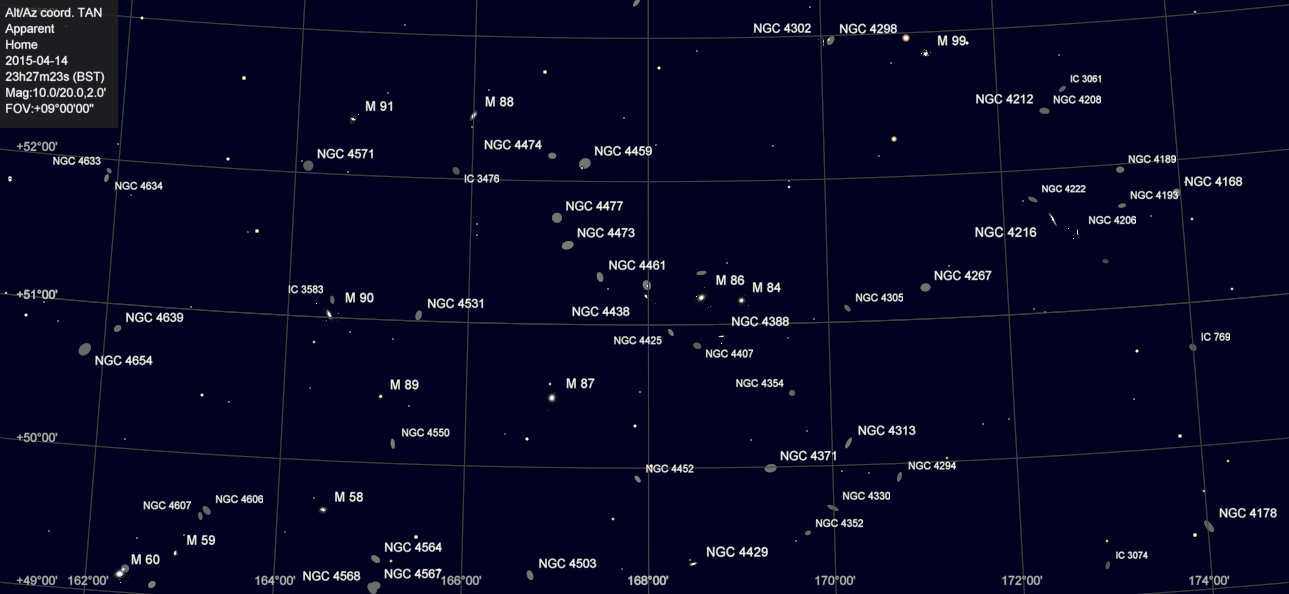
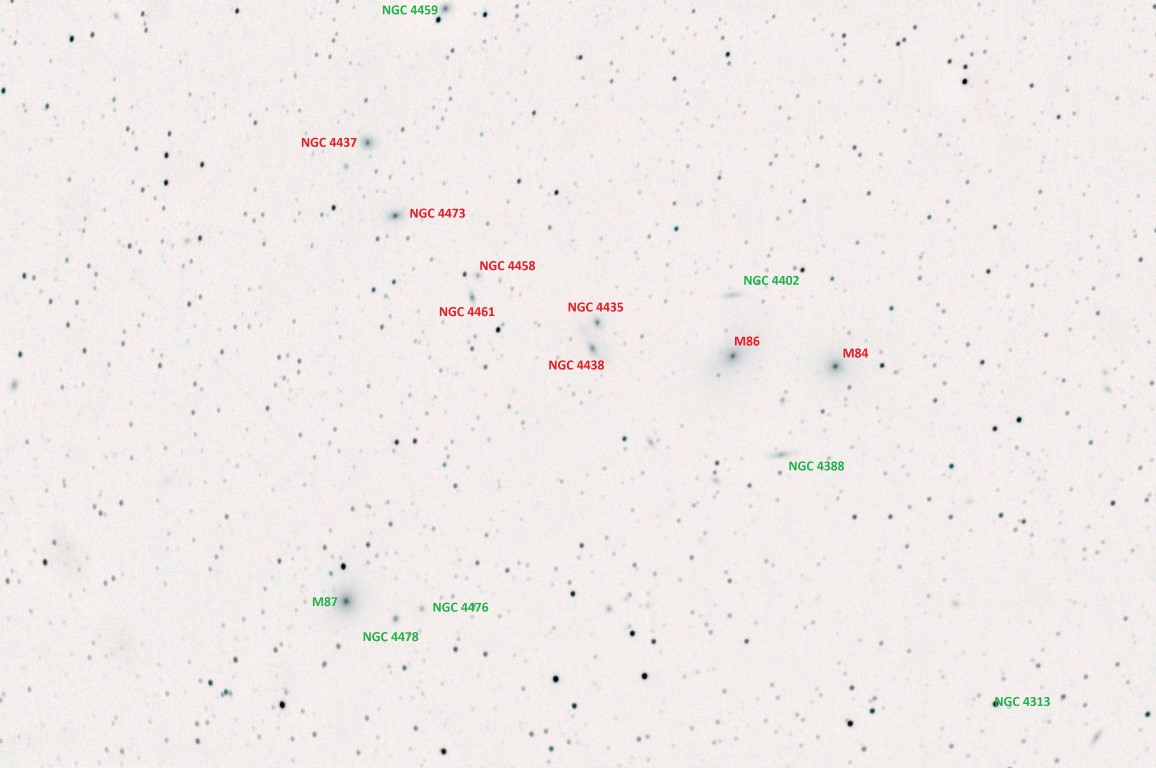
I was first drawn to Markarain’s Chain in the Virgo Cluster, a string of galaxies that form a gentle curve.  Stretched over some x ly the chain includes two Messier Objects – M86 & M84, together with NGC 4438, NGC 4435, NGC 4461, NGC 4458, NGC 4473 & NGC 4477 amongst many others.  In fact this entire part of the sky contains literally thousands of galaxies, of which Markarain’s Chain is just a small but interesting part.
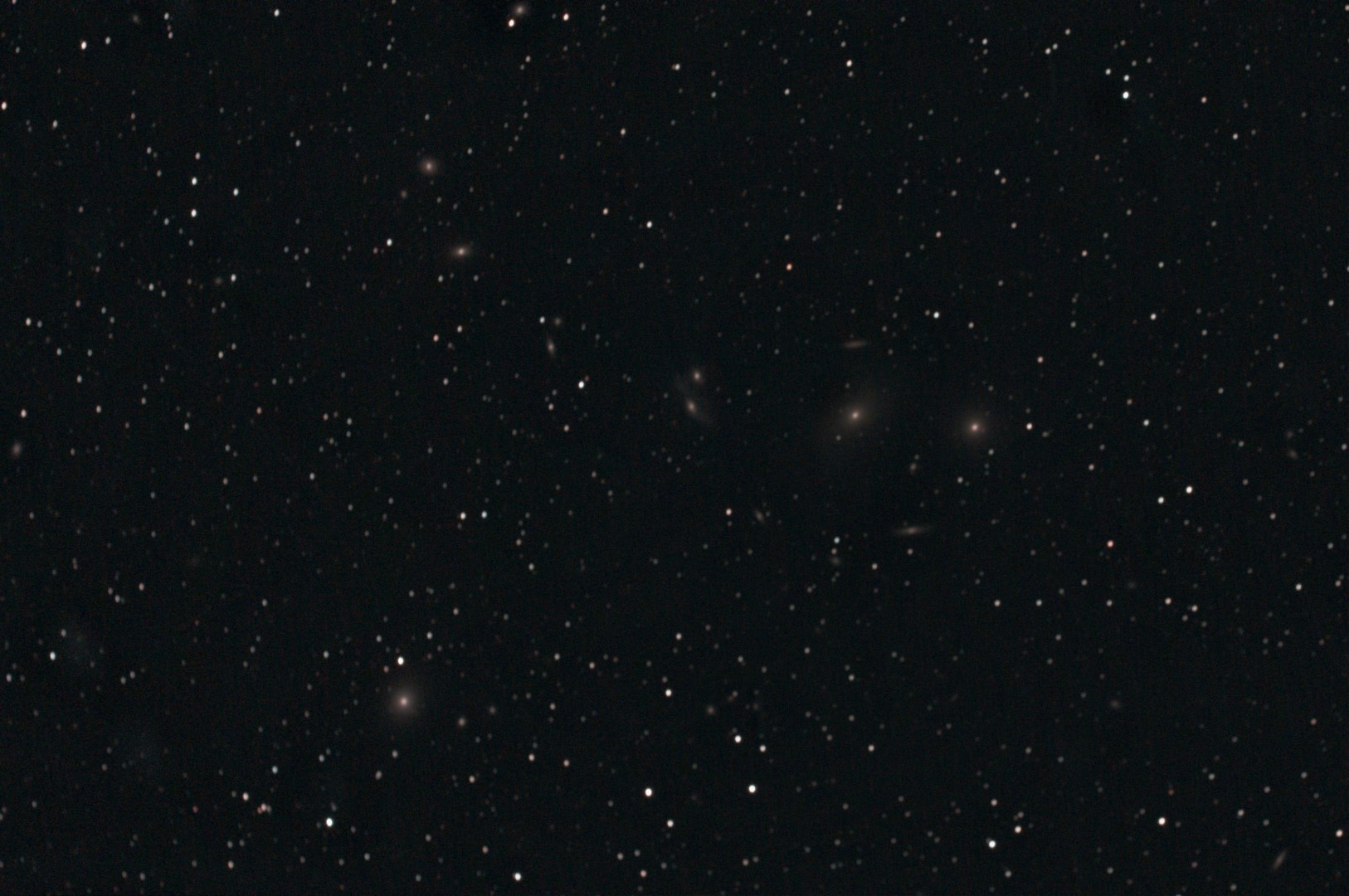
Markarain's Chain WO GT81 & Canon 550D + FF | 15 x 180 secs @ ISO 1,600 | 26th March 2015
Markarian’s Chain
WO GT81 & Canon 550D + FF | 15 x 180 secs @ ISO 1,600 | 26th March 2015

Markarian's Chain (red)  &  some other galaxies (green) inverted.

Markarian’s Chain (red) & some other galaxies (green) – inverted image.
The one that got away

At the end of February the appearance of the Leo constellation marks the end of the winter sky and the transition to Spring.  After previously succeeding in imaging the Leo Triplet and M96 group, there remained one feature I still wanted to capture and, after a long period of difficult seeing conditions, I finally got my chance much later in March.

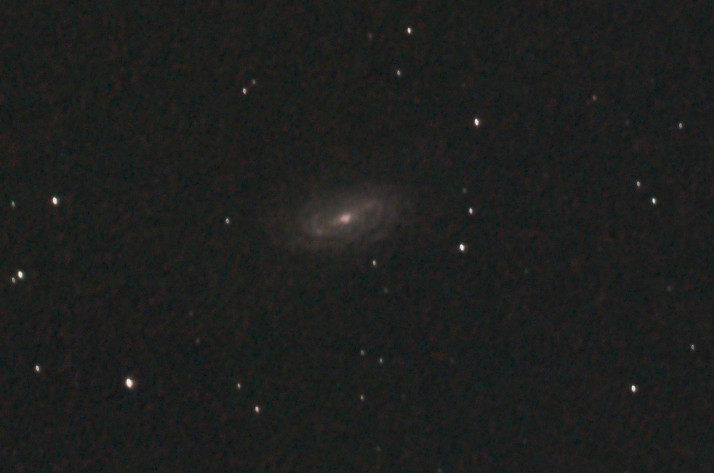
Just west of the lion’s head, south of the star Alterf (Lambda Leonis) is the 10th magnitude barred spiral galaxy NGC 2903, discovered by no less than William Herschel in 1784.  At 12.6’ x 6.0’ (80,000 ly) NGC 2903 is a little smaller than the Milky Way and too small for my equipment to show much detail but it is possible to see the spiral arms and the bright core, which is known to exhibit an exceptional rate of star formation.  However, the galaxy’s main notoriety is that this significant feature should have been overlooked by Messier though, to be fair, he did well with 103 other wonderful objects that I’m still working through.

NGC 2903 WO GT81 + Canon 550D & FF | 10 x 180 sec @ ISO 1,600 | 25th March 2015

NGC 2903
WO GT81 + Canon 550D & FF | 10 x 180 sec @ ISO 1,600 | 25th March 2015

Spring Skies

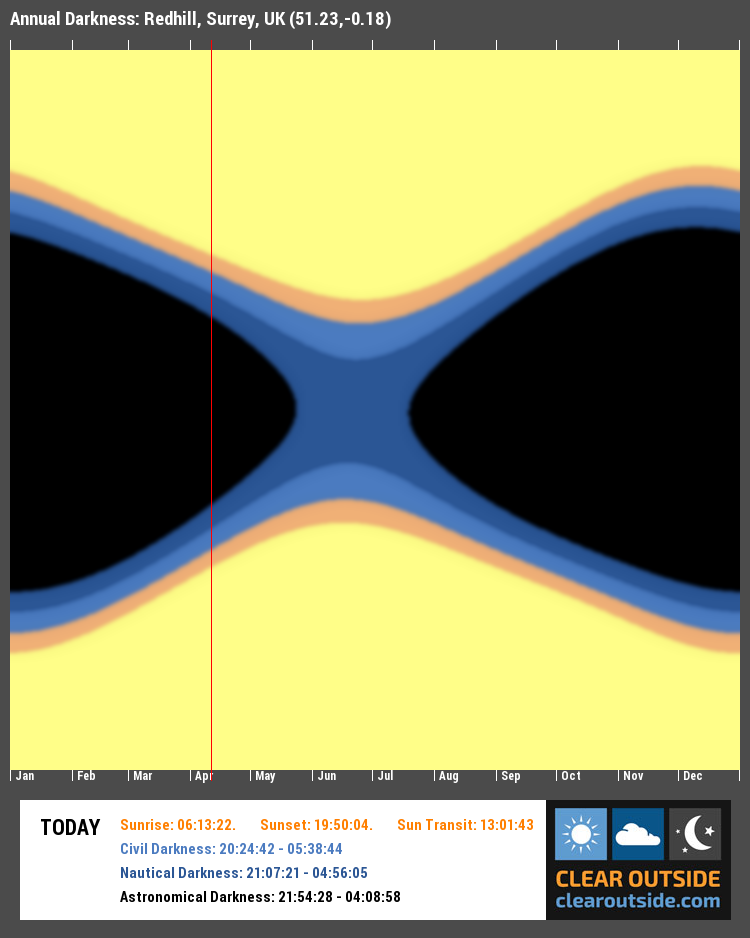
It’s three weeks since the Spring Equinox and two weeks since moving to British Summer Time (BST or daylight saving, GMT+1 hour), the result is that the night sky starts much later in the evening and is rapidly decreasing in length; it is just about six weeks before Astronomical Darkness completely ceases and will not come back until the end of July.  In addition, through a combination of European pollution and fine sand from the Sahara drifting over South East England this week, otherwise clear skies were badly obscured by the resulting haze.  As a result, since shortly before the full Moon on April 4th astronomy has not been possible – until last night.

The march of time and annual movements of the Solar System inevitably lead to a significant loss of quantity and quality of darkness at this time of the year.

The march of time and annual movements of the Solar System inevitably lead to a significant loss of quantity and quality of darkness at this time of the year.

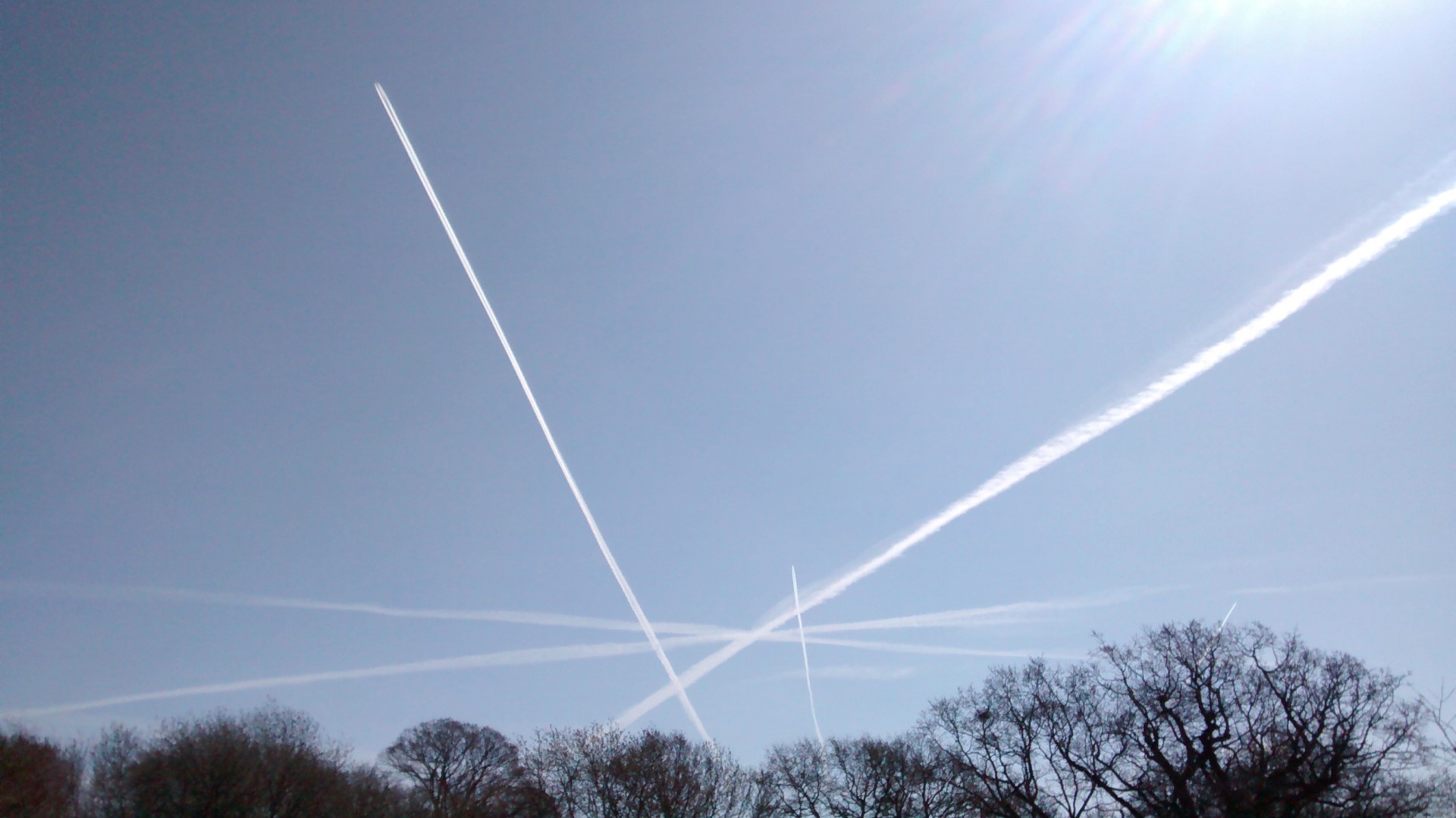
Taken this morning, the contrails over Fairvale Observatory make a striking picture but, together with other pollution are having a significant impact on seeing conditions here at the moment.

Taken this morning, the contrails over Fairvale Observatory make a striking picture but together with other pollution are having a significant impact on seeing conditions here at the moment.

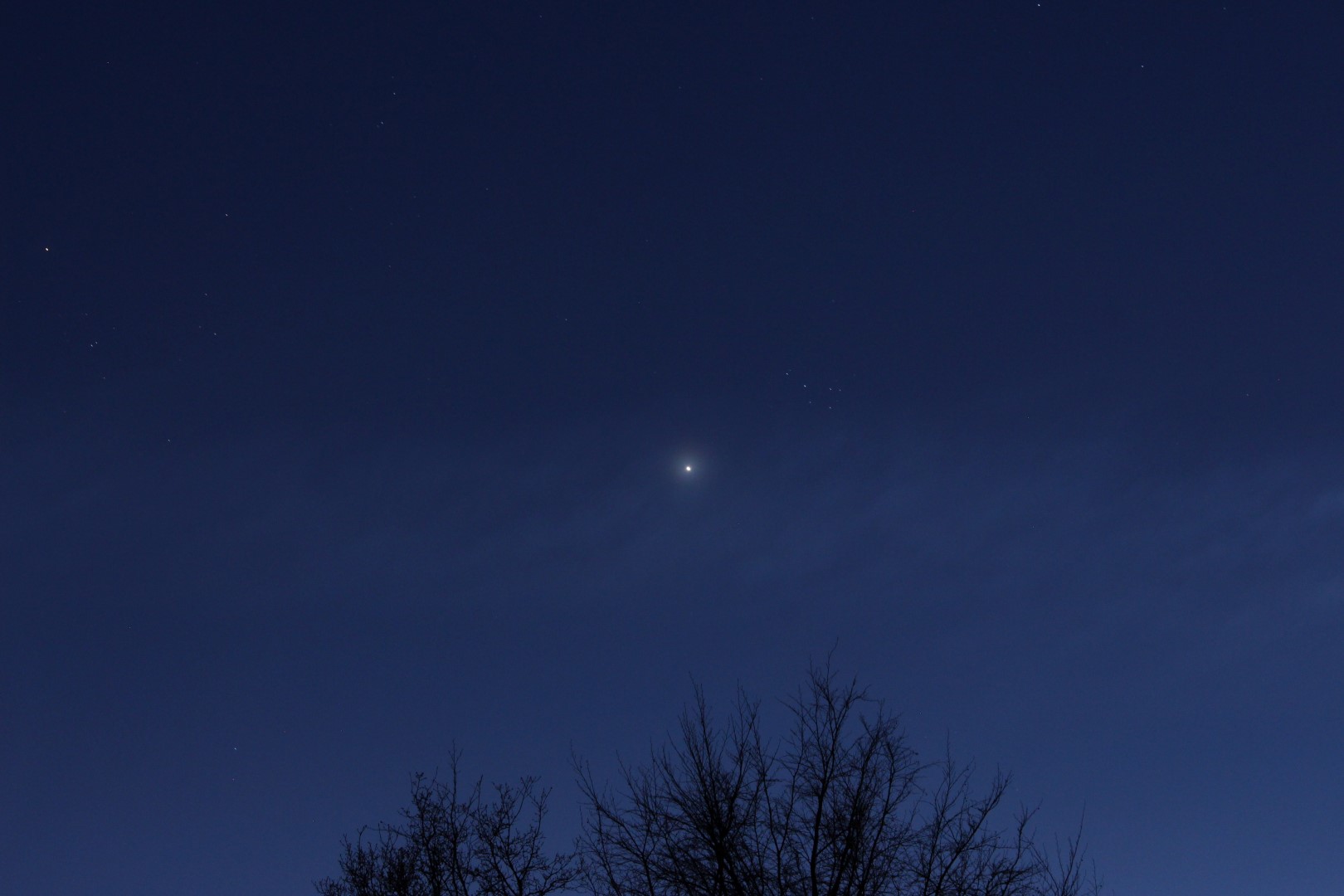
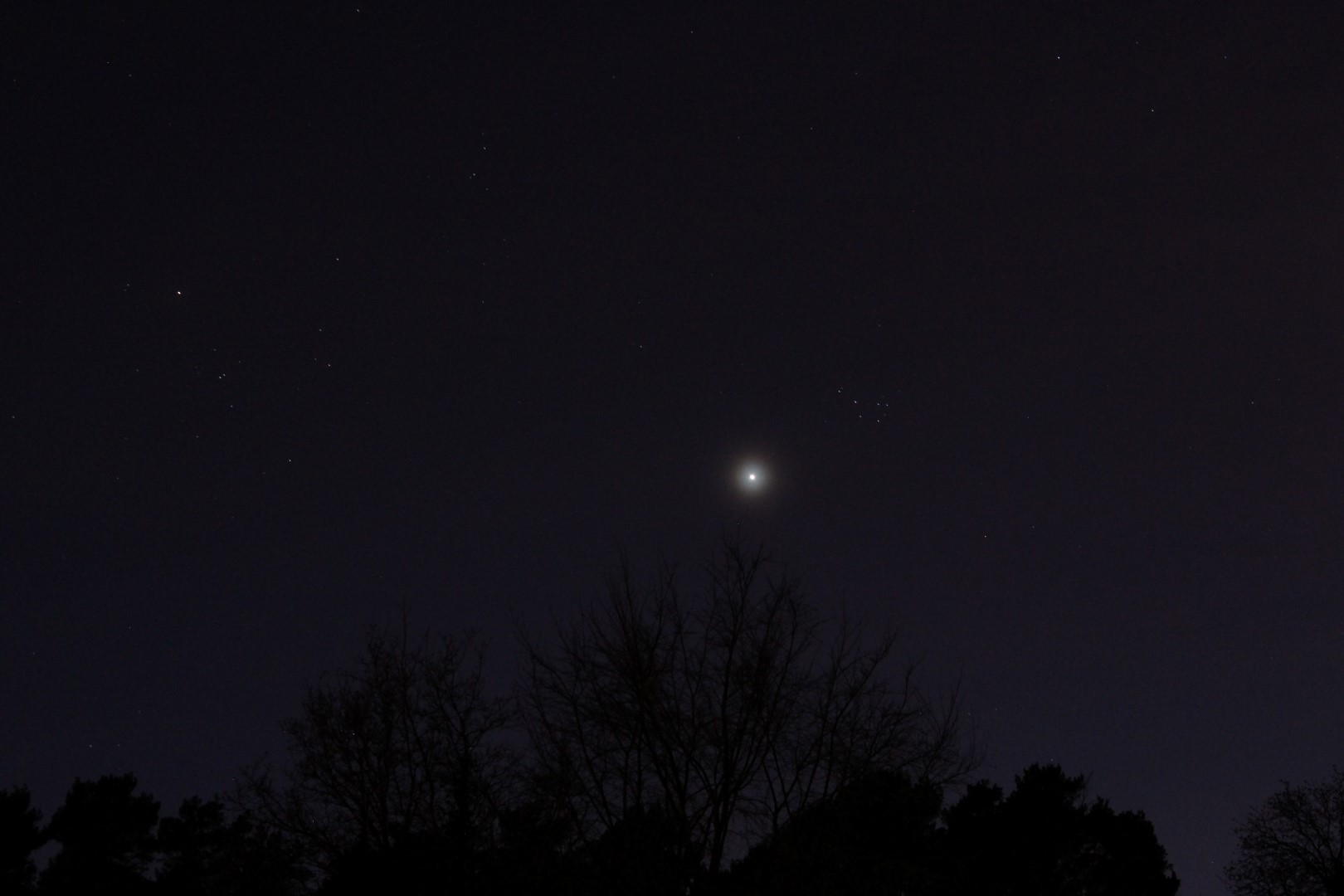
In the early evening twilight sky for a brief period between sunset and astronomical darkness, at the moment Venus is low on the western horizon.  Last night its apparent position was also close to the Pleiades star cluster, making an attractive widefield photograph.  Furthermore, shortly before Venus moved below the horizon and the sky had nearly reached Civil Darkness, the constellation Taurus also became visible to the south west with the bull’s ‘eye’ star Alderbaran and the v-shaped Hyades star cluster clearly evident.

Venus at sunset last night.

Venus at sunset last night: the Pleiades can only just be seen at 2-o’clock to Venus with Taurus on the far left.

Twenty minutes after sunset shortly before reaching Civil Darkness, the Pleiades and Taurus constellation are now quite clear.

Twenty minutes after sunset shortly before reaching Civil Darkness, the Pleiades and Taurus constellation are now quite clear.

Such a picture is a reminder that it is important to consider photography other than telescopic based planetary and deep sky imaging, especially as viewing and imaging conditions become more limited over the forthcoming Summer period.