Rock On!

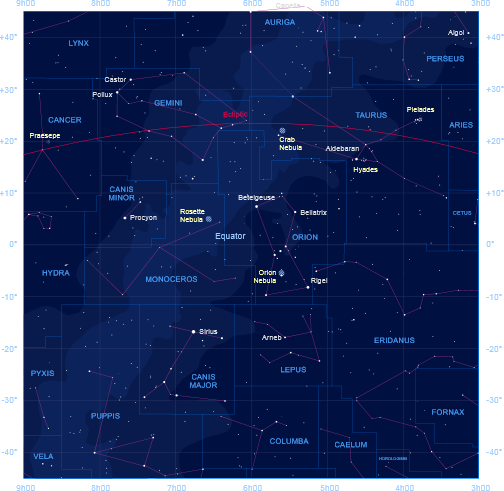
Due to my viewing limitations at Fairvale Observatory planning is essential, with the best imaging range mainly restricted to a zone between 65o and 85o and within +/-20o of the Meridian.  Furthermore, as I am mostly using the William Optics GT81 telescope at the moment, imaging targets should preferably be large – something between 1o & 2o is perfect, such as  the Rosetta Nebula at 1.3o or Andromeda Galaxy at 190’ x 60’.  As luck would have it these conditions are favourable for a number of objects at the moment and I have been somewhat spoilt for choice: North America Nebula, Veil Nebula and Andromeda.

Notwithstanding, for some reason I have until now overlooked the Sadr Region IC 1318, which is also large and in a similar part of the sky as the aforementioned North America and Veil Nebulae but perhaps overshadowed by their notoriety.  In reality it is an enormous area of nebulosity containing many features worthy of imaging which are perfect at this time of the year from my location.

cygnus

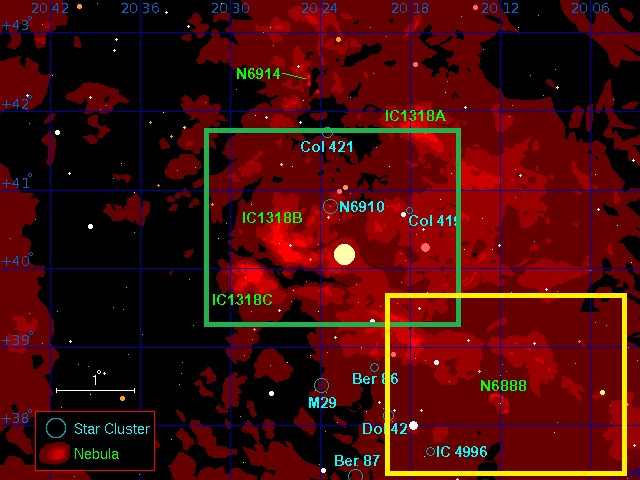
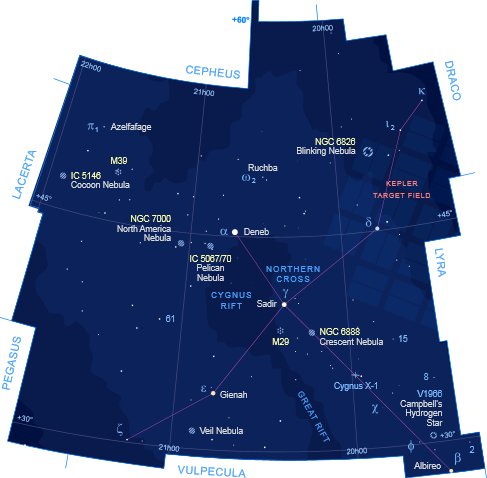
Sadr Region: green rectangle indicates the approximate area of IC 1318 image, yellow rectangle the NGC 6888 Crescent Nebula. image

Sadr Region: green rectangle indicates the approximate area of IC 1318 image, yellow rectangle the NGC 6888 Crescent Nebula image.

IC 1318 is a diffuse emission nebula surrounding the star Sadr or Gamma Cygni, which is at the centre of the Cygnus Cross and on the plane of the Milky Way.  The Sadr region is located deep within the Orion arm of the Milky Way about 3,000 light-years from Earth, with Gamma Cygni actually situated closer in the foreground. Such is the size of IC 1318 that its three constituent parts, A – B – C, extend over some 200 light-years or about 4 degrees, which is well beyond the FOV of the WO GT81; how could I have overlooked his enormous area of nebulosity before?  As a result of its size and complexity I also chose to image two other interesting features nearby.

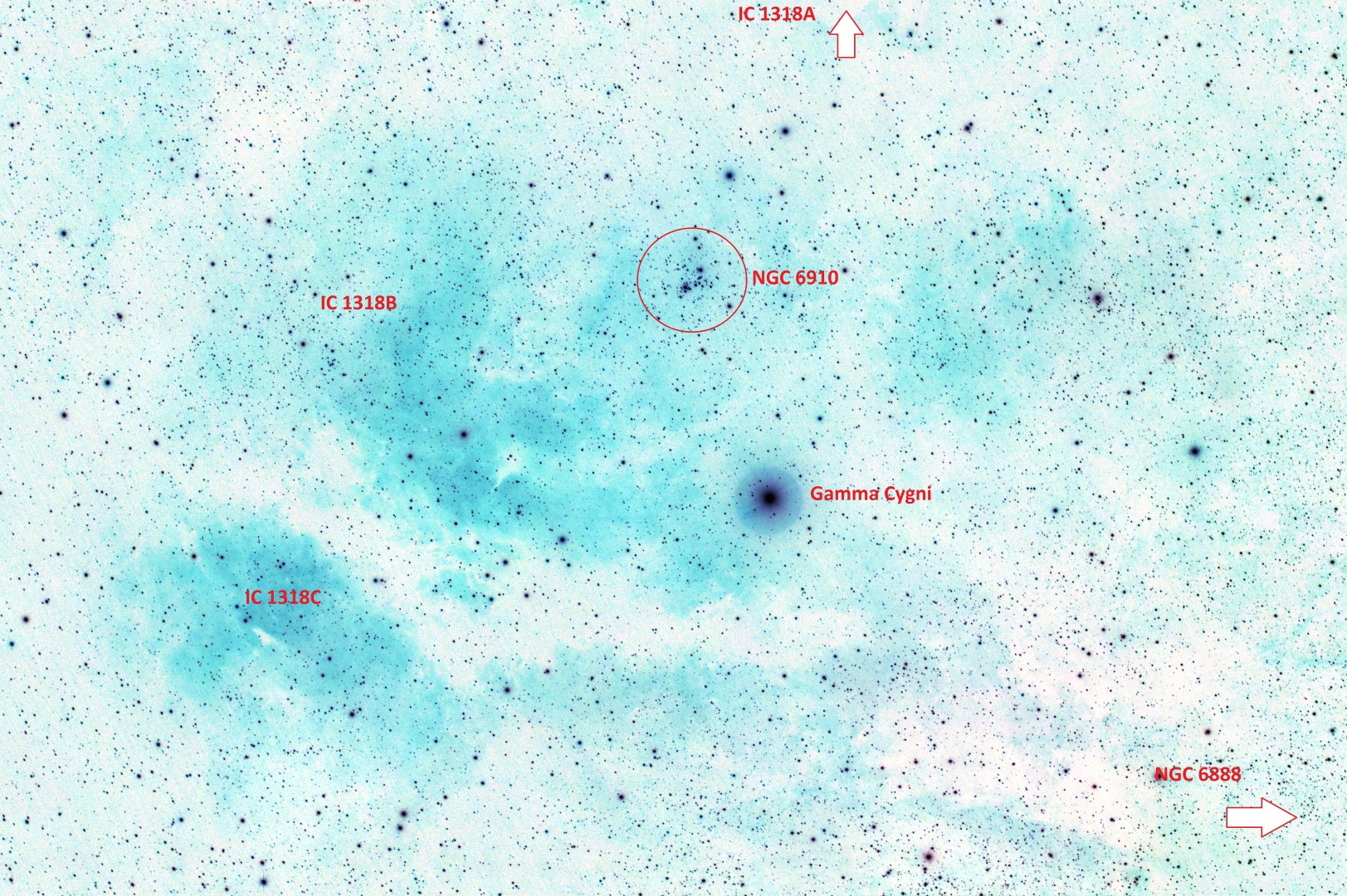
IC 1318 Sadr Region - image inverted & annotated

IC 1318 Sadr Region – image inverted & annotated

IC 1318 Sadr Region WO GT81 + modded Canon 550D & FF | 30 x 120 secs @ ISO 1,600 | 30th September 2015

IC 1318 Sadr Region
WO GT81 + modded Canon 550D & FF | 30 x 120 secs @ ISO 1,600 | 30th September 2015

Situated just above Sadr is the small star cluster of NGC 6910 AKA Rocking Horse Cluster.  Although only 10’ in size the cluster is visually quite prominent, though I struggle to see the little horse that others have identified.  Notwithstanding, it is an interesting and attractive part of the Sadr region.

NGC 6910 The Rocking Horse Nebula as recorded by StarObersever.eu - located just above Gamma Cygni in the previous image.

NGC 6910 The Rocking Horse Nebula as recorded by StarObersever.eu – located just above Gamma Cygni in the previous image.

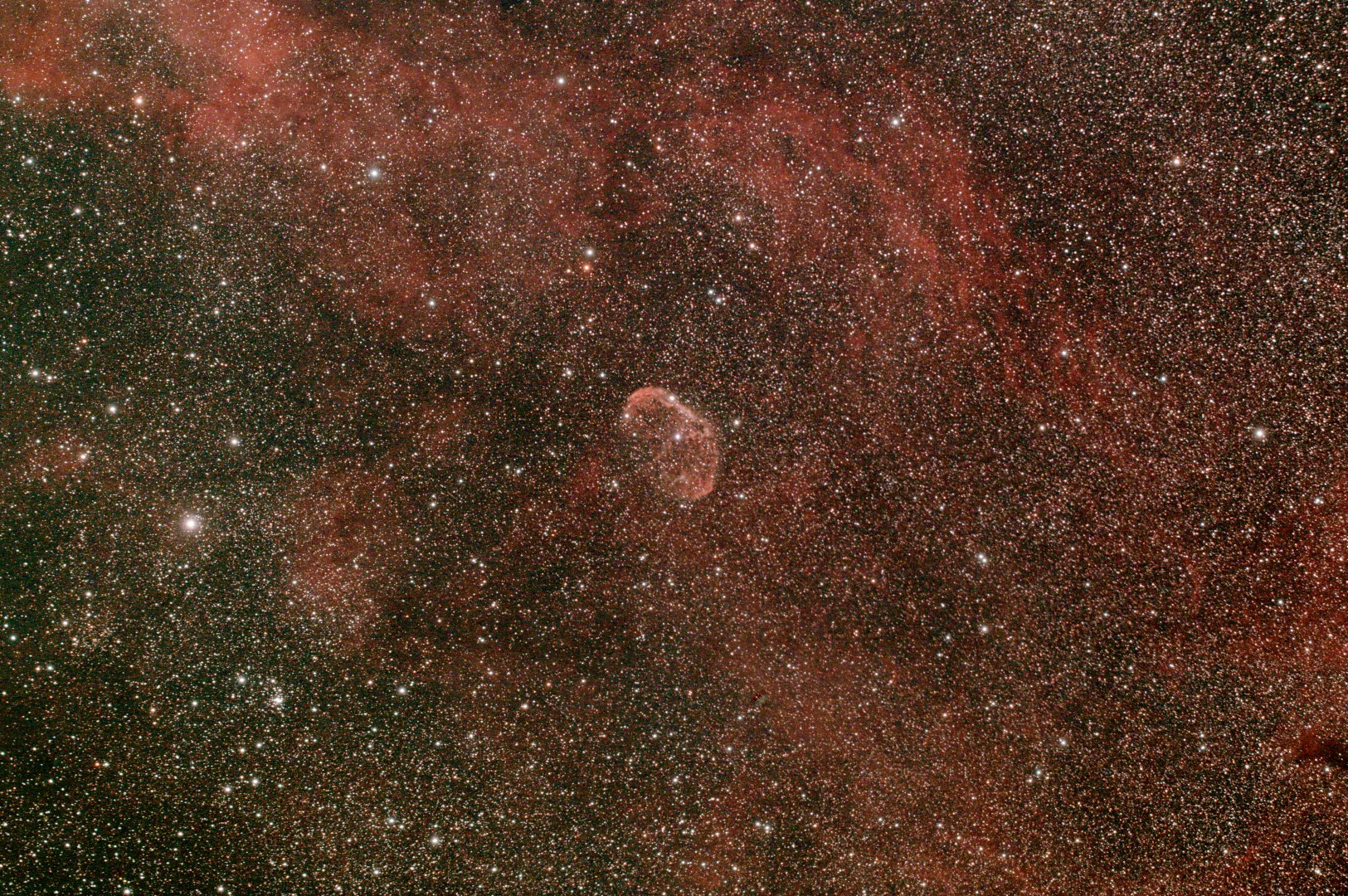
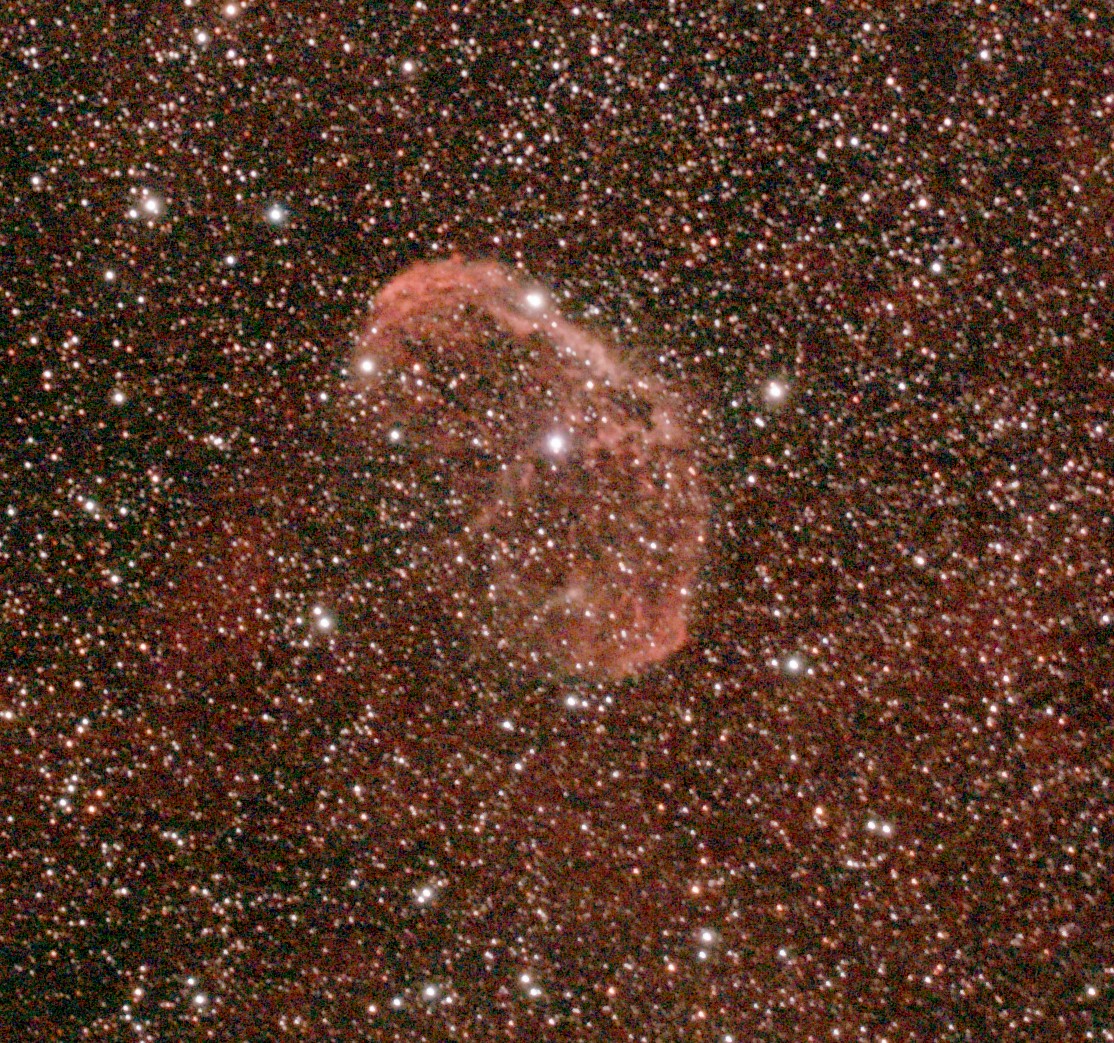
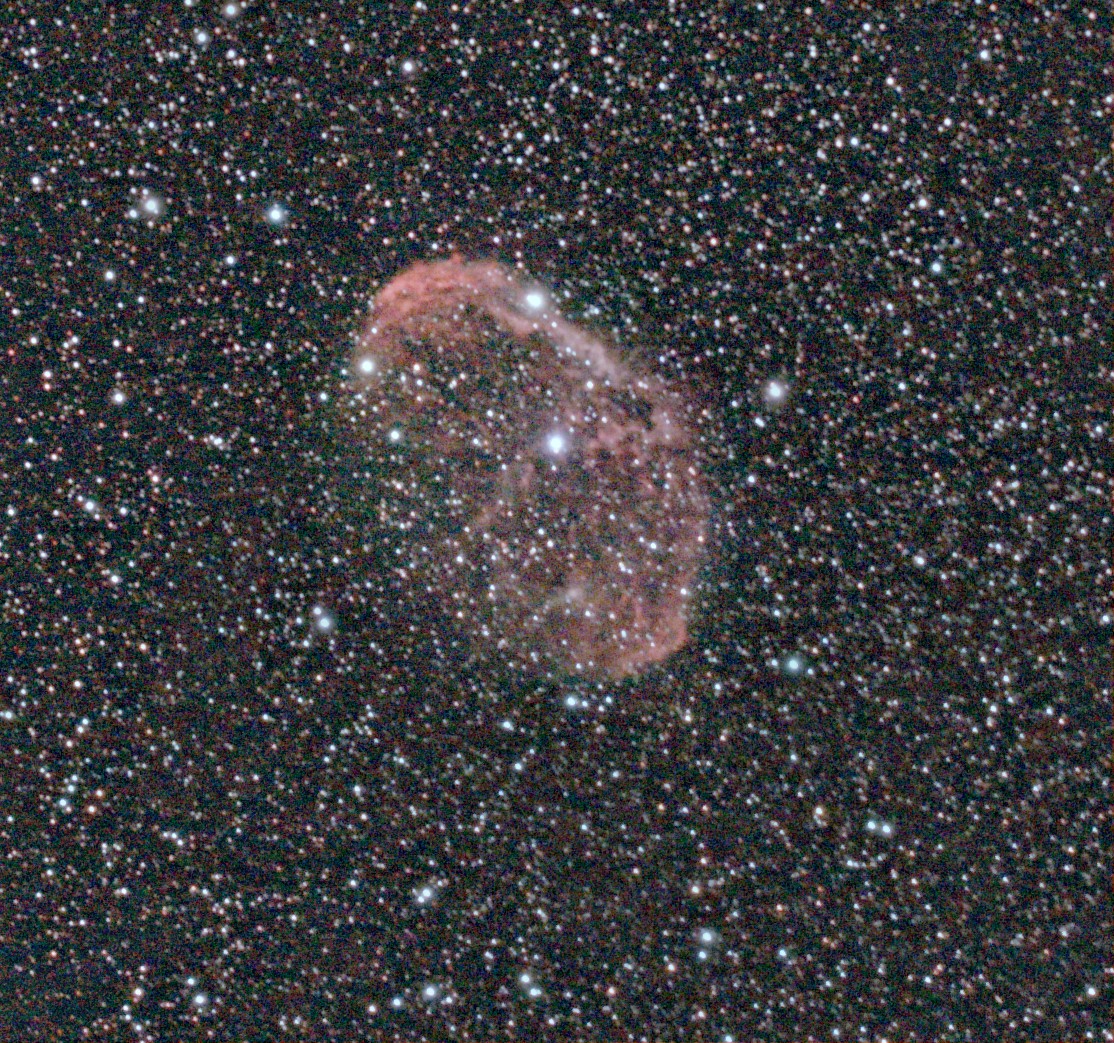
Located about 2 degrees south west of Sadr is the Crescent Nebula NGC 6888, which is not unlike the Jellyfish Nebula in appearance but is younger in its evolution.  An emission nebula, NGC 6888 is formed by a stellar wind from the Wolf-Rayet star WR 126 colliding with a slower moving wind ejected when the star previously became a red giant. The result is an illuminated shell-like feature consisting of two shock waves, one moving inward and the other outward, producing this amazing spectacle which measures some 25 light-years across.  Near the end of its existence, the star will eventually end its life in a spectacular supernova explosion – now that would be an image.

NGC 6888 Crescent Nebula WO GT81 + modded Canon 550D & FF | 20 x 180 secs @ ISO 1,600 | 9th October 2015

NGC 6888 Crescent Nebula
WO GT81 + modded Canon 550D & FF | 20 x 180 secs @ ISO 1,600 | 9th October 2015

Crescent Nebula - cropped

Crescent Nebula – cropped

Crescent Nebula - cropped + GradientXTerminator applied

Crescent Nebula – GradientXTerminator applied

Whilst IC 1318 has proved to be an excellent and productive imaging target for my equipment, it has become clear that it represents a much, much larger area of nebulosity that incorporates or is at least immediately adjacent to NGC 7000, the North America Nebula.  At a rough estimate this larger area spans a distance of some 2,000 light-years and is some 50-times bigger than the Sadr region.  Like other major areas of nebulosity (Barnard’s Loop) such a scale is way beyond the ability of my equipment and most others without resorting to a mosaic technique.

However, my interest in seeing and potentially imaging the bigger picture has been piqued and I have recently purchased a Vixen Polarie tracking mount, which can be fixed onto a camera tripod with a standard camera and lens in order to take long exposures without forming star trails. This set-up has two advantages over prime focus + telescope imaging: (i) it is highly portable and can easily be taken anywhere in a rucksack, and (ii) by using a camera lens of say <=50mm focal length it is possible to achieve a much wider FOV and thus photograph some of these very large nebulous areas in one image.

Alas the Sadr region is now moving on and it is probably too late to tackle using the Polarie mount but it will be something to look forwards to again next autumn and meanwhile Orion is just round the corner.  Watch this space for developments!

Space Odyssey

I have just finished reading Chris Hadfield’s excellent book An Astronaut’s Guide to Life on Earth, which is an entertaining and insightful look at being an astronaut and the lessons it provides for life in general.  Who of us has not at least considered such an adventure ourselves but, of course, it is impossible for all but a few.

51lLw6nsBsL._SX328_BO1,204,203,200_

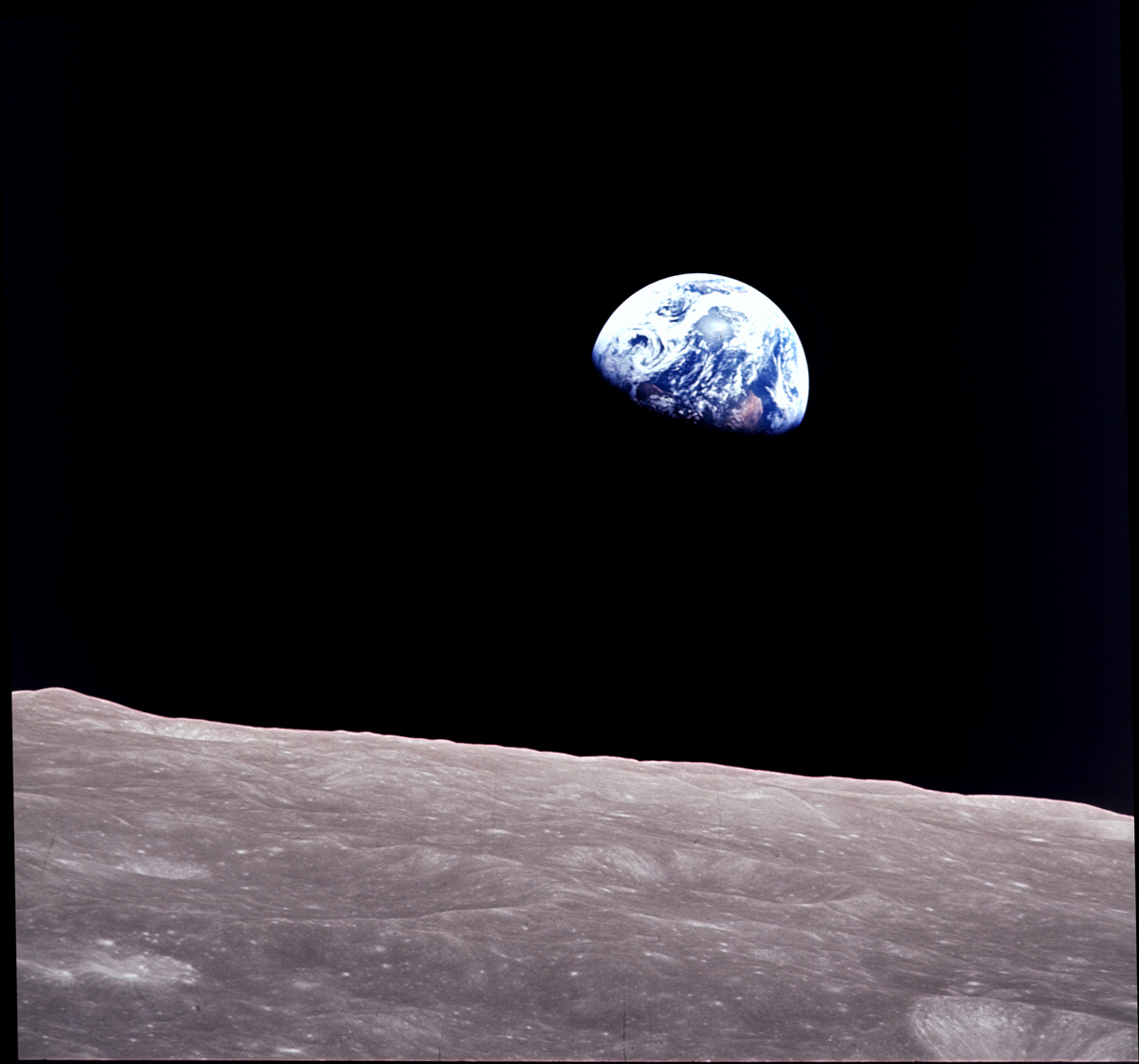
Astronomy is thought provoking enough in itself looking out at the vastness and beauty of the Universe, being in space and looking down on our planet would take such thoughts to a whole different level; from their subsequent accounts it is clear that those who have walked on the Moon became changed people, returning different to the rest of us.

apollo08_earthrise

Ever since following the pioneering space adventures of Yuri Gagarin and Alan Sheppard and especially watching the Apollo 11 Moon landing in 1969, I have been fascinated by space, its science and the human experience of travelling there.  My solution to going into space was to take up scuba diving and since 1976 have had many wonderful diving experiences all over the world.  Of course, it’s not space but it is very much other worldly and the weightless feeling is as close as most of us will get to being in space; the astronauts train extensively underwater for just that reason.  Furthermore, as a geologist and more recently taking up astronomy has altogether provided me with a better understanding of the Universe.

Maldives, Kandooma 2004: the closest I'll get to space!

Maldives, Kandooma 2004: the closest I’ll get to space!

Given my long standing interest in space, it is perhaps surprising that I came late to astronomy itself, so why now?  The best answer is time – in recent years I have had more of it and in the past work, family and extensive travel precluded such a pastime.  Like so many sciences in the modern era, technology has also unlocked major new opportunities for scientists and amateurs alike.  Whilst I enjoy the science itself and especially viewing the night sky, the ability to produce frankly incredible images has been the most important key to my recent personal interest.

The phenomenal imaging improvements that have occurred since the launch of Hubble have made the power and beauty of the Universe even more accessible to us all on Earth.  Digital image capture and processing is now so powerful that pictures of hitherto unimaginable quality can be achieved from Earth.  Furthermore, for a relatively modest cost outlay, such images can be obtained by amateurs like me, literally outside my back door.  More than any other development, this is what has now engaged my interest.  The product of astroimaging can easily be overlooked as just an attractive, often spectacular photograph of the night sky – and they are.  But the equipment and pictures produced are also important tools that can assist our understanding as well as imagination of space.

andromeda

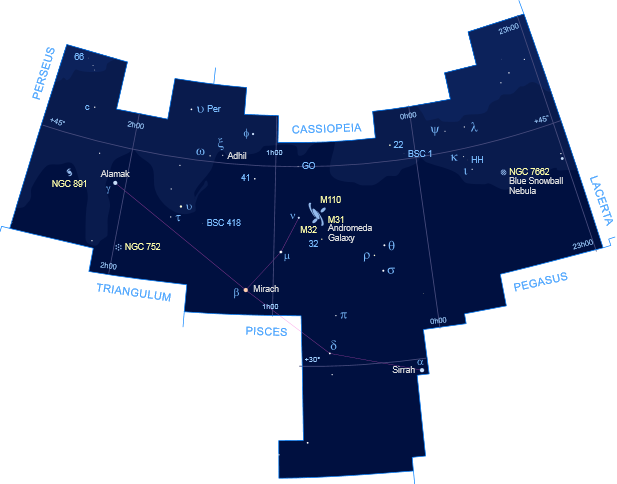
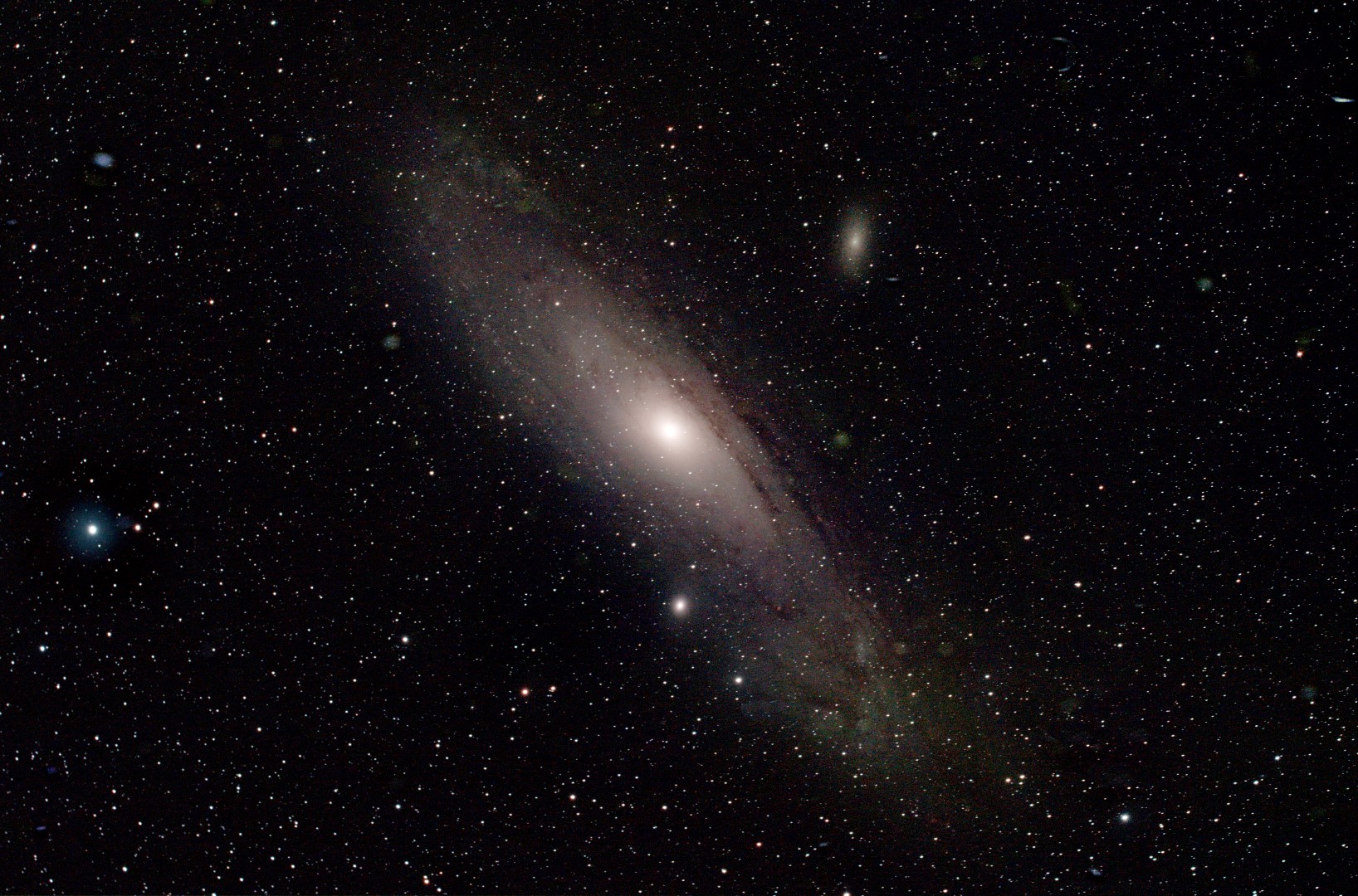
After a forced absence from astroimaging for the past six months, I was recently fortunate to obtain a number of exciting pictures of familiar objects on my first night back, in particular M31 or the Andromeda Galaxy.  As the nearest galaxy to Earth, Andromeda is an obvious target for those new to astroimaging but despite its proximity, it is not to be underestimated as an imaging target.  I have attempted imaging M31 before but, like many others, found it very difficult to coax out the detail which makes it such a beauty.  I am not completely sure what was different this time but the resulting picture at last starts to capture these details; I was even more surprised at the outcome which is the result of just nine 120 second exposures at the end of a long night before heading for bed!

M31 Andromeda Galaxy WO GT 81 + modded Canon 550D + FF | 9 x 120 secs @ ISO 1,600 | 19th September 2015

M31 Andromeda Galaxy
WO GT 81 + modded Canon 550D + FF | 9 x 120 secs @ ISO 1,600 | 19th September 2015

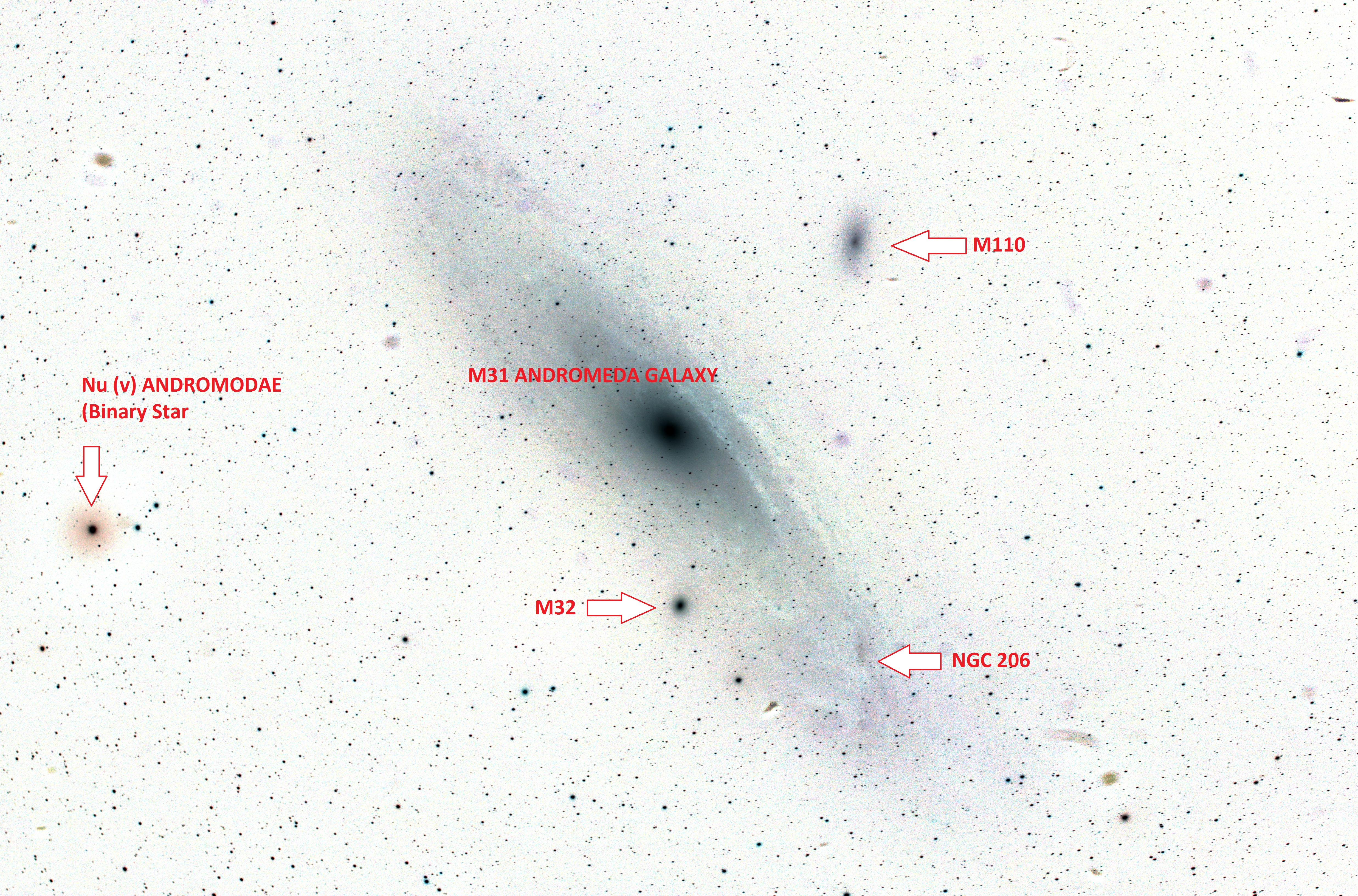
Andromeda poses two main challenges for the photographer: (i) the contrast in brightness between the central area and the rest of the galaxy, and (ii) the need to show the brown dust bands within the main disc, which provide a fascinating insight into the galaxy’s overall structure – that is not unlike out own Milky Way.  The classic technique is to use two sets of images, with camera settings appropriate to the two contrasting areas, subsequently bringing them together during post-processing.  Despite the limited number of prime focus images taken the final picture achieved still came out well.  Though the bright central area is overexposed, the galaxy’s dust bands are clearly evident and for the first time have captured the full character of this magnificent feature. Furthermore, within M31 the NGC 206 is evident, a star formation region of over 300 new stars, whilst in the adjacent sky two other Messier galaxies are shown in the image M32 and M110.

M31 Anfromeda Galaxy: inverted & anotated

M31 Andromeda Galaxy: inverted & annotated

I think it is correct to say that the Andromeda Galaxy is one of the iconic images of the night sky and I feel obtaining such a picture marks another notable point in my personal space odyssey.  I would hope Chris would approve, as well as Major Tom?

The Pelican & The Phoenix

As we pass the Autumn Equinox the promise of long and exciting Winter skies is not far off but there are still some wonderful late Summer features around worth imaging before they move away from the Meridian and out of view from Fairvale Observatory.  Following a major operation earlier in the year I’ve been unable to move the heavy equipment outdoors until very recently and have therefore almost completely missed the Summer skies; even as I’ve been getting better in recent weeks, poor skies and other circumstances have stopped my return to astronomy – until now.

Up until shortly before midnight the Cygnus constellation is favourably located close to the Meridian at the moment and at a very high, southerly altitude – perfect for my location – it was therefore here that I chose to make my long awaited resumption to astroimaging last Saturday.  The weather forecast in the morning showed clear skies for that night but by early evening had changed to cloud and looked like being another lost opportunity; on this basis the Flamsteed Astronomy Society had already cancelled their planned evening astronomy session.  However, unlike previous attempts in recent weeks when clear skies were forecast and the cloud rolled in unannounced, this time the outcome was very different, with a clear moonless sky throughout the night – I sometime wonder if the weather forecasters have windows and bother to look outside!

cygnus

Located northeast of the first magnitude star Deneb and some 1,600 ly from Earth is NGC 7000 or the North America Nebula, an enormous H II region that in outline resembles the North American continent.  I first encountered this emission nebula at a similar time last year, which was my first experience of such a feature and I was therefore thrilled to capture part of it in my picture; my blog title at the time captures my feelings – WOW!  However, taking the image using the longer focal length Skywatcher 150PL with a smaller field-of-view (FOV), the picture only captured part of the ‘USA’ and the ‘Gulf of Mexico’.  Furthermore, using an unmodded camera much of the red H-alpha light that is characteristic of these nebulae was not recorded.

Since then my equipment has changed in a number of important ways, so that the William Optics GT81 with a wider FOV would now enable me to image more of the nebula, whilst using a modded DSLR camera would also record much more of the H-alpha light; an additional year’s experience also helped.  This time my target was the related IC 5070 and IC 5067 H II regions otherwise known as the Pelican Nebula, situated just west of NGC 7000 and close to Deneb.

The Pelican Nebula, IC5070 & IC 5067. WO GT81 & modded Canon 550D + FF | 30 x 120 secs @ ISO 1,600 + calibration | 19th September 2015

The Pelican Nebula, IC5070 & IC 5067
WO GT81 & modded Canon 550D + FF cropped | 30 x 120 secs @ ISO 1,600 + calibration | 19th September 2015

With an apparent magnitude of +8 the Pelican is generally less bright than its larger +4 neighbour but is no less exciting.  The bright double star Cygnus 57 and binary Cygnus 56 shine conspicuously just in front of the ‘bird’ and within the ‘body’ respectively.  In addition a bright area at the northern top of the ‘bird’s head’ is an active area of star formation, which ionizes the gases creating the glowing red area.

Whilst missing the impact of being my first H II nebula last time, the larger image of the North America Nebula now captures most of the ‘continent’ and encompasses ‘Central America’.  As a result the picture clearly shows the Cygnus Wall, another bright area of star formation that runs along ‘Baja California’ / ‘northern Mexico’ area.

NGC 7000 The North America & Pelican Nebulae WO GT81 + modded Canon EOS 550D + FF | 30 x 120 secs @ ISO 1,600 + calibration | 19th September 2015

NGC 7000 The North America & Pelican Nebulae
WO GT81 + modded Canon EOS 550D + FF | 30 x 120 secs @ ISO 1,600 + calibration | 19th September 2015

The combined Pelican and North America Nebulae span some 50 ly across, which when imaged together makes a wonderful picture of these spectacular features.  I would be happy with this image at any time but after nearly six months away from astroimaging it’s a very pleasing result.  I feel re-invigorated, like the phoenix has risen again.

All in a spin

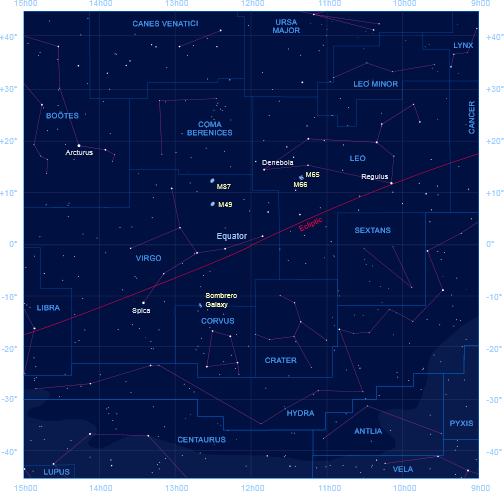
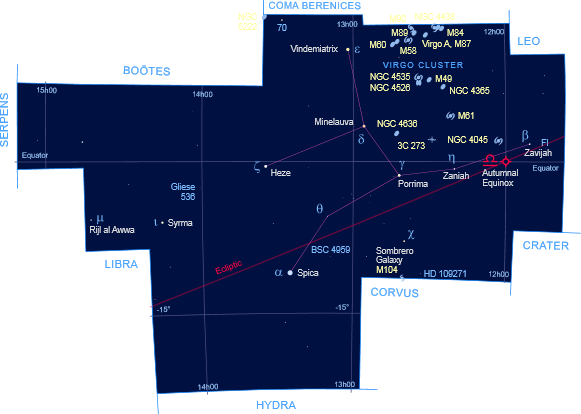
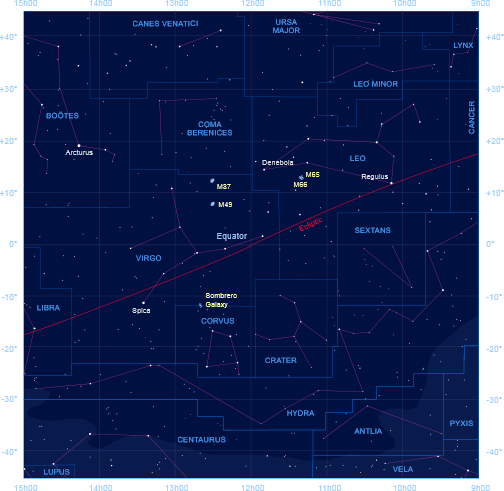
It is now just over six months since acquiring my new astronomy equipment and therefore the first time I have experienced imaging DSO objects of the Spring night sky.  Following the passage of Leo, the main show has now well and truly arrived as the constellations of first Coma Berenices and then Virgo pass overhead, bringing with them a virtual fireworks type display of spectacular stellar features. sky-12h00 comaberenices virgo To DSO fans Spring means one thing – galaxies – too many to comprehend, making it difficult to know where to start.  In my case the detailed beauty of these galaxies will need to wait until I have a substantially larger telescope and can achieve much, much longer exposures.  In the meantime I just marvel at the spectacle and have been trying to image some of the more iconic of these springtime beauties.  Both constellations seem abound with galaxies but two groups are particularly exciting: the Coma Cluster and Virgo Cluster, within which there a large number of fine examples to choose from.

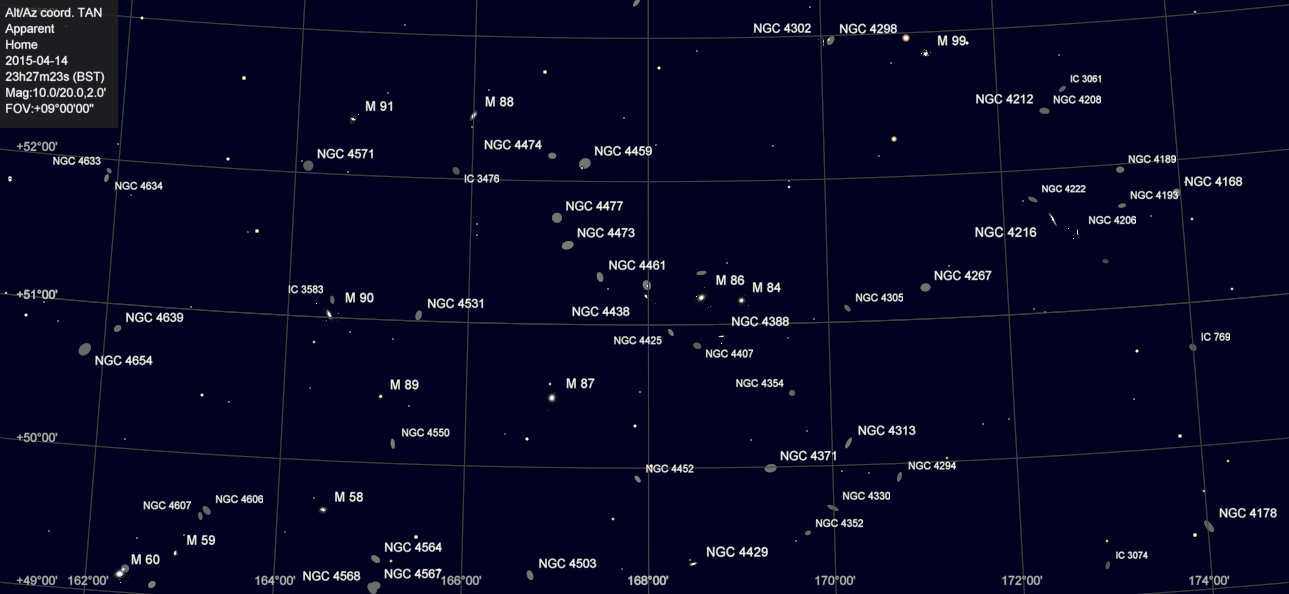
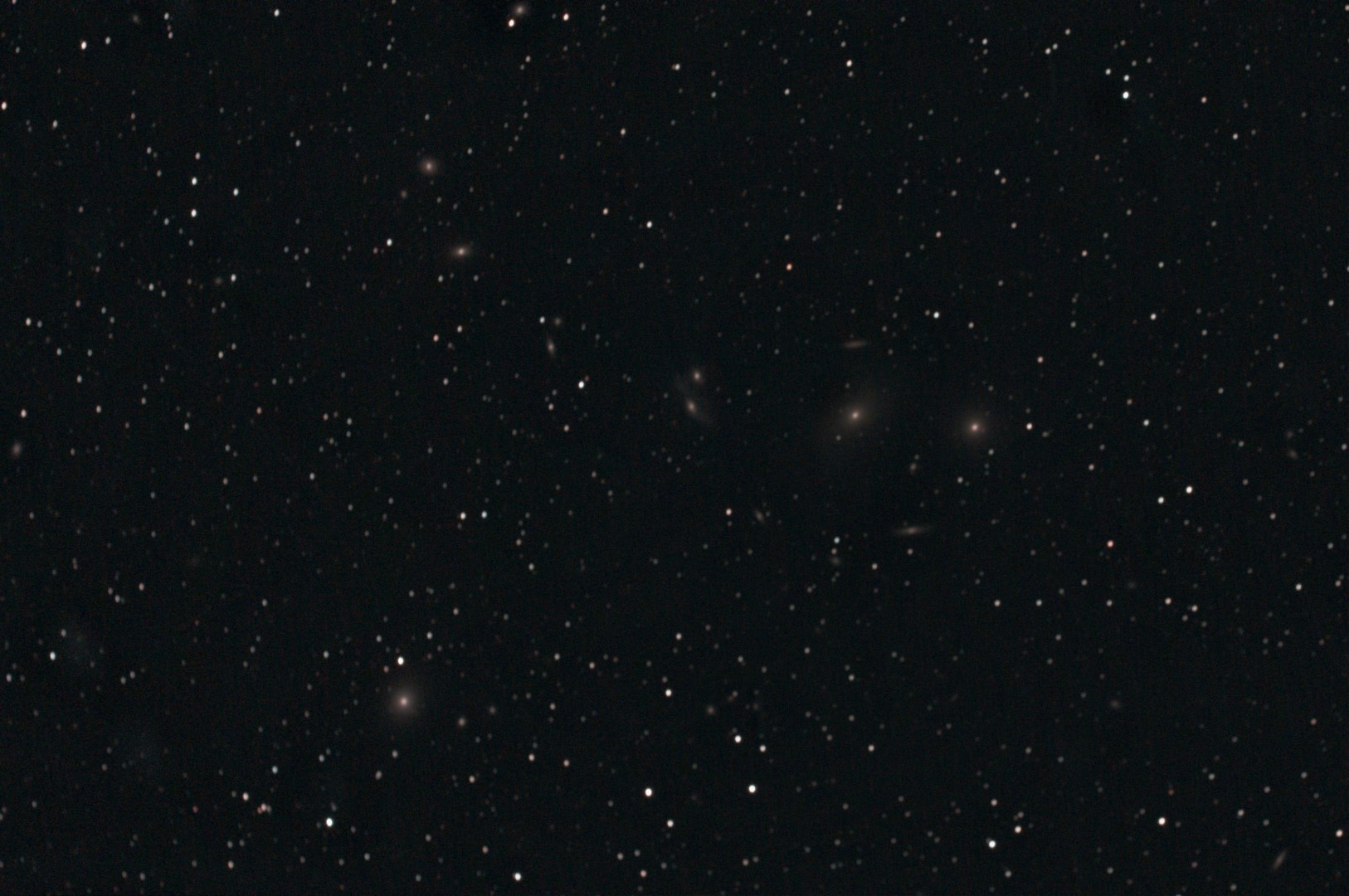
Just the tip of the iceberg: part of the Virgo Cluster that is crowded by galaxies.

Just the tip of the iceberg: part of the Virgo Cluster crowded with thousands of galaxies.

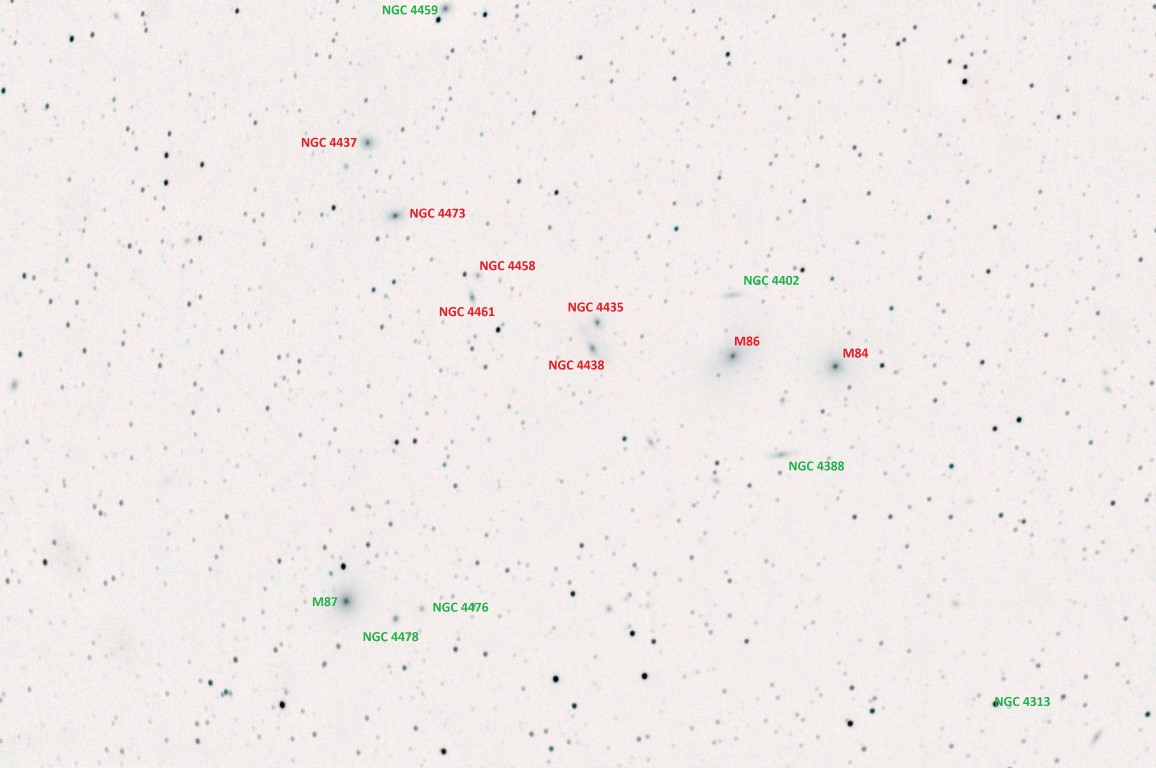
I was first drawn to Markarain’s Chain in the Virgo Cluster, a string of galaxies that form a gentle curve.  Stretched over some x ly the chain includes two Messier Objects – M86 & M84, together with NGC 4438, NGC 4435, NGC 4461, NGC 4458, NGC 4473 & NGC 4477 amongst many others.  In fact this entire part of the sky contains literally thousands of galaxies, of which Markarain’s Chain is just a small but interesting part.

Markarain's Chain WO GT81 & Canon 550D + FF | 15 x 180 secs @ ISO 1,600 | 26th March 2015

Markarian’s Chain
WO GT81 & Canon 550D + FF | 15 x 180 secs @ ISO 1,600 | 26th March 2015

Markarian's Chain (red)  &  some other galaxies (green) inverted.

Markarian’s Chain (red) & some other galaxies (green) – inverted image.

The one that got away

At the end of February the appearance of the Leo constellation marks the end of the winter sky and the transition to Spring.  After previously succeeding in imaging the Leo Triplet and M96 group, there remained one feature I still wanted to capture and, after a long period of difficult seeing conditions, I finally got my chance much later in March.

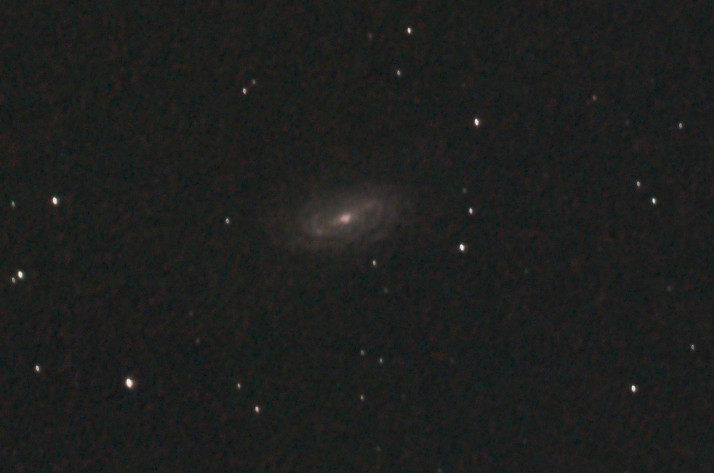
Just west of the lion’s head, south of the star Alterf (Lambda Leonis) is the 10th magnitude barred spiral galaxy NGC 2903, discovered by no less than William Herschel in 1784.  At 12.6’ x 6.0’ (80,000 ly) NGC 2903 is a little smaller than the Milky Way and too small for my equipment to show much detail but it is possible to see the spiral arms and the bright core, which is known to exhibit an exceptional rate of star formation.  However, the galaxy’s main notoriety is that this significant feature should have been overlooked by Messier though, to be fair, he did well with 103 other wonderful objects that I’m still working through.

NGC 2903 WO GT81 + Canon 550D & FF | 10 x 180 sec @ ISO 1,600 | 25th March 2015

NGC 2903
WO GT81 + Canon 550D & FF | 10 x 180 sec @ ISO 1,600 | 25th March 2015

Big Cat Hunting

As we move closer to the Spring Equinox, the winter sky is already rapidly disappearing towards the western horizon and I have been left wondering what next?  I was concerned that after successfully imaging the Orion constellation and all its spectacular parts over the past four months, it would be a difficult act to follow, I needn’t have worried.  Already starting to appear from late-evening, a series of constellations are about to proceed across the night sky over the next few months which will provide an equally spectacular but different kind of show to Orion.

sky-spring

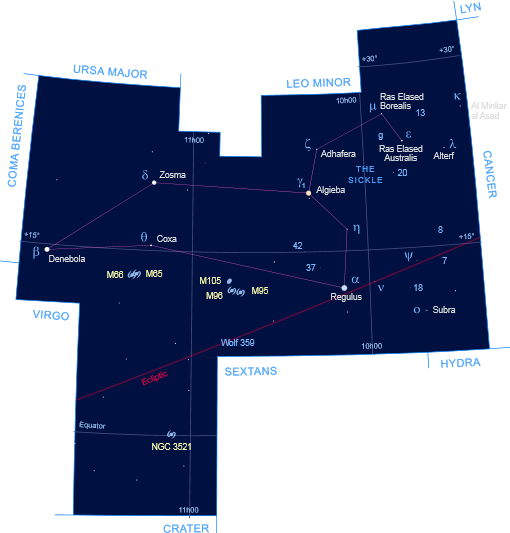
First of these is the constellation Leo, the celestial Lion, which it turns out is packed with galaxies and double stars.  The asterism of Leo is in the shape of a lion which, being dominated by various groups of galaxies holds much imaging promise, with my 81mm telescope providing an ideal field of view.

leo

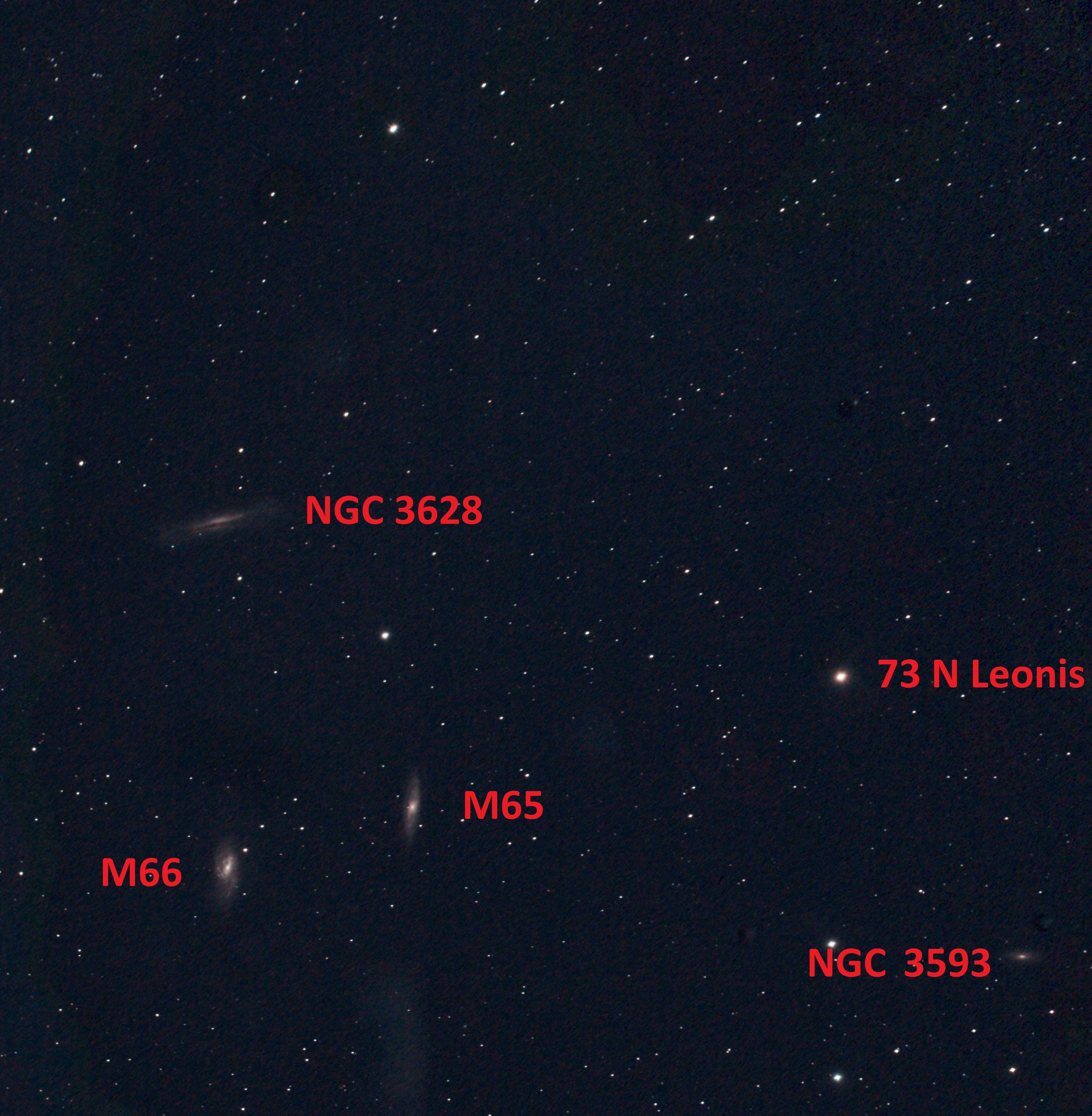
Located behind Leo’s rear ‘leg’ is the best of these, known as the Leo Triplet or M66 Group, which consists of three galaxies: M66, M65 and NGC 3628.  Evidence suggests that these are linked in a gravitational dance with each other which, in the case of NGC 3628, has created a disturbed, unbarred galaxy with a faint 300,000 light-year star to the east.  M66 is an intermediate spiral galaxy, with a diameter of about 95,000 light-years and is the largest and brightest of the trio.  M65 is a smaller, barred intermediate galaxy.  The field of view has also captured other galaxies as well as the orange giant star 73 N Leonis.  All-in-all a wonderful image which I hope to return to in order to achieve even better detail using longer exposures, guiding and hopefully a larger telescope one day.

Leo Triplet: M66, M65 & NGC 3628 WO GT81 + modded Canon 550D & FF | 10 x 180 secs + calibration @ ISO1,600 | 21st February 2015

Leo Triplet: M66, M65 & NGC 3628
WO GT81 + modded Canon 550D & FF | 10 x 180 secs + calibration @ ISO1,600 | 21st February 2015

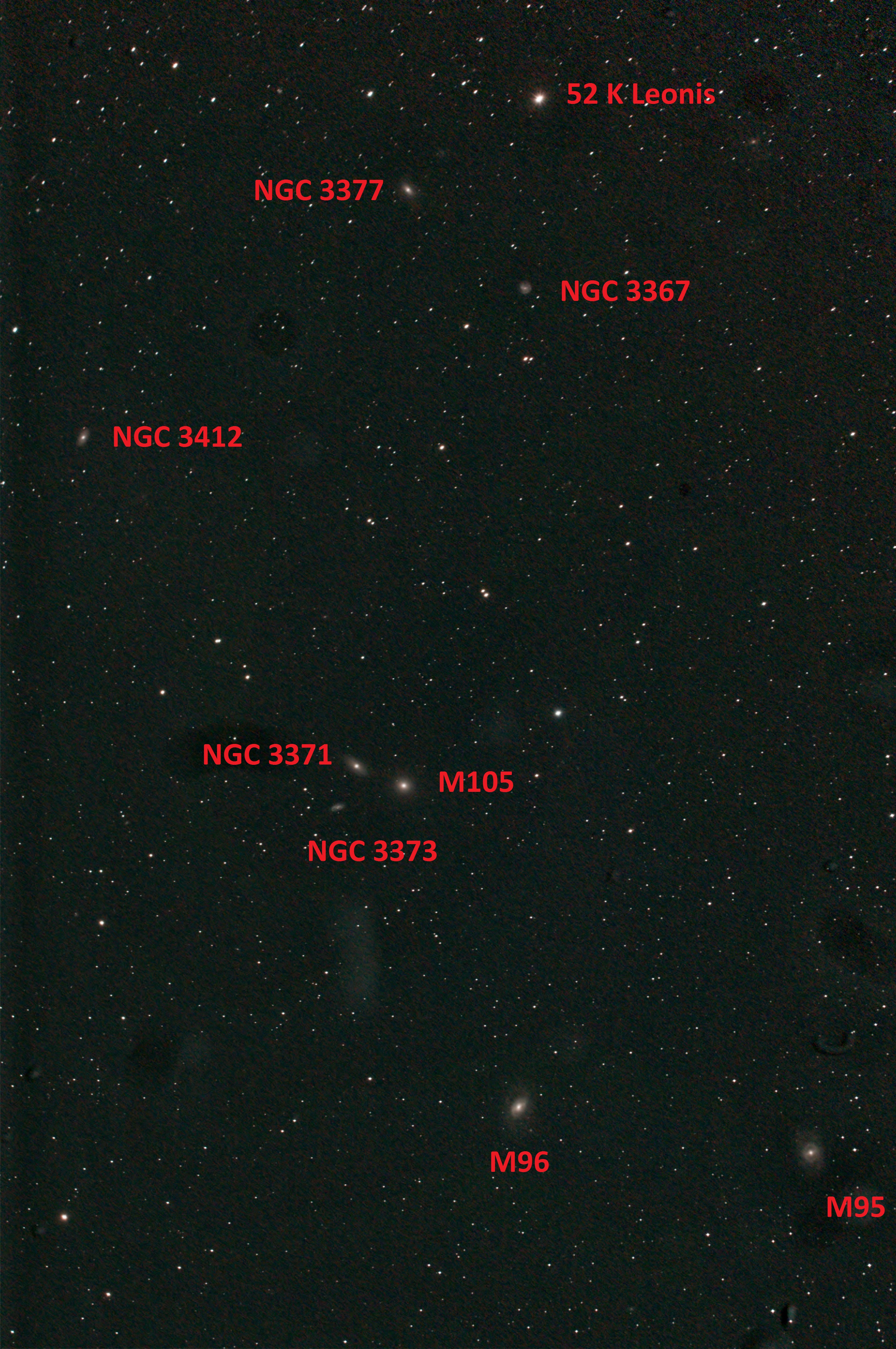
To the west of the Leo Triplet, in the direction of Leo’s dominant star Regulus, is another triple collection of galaxies called the M96 Group.  While a little fainter that the Leo Triplet, the M96 Group nonetheless makes a wonderful image accompanied, as it is, by numerous other galaxies and stars.  Of the latter, the giant orange 52 K Leonis star dominates the scene.

M69 Group: M105, NGC 3373 & NGC 3371 + other galaxies and orange giant 52 K Leonis WO GT81 + modded Canin 550D & FF | 10 x 180 secs & calibration @ ISO 1,600 @ 21st February 2015

M96 Group: M95, M96, M105, NGC 3373 & NGC 3371 + other galaxies and orange giant 52 K Leonis
WO GT81 + modded Canon 550D & FF | 10 x 180 secs & calibration @ ISO 1,600 @ 21st February 2015

It’s fair to say that the results of my big cat hunting around the constellation Leo have been a pleasant and successful surprise, with further promise still to come as Spring develops.  Watch this space!

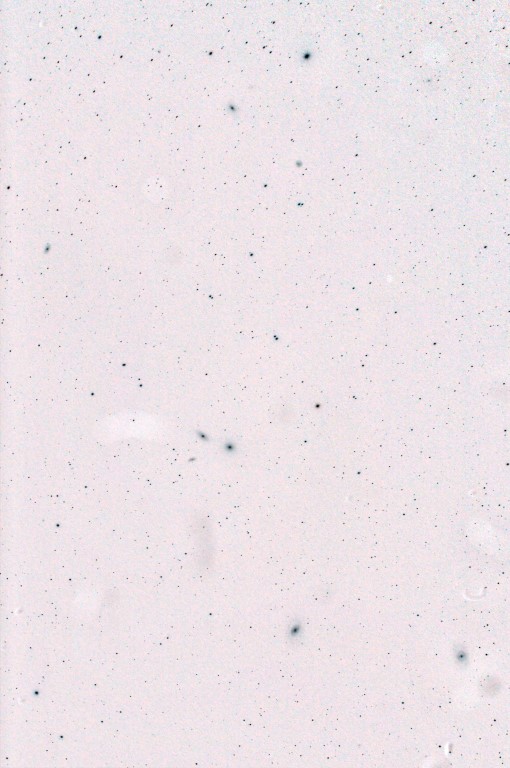
Inverting the M96 Group image helps show better the galaxies and other significant features.

Inverting the M96 Group image helps show better the galaxies and other significant features.

Parting Shot

I thought I was finished with Orion for this winter but a high pressure system and clear weather provided an unexpected opportunity on Sunday evening that I couldn’t resist.  The good news: as Orion is passing the Meridian by 8.00 pm it provides an early start.  The bad news: being near Gatwick Airport, at this time of the evening the sky is full of aeroplanes at Fairvale Observatory, most of them flying directly through the Orion field of view!

With such good weather, I also decided to try out computer control for the first time.  I installed EQMOD before Christmas and have since been reading and watching tutorials on its use and experimented operating with it indoors.  Frankly I am somewhat intimidated by the large collection of software that is required to go to the next level with imaging and EQMOD is just the first step.  However, eventually I just have to do it and this would be the night to start!

EQMOD is a software project written and run by enthusiasts which provides computer control to the mount, thus dispensing with the SynScan handset. It also does much, much more and in general provides far superior control and flexibility, in particular linking control with a chosen planetarium programme – usually either the excellent Stellarium or Carte du Ciel, all of which is free!

Notwithstanding, I still have the major problem of polar alignment as my house completely obstructs all views of the northern sky. For the moment I adopted a belt-and-braces approach, first achieving polar alignment using the SynScan routine before switching to EQMOD control; once comfortable using EQMOD I plan to try out alignment software called Alignmaster, which I hope will allow me to completely dispel with SynScan.  On this occasion EQMOD worked a treat.  For alignment, just clicking on the object you want to see in the planetarium software (with which EQMOD is linked), the telescope slews and after accurately aligning the scope with the star you press a sync button. It’s so quick that it is easy to rapidly establish five or six (or more) star alignment points, thereby constructing a triangular matrix from which the mount can then track more accurately.  There are many other features I have yet to use but so far I like what I see and am in awe of those who have written and maintain the system.

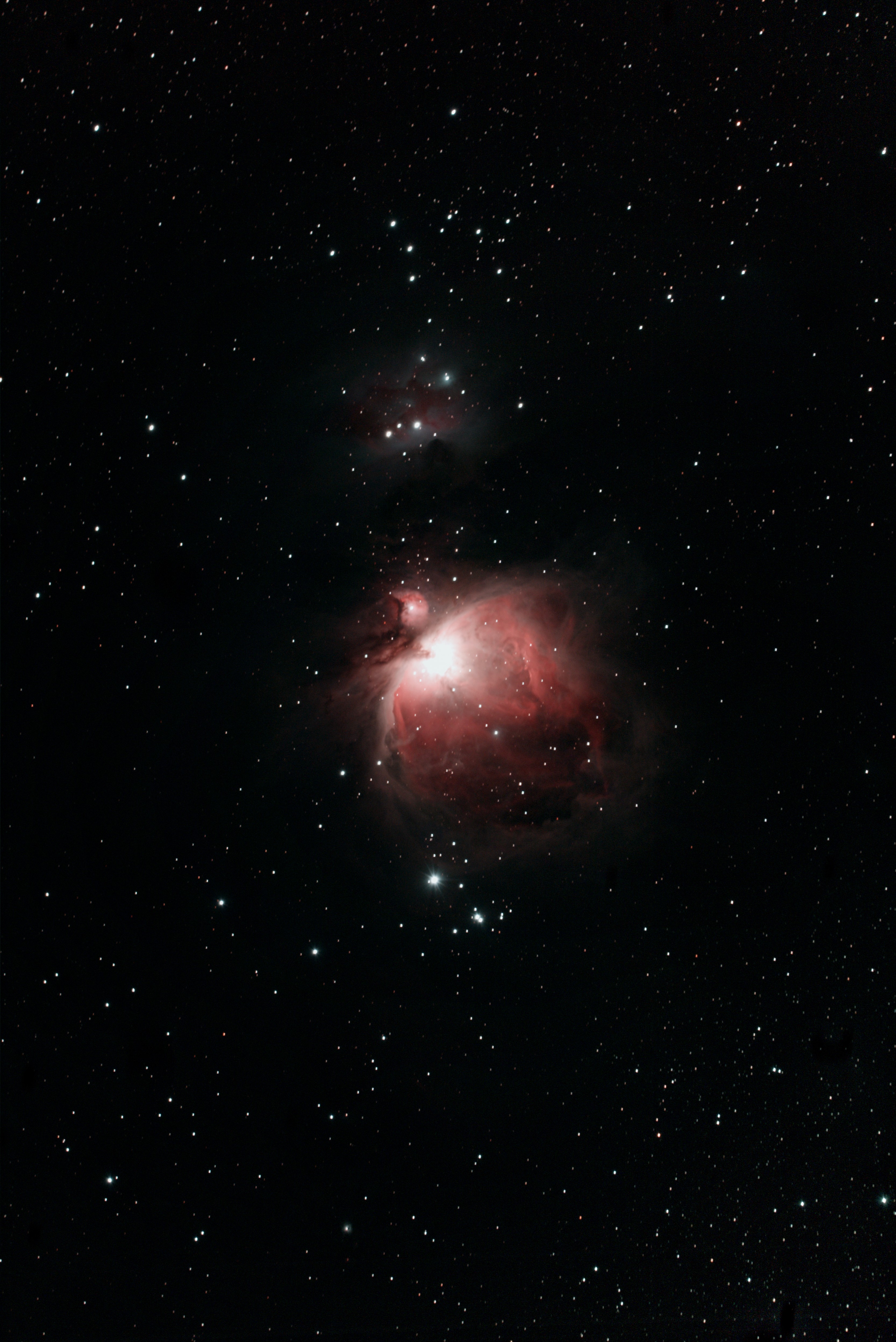
With EQMOD computer control thus established successfully, I set out to image some old ‘friends’ in Orion.  Having only recently acquired a modded Canon 550D, it seemed only right to take another look at M42 the Great Orion Nebula and The Flame and Horsehead nebulae.

The impact of modification was immediately evident with M42, it now being much redder than before and with greater detail exhibited in the nebulosity.  The tracking also looked OK, though a few stars looked a little bloated, suggesting there’s still work to do on another day i.e. autoguiding.

Orion's Sword: M42 The Great Orion Nebula, Running Man Nebula & NGC 1981 Star Cluster WO GT81 + modded Canon 550D & FF | 10 x 180 secs @ ISO 800 & darks calibration | 8th February 2015

Orion’s Sword: M42 The Great Orion Nebula, Running Man Nebula & NGC 1981 Star Cluster
WO GT81 + modded Canon 550D & FF | 10 x 180 secs @ ISO 800 & darks calibration | 8th February 2015

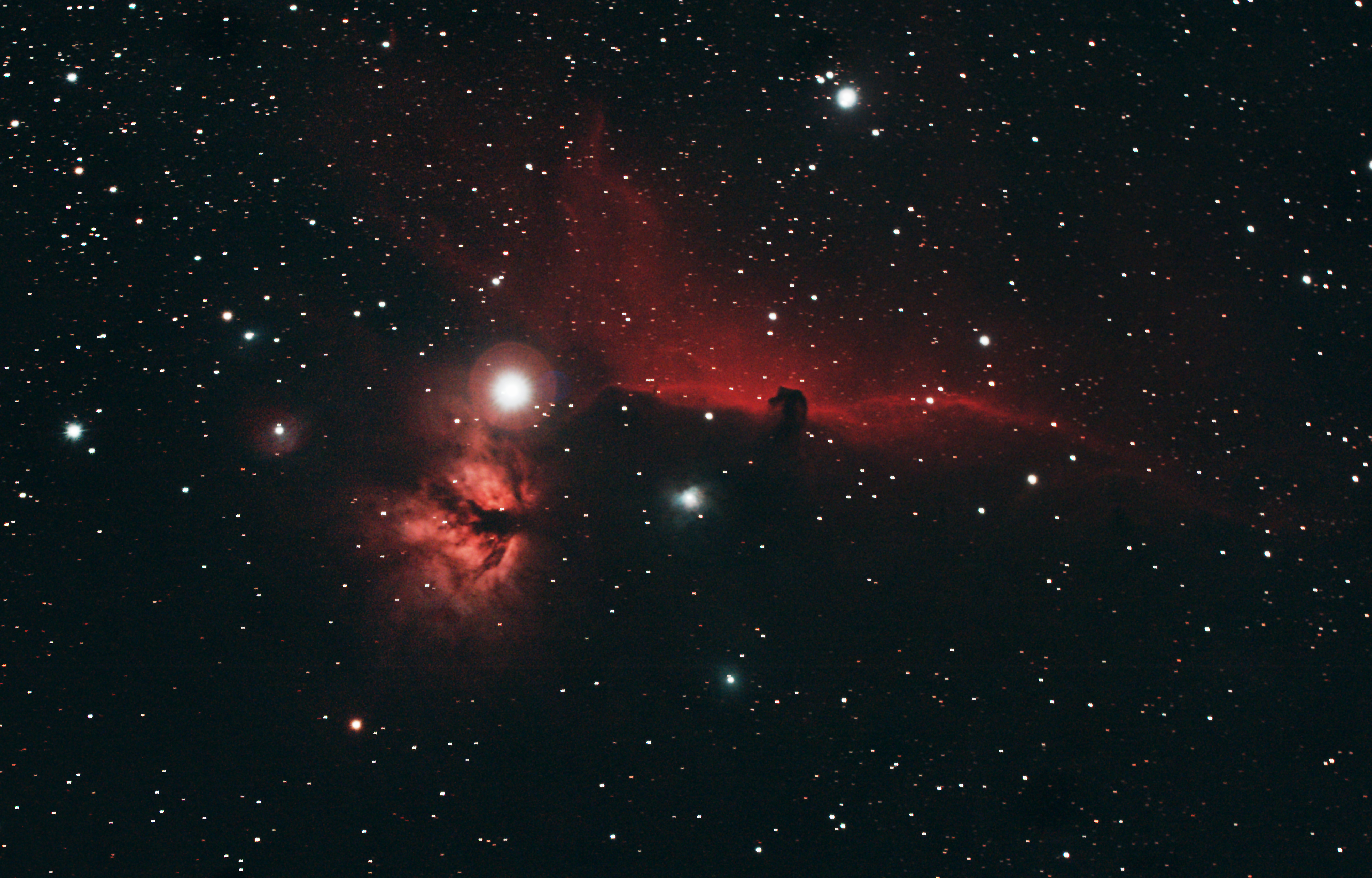
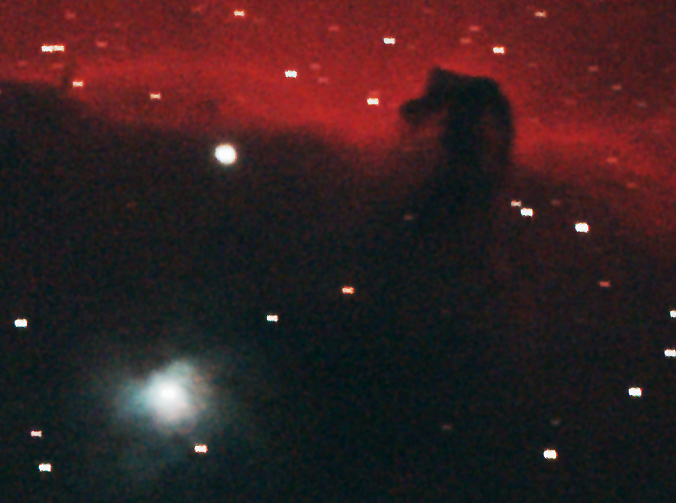
The Flame and Horsehead nebulae also show similar improvements and, in the case of the Horsehead, the actual ‘head’ is much clearer than before.

NGC 2024 Flame Nebula & Horsehead Nebula WO GT81 + modded Canon 550D & FF | 10 x 180 secs @ ISO 800 & darks calibration | 8th February 2015

NGC 2024 Flame & Horsehead Nebula; NGS 2023 relection nebula just below/left of the Horsehead  
WO GT81 + modded Canon 550D & FF | 10 x 180 secs @ ISO 800 & darks calibration | 8th February 2015

With Orion by now well past the Meridian and the weather holding up well I then decided to try my luck once again with Jupiter, which by now is well located high in the south east sky.  Unfortunately like sport, astronomy is a game of two halves.  Following the success using EQMOD my experience with Jupiter was a complete failure.

I had previously encountered significant problems with my webcam last year, that mostly stemmed from problems with the capture software and it was here that I was to stumble (fall more like it) once again.  Initially Firecapture seemed to boot up OK and recognised the camera, though try as I may I could not see Jupiter on the screen; I knew it was there as I had previously centred and focussed it there.  I therefore decided to reboot the software, which was a big mistake.  This time Firecapture would not recognise the camera and on trying to de-bug the problem I ended up with the dreaded ‘black screen of death’.  Here was the downside of computer control, with the black screen going nowhere I also lost all control of the mount!  I therefore retreated to SynScan, parked the telescope and deliberately crashed the computer; I have not yet investigated the problem further since then – watch this space!

It was therefore something of an ignominious end to the evening.  However, I was still buoyed by the earlier success of EQMOD and more than happy with what may be my parting shot of Orion for this winter. Au revoir.

Horsehead Nebula with the NGC 2023 reflection nebula, bottom left

Horsehead Nebula with the NGC 2023 reflection nebula, bottom left

Busy Bees

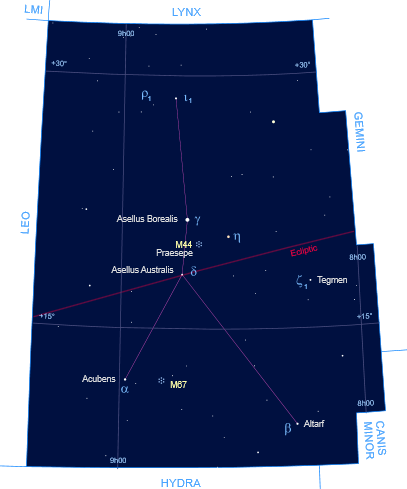
Cancer AKA the Crab, is the dimmest of the zodiacal constellations and generally lacking in notable objects except, at its centre, lying almost on the Ecliptic just 600 light-years from Earth, M44 is one of the closest star clusters to the Solar System.  More engagingly, M44 derives its alternative name from its appearance as a swarm of stars dancing actively like bees i.e. the Beehive Cluster.  Its Latin equivalent, Praesepe means hive, manger or crib.

cancer

At 600 million years old its dancing stars must be considered quite youthful compared to our Sun’s 4.5 billion years and are thought to have been created from the same, very large molecular cloud as Hyades in the constellation of Taurus.  An open cluster of some 1,000 stars, M44 spans 15 light-years across or about 1.5o.  A few but distinctive yellow-orange tinted red giants stand out,  scattered amongst the brighter hot blue stars, making an attractive image, one I expect to return to during the next three or more months as The Crab shuffles westwards across the night sky before giving way to views of a Spring and Summer nature.

M44 The Beehive Cluster. WO GT 81 + Canon 550D & FF | 20 x 120 secs & calibration @ ISO 1,600 | 24th January 2015

M44 The Beehive Cluster
WO GT 81 + Canon 550D & FF | 20 x 120 secs & calibration @ ISO 1,600 | 24th January 2015

Flip Flop

Another night, another lesson learned, the hard way.

A good, clear sky on Saturday meant the prospect of a long and productive imaging session before the frost came down.  Whilst Orion has now moved to early evening, the light pollution from Gatwick airport to the south is bad at that time, so I’ll grab what I can but later is better when the light pollution starts to subside; from experience I presume they start to turn off the airport lights gradually from about 10pm, so that by midnight the sky is noticeably darker and much better for astronomy – though nothing like a true dark sky.  I therefore look more to the south east at about 8pm to line up potential imaging targets for about one to two hours later when objects will be  located at their best position, towards the Celestial Meridian and preferably high in the sky; such a location reduces the thickness of the atmosphere and improves tracking accuracy as the telescope’s angle with the object is less extreme.  At the moment this means something in or around the constellation of Gemini and later at night Cancer; Canis Major, Pupis and Hydra also fit the bill except for one critical problem, they are too low in the sky and are mostly obscured by houses and trees, grrrrr!

sky-06h00

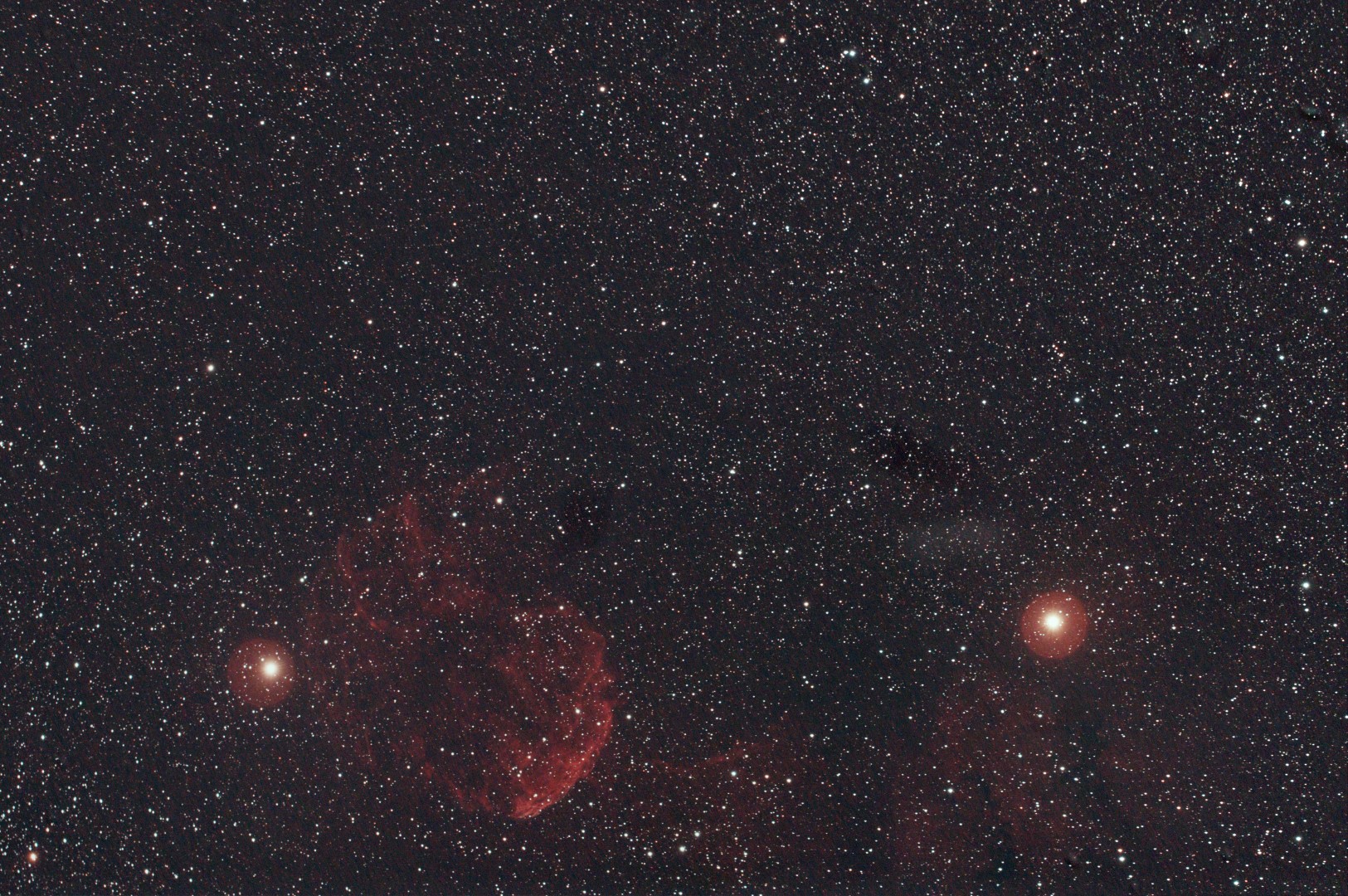
Having imaged three, mostly easier objects earlier in the evening, at about 10pm I then turned my attention to something more challenging.  Though large at some 100 light-years in diameter, the wonderfully named Jellyfish Nebula in the Gemini constellation (not far from the M35 open star cluster), with an apparent magnitude  of +12 is quite faint and would be difficult to photograph.  Notwithstanding, my first test image showed it was already in my field-of-view, though as anticipated faint, which I then set about adjusting to optimize its position within the frame before starting imaging.  In this regard two bright, dominant stars flank the nebula – to the left or East, Tejat Posterior and to the right or West, Propus – thus assisting on screen identification and the approximate position of the nebula on the camera’s sensor.

At this time the nebula was very close to the aforementioned Celestial Meridian and it was clear that during a 1-hour imaging run would actually cross the Meridian, thus requiring a so called ‘Meridian Flip’.  When setting-up the EQ-mount and telescope at the start, it is essential that they are aligned parallel with the Celestial Meridian in order that the mount and scope will then exactly track the movement of the night sky during subsequent viewing or imaging.  However, due to the physical nature (internal gears) and resulting constraints of the mount and tripod, as tracking proceeds from east to west and eventually encounters the Celestial Meridian, it is necessary to carry out a Meridian Flip, manually or automatically.  Such a flip requires that the mount and thus telescope and camera are swung from the west side of the tripod to the east, thereby ensuring that in continuing to track the object as it proceeds westwards they do not come into contact with the tripod.

Using the guide stars of Tejat Prosper and Propus to mark the East and West limits of the nebula and expecting the bulk of the other associated nebulosity to extend upwards, I positioned the stars towards the bottom of the frame.  However, the nebula had by now crossed the Meridian and the telescope and camera was switched (flipped) to the other side of the mount before I completed framing.  In-so-doing and, in my defence operating in the dark, I had overlooked that as a consequence of flipping across the Meridian, the camera had been inverted.  Oblivious to this change of the camera’s attitude, I continued to frame the stars and thus hopefully placing the nebula towards the bottom of the image, when instead I should be moving them towards the top of the frame as the camera was now upside down.  The result was that the final image unfortunately misses some of the associated nebulosity, though thankfully not the Jellyfish itself.

IC 443 The Jellyfish Nebula with Propus to the left and Tejat Prosper to the right after inverting the camera.  As a result much of the considerable interstellar cloud illuminated by interaction with the nebula is outside the  bottom of the image. WO GT81 + Canon 550D + FF | 20 x 180 secs @ ISO 1,600 + calibration | 24th January 2015

IC 443 The Jellyfish Nebula, with Propus to the left and Tejat Prosper to the right after a Meridian Flip inverted the camera before framing.  As a result much of the interstellar cloud illuminated by interaction with the nebula is lost outside the bottom of the image.
WO GT81 + Canon 550D + FF | 20 x 180 secs @ ISO 1,600 + calibration | 24th January 2015

The Jellyfish Nebula is considered to be the remnant of a supernova that took place between 3,000 and 30,000 years ago and is now interacting with surrounding molecular clouds.  Like similar supernovae such as M1 the Crab Nebula, the Jellyfish also harbours a neutron star within, indicating a collapsed stellar core.  The main Jellyfish is some 100 light-years across and 5,000 light years away from Earth.

IC-443 Jellyfish Nebula,  correctly orientated Propus is now to the right.

IC-443 Jellyfish Nebula, correctly orientated Propus is now to the right.

The denser, though still delicate nebulosity of the main ‘Jellyfish’ feature, is located immediately east of Prospus but most of the entire field between the two aforementioned stars and an equal area above is also occupied by extensive, though more faint nebulosity – it was this which was lost in my final image due to the framing error noted above.  Even with the new modded camera and 180 second exposures at ISO 1,600, the sensor has struggled to capture all the light but I am fascinated and pleased nonetheless with the result.  A better image of IC-443 AKA the Jellyfish Nebula will have to wait until I am able to undertake much longer exposures, which I hope to do one of these days soon.  In the meantime, I will be more aware of the Meridian Flip and its associated problems.
Seeing Red

It was towards the end of last year I realised what I was missing in my images. Hydrogen alpha (Ha) is a deep-red spectral line created by energised hydrogen gas, with a wavelength of 656.28nm, such light is a dominant feature of emission nebulae. However, terrestrial cameras are made with an infra-red (IR) filter placed over the sensor in order to achieve the red-green-blue colours that typify what the human eye see as life on Earth.  Unfortunately by filtering out some of the red wavelengths this has a negative impact on DSO astroimaging, as it will block the aforementioned Ha light. The result is that imaging such Ha features with a DSLR camera, as I have been doing with a Canon 700D, can significantly reduce the colour and even detail – in some cases where Ha is the principal light source the camera sensor may almost completely fail to register the object at all.

I had been aware of this problem from the outset when I purchased the Canon 700D but decided to make-do in order to see, (a) how I got on, and (b) if I even liked astrophotography.  Nearly one year on and maybe I made a mistake then but I also enjoy using the camera for terrestrial photography.  Here’s the catch: to improve the camera’s sensitivity to Ha it is necessary to remove the IR filter, to become what is then known colloquially as a modded camera, however, in doing so the camera becomes useless for terrestrial photography. Removing the IR filter allows more red light wavelengths to reach the sensor and, as a result, terrestrial pictures then acquire an overall pink-red hue! There are some ways round this but, as always with implications – but it was now clear I needed a modded camera.

There are three basic ways to ‘restore’ a modded camera for terrestrial use:

  1. Adjust the custom white balance – each time the white balance needs to be set manually, depending on the type of prevailing light and subject. It will work but, in my opinion, makes the process of day-to-day photography something of a chore and certainly reduces the scope for spontaneity, something I like when I am out-and-about photographing.
  1. Restore the colour balance during post-processing – basically this requires adjusting each photograph individually using processing software, such as Photoshop, to remove excess red that is reaching the sensor without the IR filter.
  1. Use an OWB (Original White Balance) filter – like the CLS light pollution filter I already use, this filter fits snuggly in front of the mirror / behind the camera lens (if fitted) and essentially acts like the original IR filter that has now been removed for astrophotography. Although quite expensive, this is by far the most convenient solution but there’s a problem: the back-focus section of the standard Canon EF-S lens I use is too long to accommodate the filter. An EF or other manufacture’s lens would overcome this problem (at further expense) and I was about to go down this route when serendipity paid a visit.

Not to be taken literally, but sometimes I would rather be lucky than smart.  Whilst researching the aforementioned issues and seeking out other possible solutions, such as purchasing an already modded camera, I registered on the excellent Astronomy Shed forum and posted a question on how to deal with my problem. By the next morning, together with other advice on how to proceed, my attention was drawn to a Canon 550D for sale that had just been posted on the forum that very moment.  Furthermore, the price was good and the seller would modify the camera for a small charge; it requires a degree of expertise to carry this out but, as a professional photographer with an interest in astronomy, the seller had undertaken this successfully many times before, though I obtained references to be sure.  Therefore, after a few online exchanges, I became the new owner of a modified Canon 550d camera, together with some other bits and pieces – leads, intervalometer and a Canon battery grip.

Apart from the fact that this was a good camera, at a good price, it had one other very useful attraction – it is a close relation of my other camera, the Canon 700D (about three years older in development terms) and thus I immediately knew my way around and, furthermore, all my existing accessories would fit.  Like I said, I had just got lucky – in more than one way.  It’s early days but, with a clear sky last Friday and plenty to image at the moment, I just had to try it out and was not disappointed.

Rosette Nebula WO GT81 + Canon 550d (modded) + FF | 15 x 120secs @ ISO1,600 + darks/bias/flats | 16th January 2015

Rosette Nebula
WO GT81 + Canon 550d (modded) + FF | 15 x 120secs @ ISO1,600 + darks/bias/flats | 16th January 2015

The evening’s targets were Comet Lovejoy, The Rosette Nebula and the Great Orion Nebula, of which the latter two showed off the camera’s new capabilities best. The difference was there to see immediately with the images straight out the camera and stacked, with a noticeable increase of red colour present.  The benefit after post processing is perhaps more subtle but, I suspect, will become more apparent when I move on to objects where Ha is more abundant, such as NGC 2264 AKA The Christmas Tree Cluster & Cone Nebula, which when imaged just before Christmas showed just what I was missing – a shortage of red light and thereby significant detail of these beguiling astronomical objects.  Hopefully this issue will now become a thing of the past and in the future I will be literally seeing red, for all the right reasons.

M42 & NGC 1977 After DSS stacking only WO GT81 + Canon 700D (unmodded) + FF | 15 x 120secs @ ISO800 darks/bias/flats

M42 & NGC 1977 After DSS stacking only
WO GT81 + Canon 700D (unmodded) + FF | 15 x 120secs @ ISO800 darks/bias/flats

M42 + NGC 1977 After DSS stacking WO GT81 + Canon 550D (modded) + FF | 5 x 120secs @ISO1,600  + darks

M42 + NGC 1977 After DSS stacking
WO GT81 + Canon 550D (modded) + FF | 5 x 120secs @ISO1,600 + darks

The above stacked, pre-post processing images are the same objects shot with unmodded (Canon 700D) and modded (Canon 550D) cameras, showing a marked increased in red light using the modded camera following the removal of the IR filter. Below, the same images after post-processing.    

Final, post-processing image from unmodded camera

Final, post-processing image from unmodded camera

Final, post processing image using modified camera

Final, post-processing image using modified camera