I have just finished reading Chris Hadfield’s excellent book An Astronaut’s Guide to Life on Earth, which is an entertaining and insightful look at being an astronaut and the lessons it provides for life in general. Who of us has not at least considered such an adventure ourselves but, of course, it is impossible for all but a few.

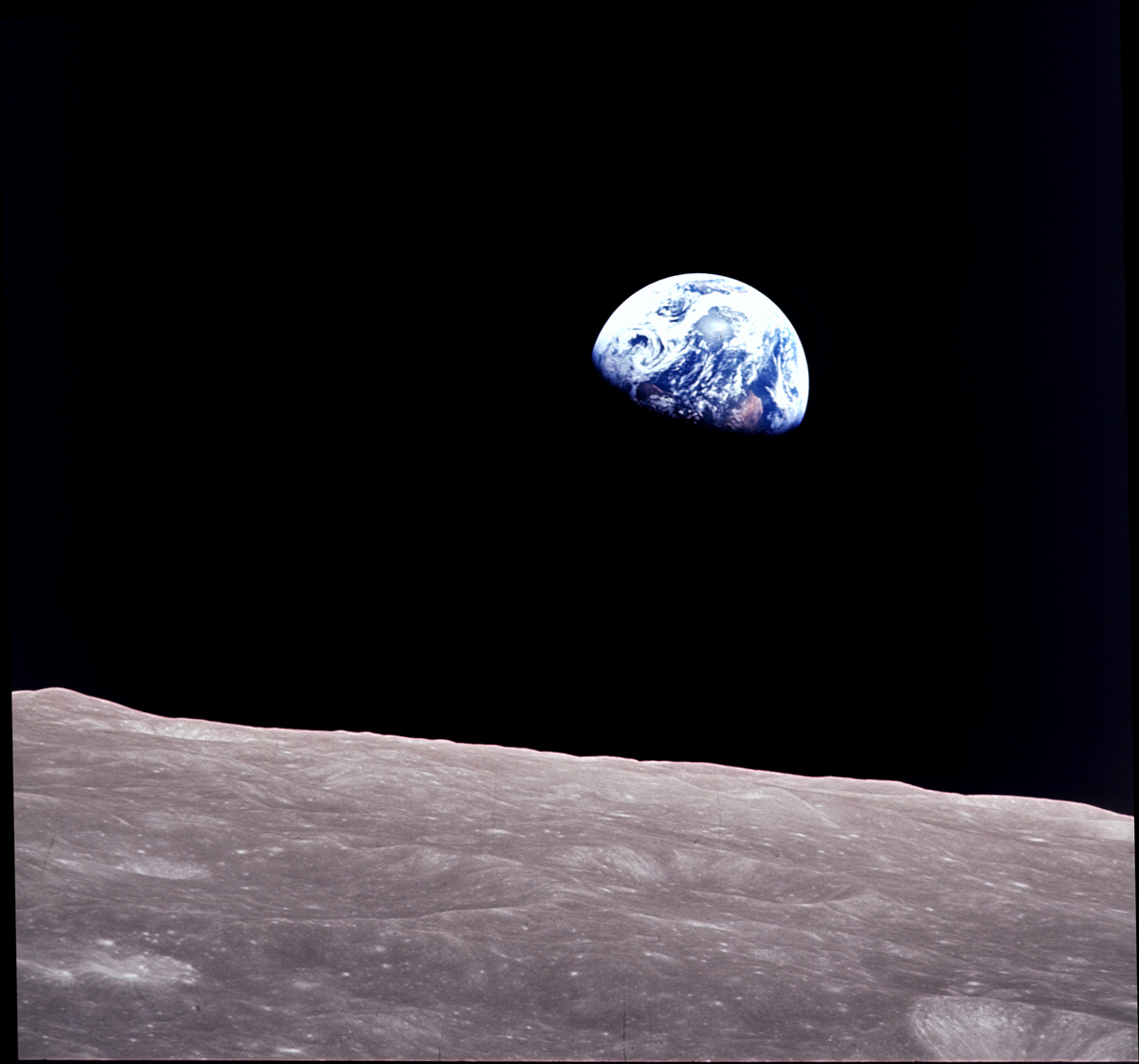
Astronomy is thought provoking enough in itself looking out at the vastness and beauty of the Universe, being in space and looking down on our planet would take such thoughts to a whole different level; from their subsequent accounts it is clear that those who have walked on the Moon became changed people, returning different to the rest of us.
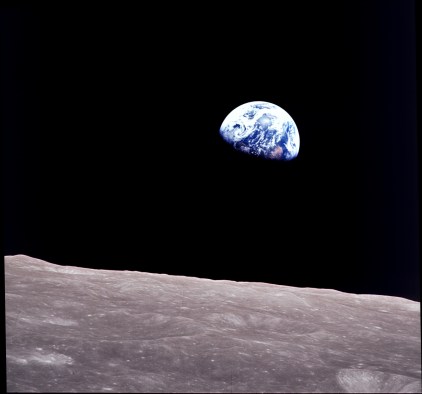
Ever since following the pioneering space adventures of Yuri Gagarin and Alan Sheppard and especially watching the Apollo 11 Moon landing in 1969, I have been fascinated by space, its science and the human experience of travelling there. My solution to going into space was to take up scuba diving and since 1976 have had many wonderful diving experiences all over the world. Of course, it’s not space but it is very much other worldly and the weightless feeling is as close as most of us will get to being in space; the astronauts train extensively underwater for just that reason. Furthermore, as a geologist and more recently taking up astronomy has altogether provided me with a better understanding of the Universe.

Maldives, Kandooma 2004: the closest I’ll get to space!
Given my long standing interest in space, it is perhaps surprising that I came late to astronomy itself, so why now? The best answer is time – in recent years I have had more of it and in the past work, family and extensive travel precluded such a pastime. Like so many sciences in the modern era, technology has also unlocked major new opportunities for scientists and amateurs alike. Whilst I enjoy the science itself and especially viewing the night sky, the ability to produce frankly incredible images has been the most important key to my recent personal interest.
The phenomenal imaging improvements that have occurred since the launch of Hubble have made the power and beauty of the Universe even more accessible to us all on Earth. Digital image capture and processing is now so powerful that pictures of hitherto unimaginable quality can be achieved from Earth. Furthermore, for a relatively modest cost outlay, such images can be obtained by amateurs like me, literally outside my back door. More than any other development, this is what has now engaged my interest. The product of astroimaging can easily be overlooked as just an attractive, often spectacular photograph of the night sky – and they are. But the equipment and pictures produced are also important tools that can assist our understanding as well as imagination of space.
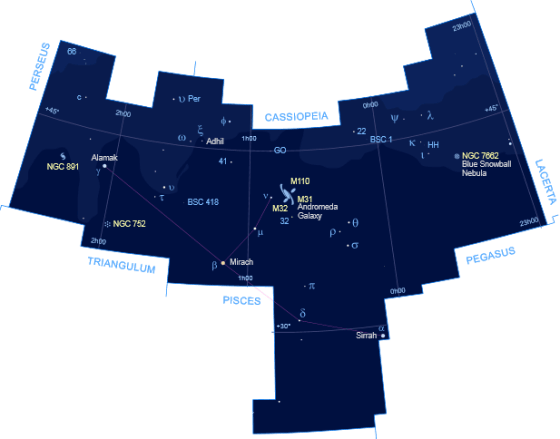
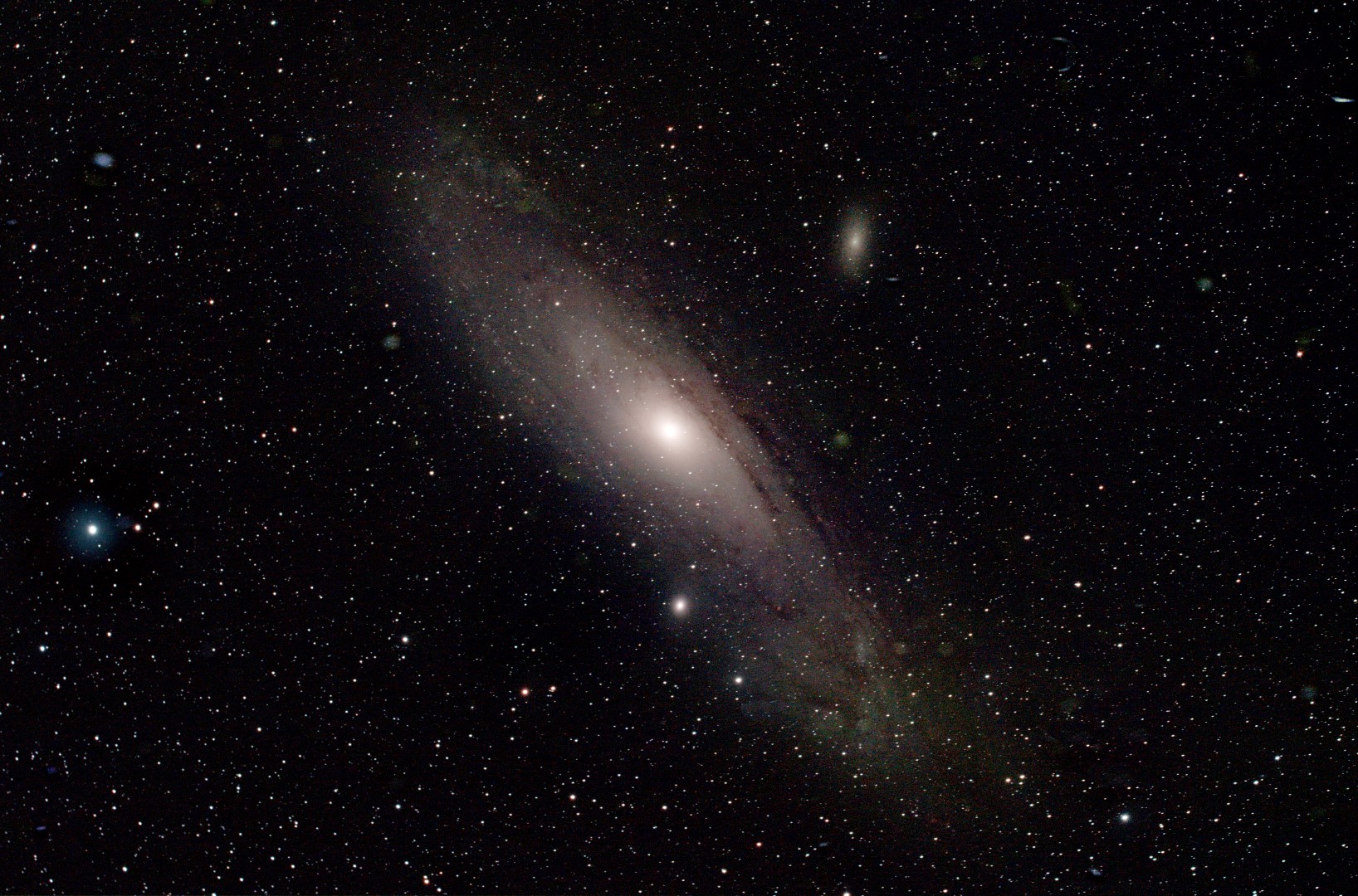
After a forced absence from astroimaging for the past six months, I was recently fortunate to obtain a number of exciting pictures of familiar objects on my first night back, in particular M31 or the Andromeda Galaxy. As the nearest galaxy to Earth, Andromeda is an obvious target for those new to astroimaging but despite its proximity, it is not to be underestimated as an imaging target. I have attempted imaging M31 before but, like many others, found it very difficult to coax out the detail which makes it such a beauty. I am not completely sure what was different this time but the resulting picture at last starts to capture these details; I was even more surprised at the outcome which is the result of just nine 120 second exposures at the end of a long night before heading for bed!
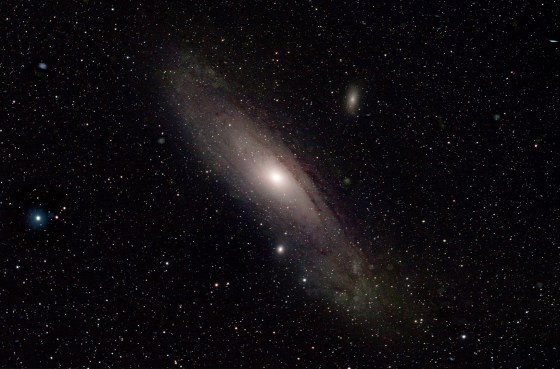
M31 Andromeda Galaxy
WO GT 81 + modded Canon 550D + FF | 9 x 120 secs @ ISO 1,600 | 19th September 2015
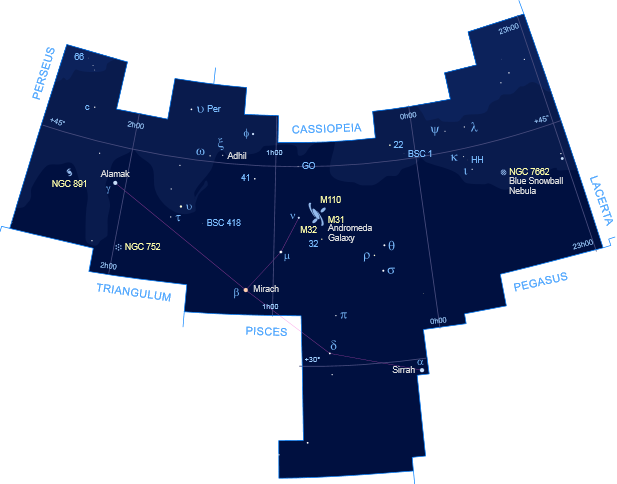
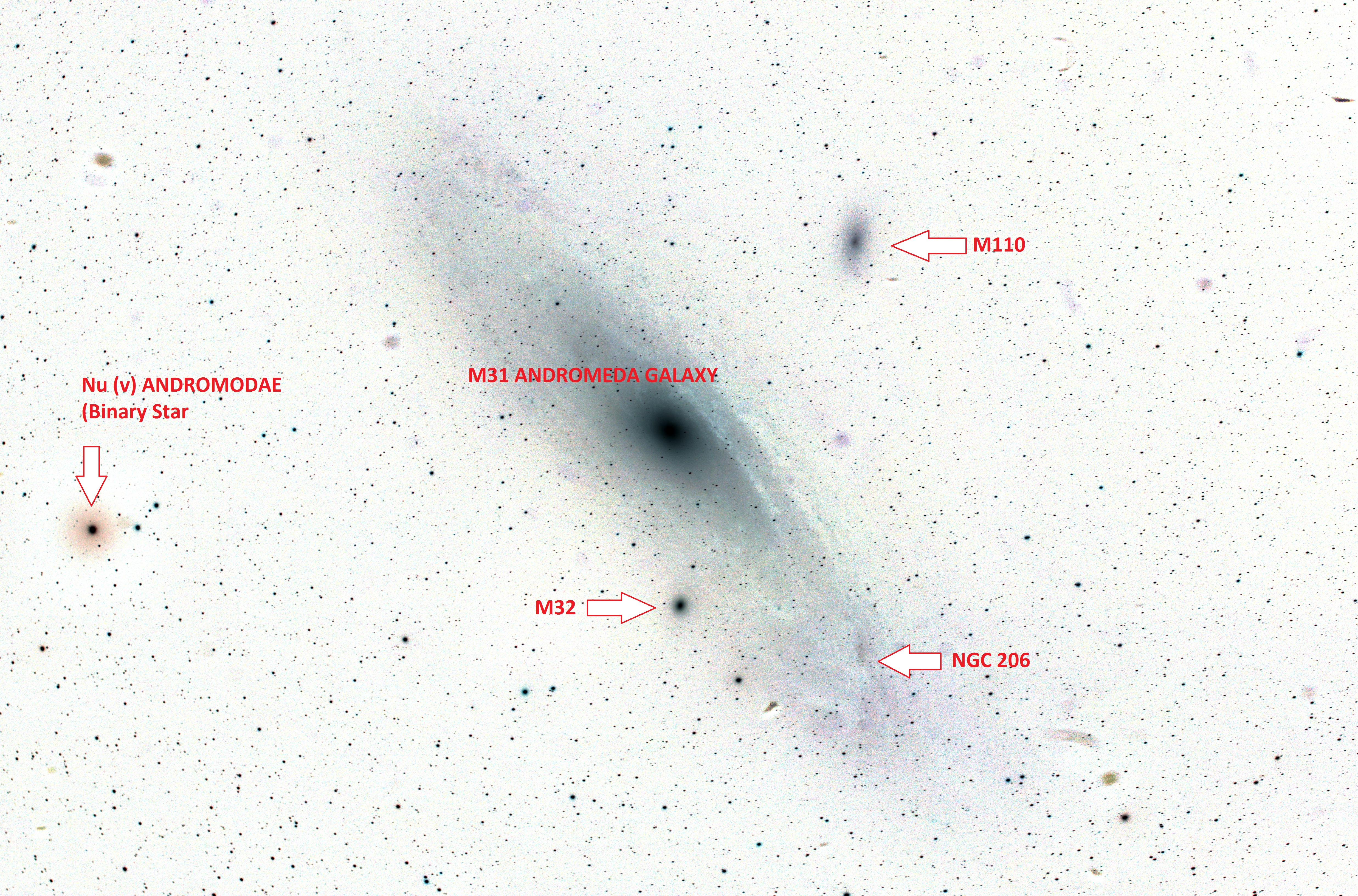
Andromeda poses two main challenges for the photographer: (i) the contrast in brightness between the central area and the rest of the galaxy, and (ii) the need to show the brown dust bands within the main disc, which provide a fascinating insight into the galaxy’s overall structure – that is not unlike out own Milky Way. The classic technique is to use two sets of images, with camera settings appropriate to the two contrasting areas, subsequently bringing them together during post-processing. Despite the limited number of prime focus images taken the final picture achieved still came out well. Though the bright central area is overexposed, the galaxy’s dust bands are clearly evident and for the first time have captured the full character of this magnificent feature. Furthermore, within M31 the NGC 206 is evident, a star formation region of over 300 new stars, whilst in the adjacent sky two other Messier galaxies are shown in the image M32 and M110.

M31 Andromeda Galaxy: inverted & annotated
I think it is correct to say that the Andromeda Galaxy is one of the iconic images of the night sky and I feel obtaining such a picture marks another notable point in my personal space odyssey. I would hope Chris would approve, as well as Major Tom?

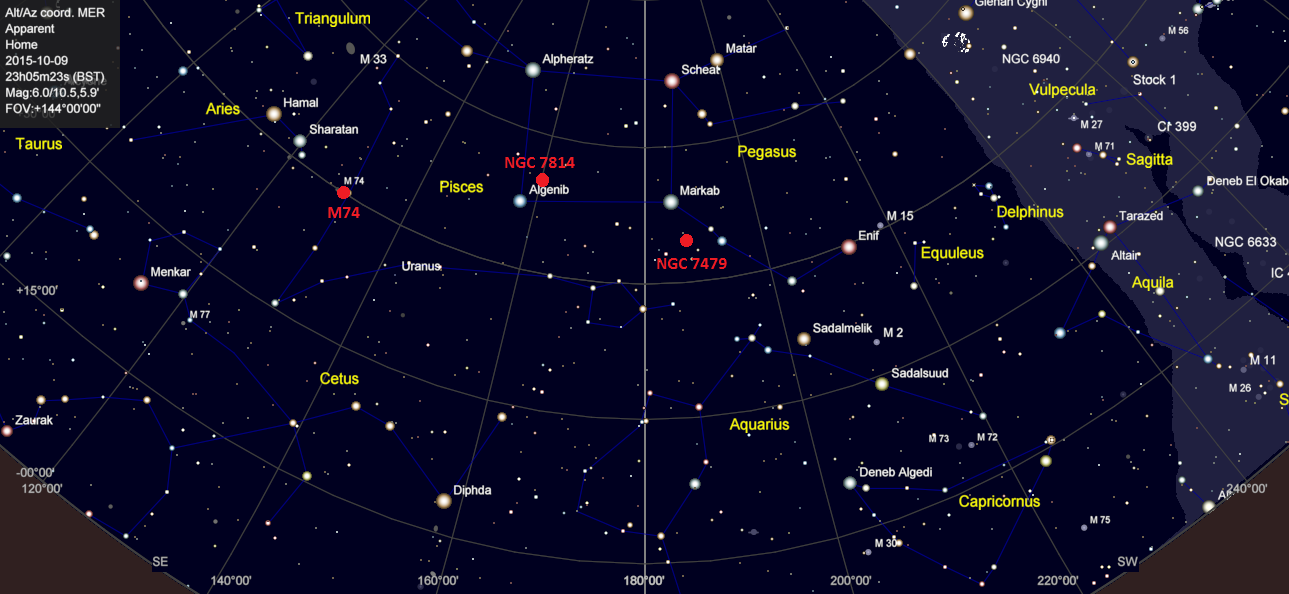






 WATCH THIS SPACE(MAN)
%26rotation%3d-179.5336144%26name%3dIC1318%2b300915%2bFINAL%2b(Large)%26reverseparity%3dFalse%26scale%3d7.10589068325%26thumb%3dhttps%3a%2f%2ffarm1.staticflickr.com%2f624%2f22151786542_f8063ab793_q.jpg%26ra%3d305.859018599%26y%3d540%26x%3d811%26dec%3d40.3758467471%26wtml%3dtrue)