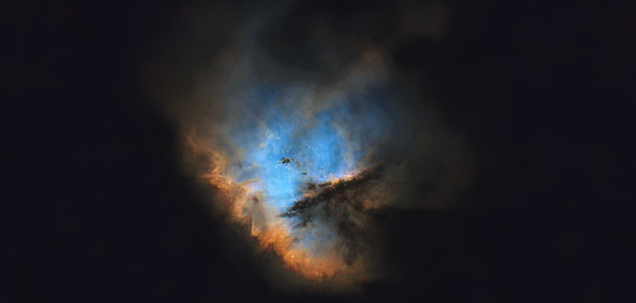
I am currently halfway through an Open University course on moons. Truth be told, after a less than satisfactory OU course on Orion (actually more a beginner’s guide to the Universe) recently, I had not intended to enrol for the moons course but at the last moment signed up. In comparison, the experience this time has been outstanding: the quality, content and organisation of the course has been exceptional and moons have turned out to be much more interesting than I had expected.
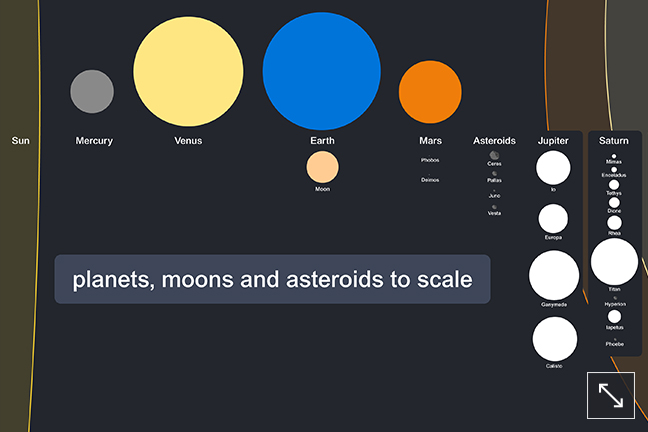
The combination of space travel and much improved earth-based astronomy, has recently led to an explosion in our knowledge of and about moons. As a result there are now at least 176 known moons in the Solar System, with every possibility that this will continue to grow. I have been surprised to learn that the largest moons even exceed the size of some planets. Numerous space missions have provided amazing close-up pictures which show that many of these moons are far more interesting than previously thought, often with the presence of liquid which may even host life and in some cases volcanic activity is evident, including so-called cryo-volcanism – which is a new term to me.
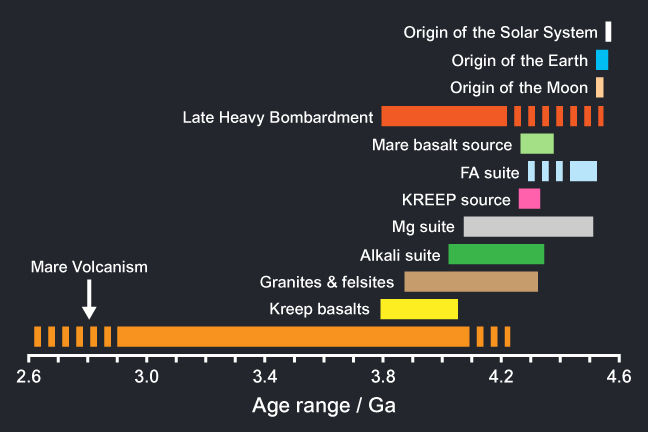
Geological History of the Moon
Since starting DSO imaging in August I have somewhat neglected the Solar System but as last week we eventually started to study The Moon itself, it seemed like a good time to image our nearest neighbour once again. Being just one day before reaching First Quarter, the detail along the Lunar terminator remains very good and I believe has made a beautiful picture. With the Moon now in its waxing gibbous phase, DSO photography will be ruled out for at least another week, so it’s time to catch up with other matters of astronomy and the like and just enjoy our Moon, clear skies permitting.
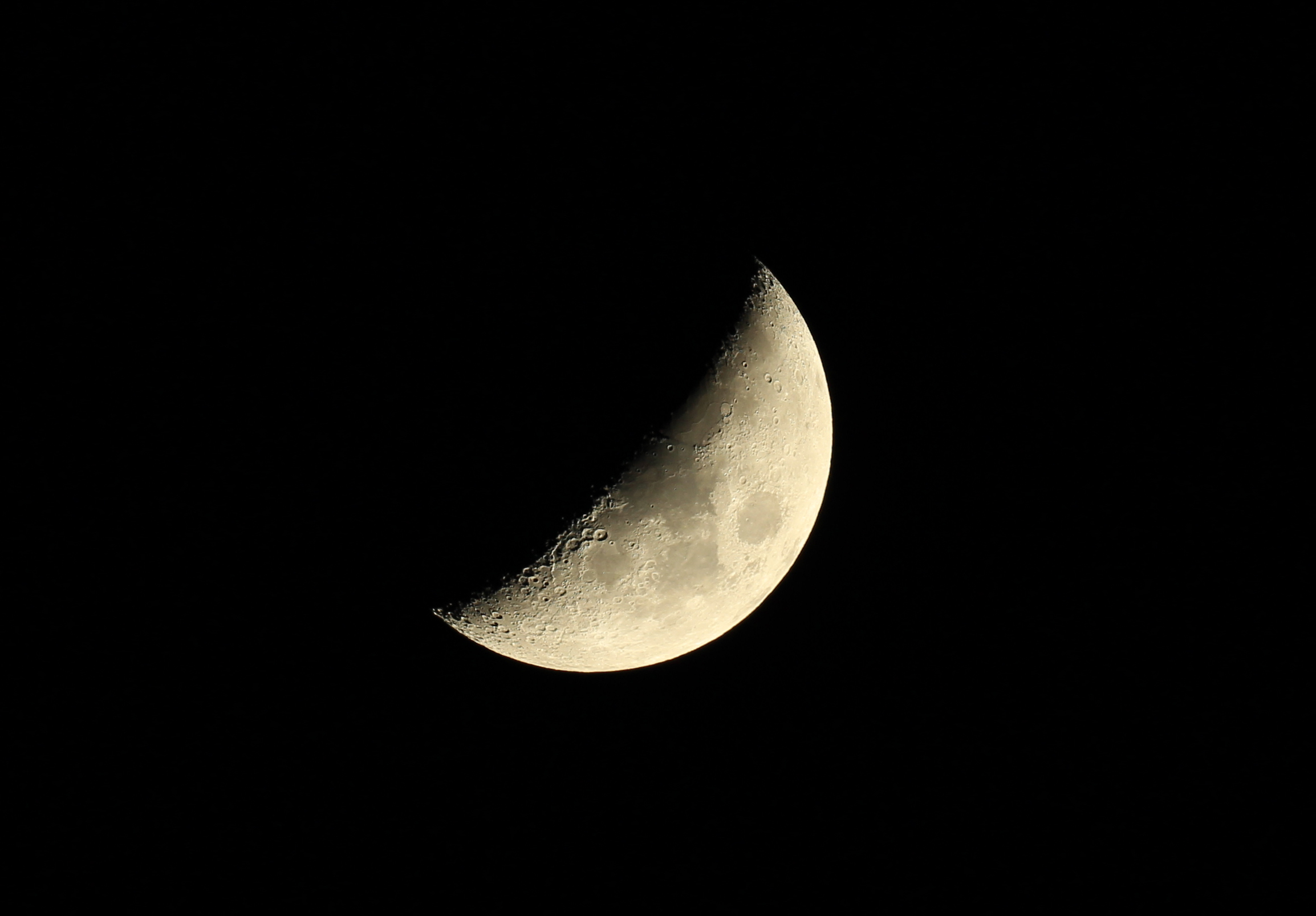
The Moon | WO GT81 + Canon 700D & FF | 1/100th sec @ ISO 100 | 24th February 2014
 WATCH THIS SPACE(MAN)