
With astronomy preparation is everything and so with the prospect of a solar eclipse here today I have been getting ready during the past week. I looked at and imaged the Sun using my Skywatcher 150PL and a bespoke solar filter last year. Whilst I was pleased with the results, such is the field-of-view of the 150PL that the resulting image only covers sections of the Sun and a full picture needs to be created using a mosaic; the upside of this is high magnification and therefore better detail of the Sun’s surface. With the prospect of an eclipse I wanted to try and image the entire spectacle this time and therefore constructed a new solar filter to fit my William Optics GT81 refractor telescope, which has a wider field-of-view and all together better optics that would comfortably image the entire Sun.
Using Baader AstroSolar ND 5.00 safety film and some cardboard, I constructed a tube which fits exactly over the end of the telescope, with the film across the front but not stretched. By restricting wavelengths the film removes about 99% of the Sun’s light and allows safe viewing but is very difficult to work with and must be treated carefully to ensure it is not damaged; birds can be attracted to the film’s silver finish and may peck holes in it when fitted, it is therefore important to be aware of such threats and, in my case, I also constructed a cardboard slip to cover the filter when the telescope is left unattended during use. It is also very important to either block off or remove the guidescope and / or finder from the telescope, which without a filter could otherwise also focus on the Sun and either burn out or even worse, cause personal injury.
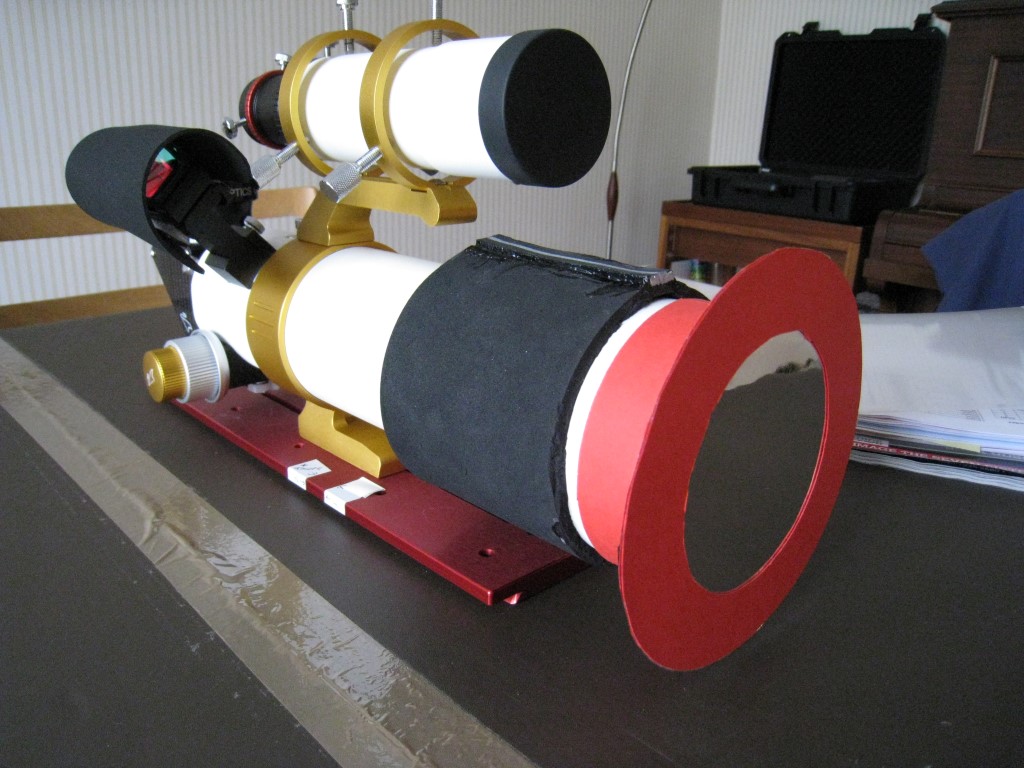
Home-made solar filter on the William Optics GT81. When used I blocked-off the red dot finder and removed the finder scope in order to attach another home-made Sun finder.
The Players: having constructed the filter and with a clear sky on Wednesday I therefore tried it out and furthermore experimented with exposure settings, with good results. Earlier in the month I had captured an excellent image of the quarter Moon too. So I was ready to go, right? Wrong!
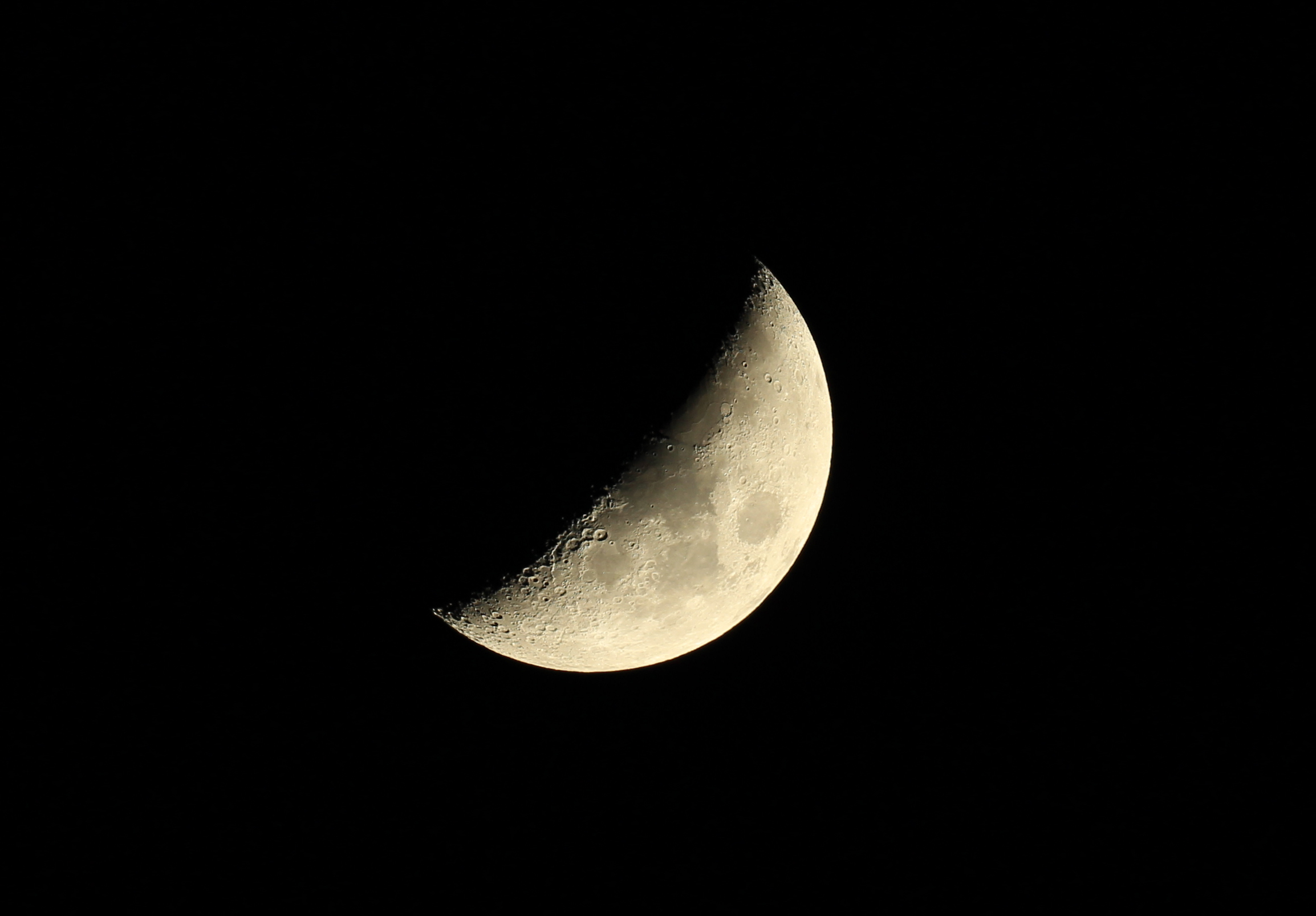
The Moon @ First Quarter | WO GT81 & Canon 700D + FF| 1/100th sec @ ISO 100 | 24th February 2015
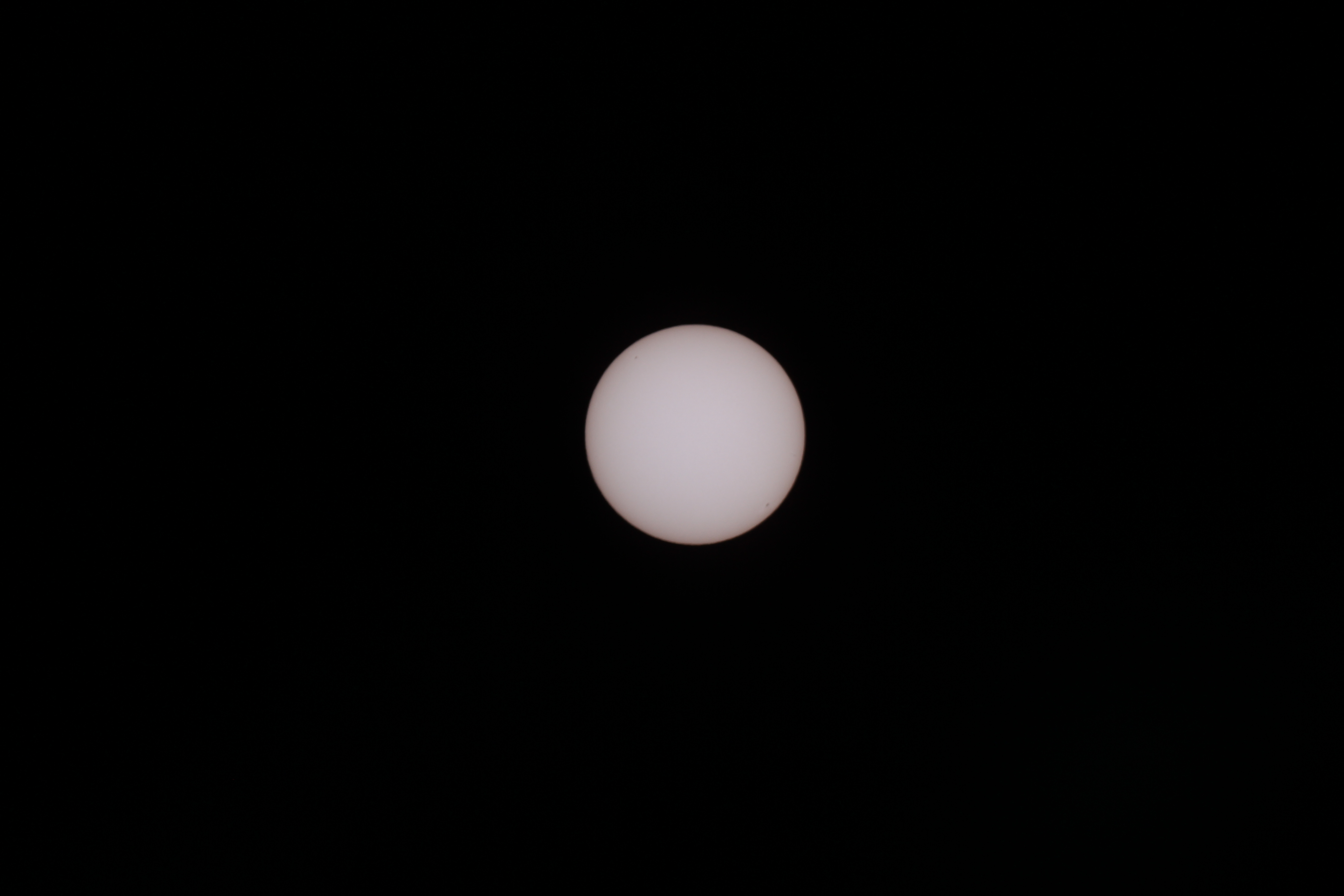
GT81 + Canon 700D & Baader ND 5.00 Solar Filter
1/500th sec @ ISO 100 | 18th March 2015
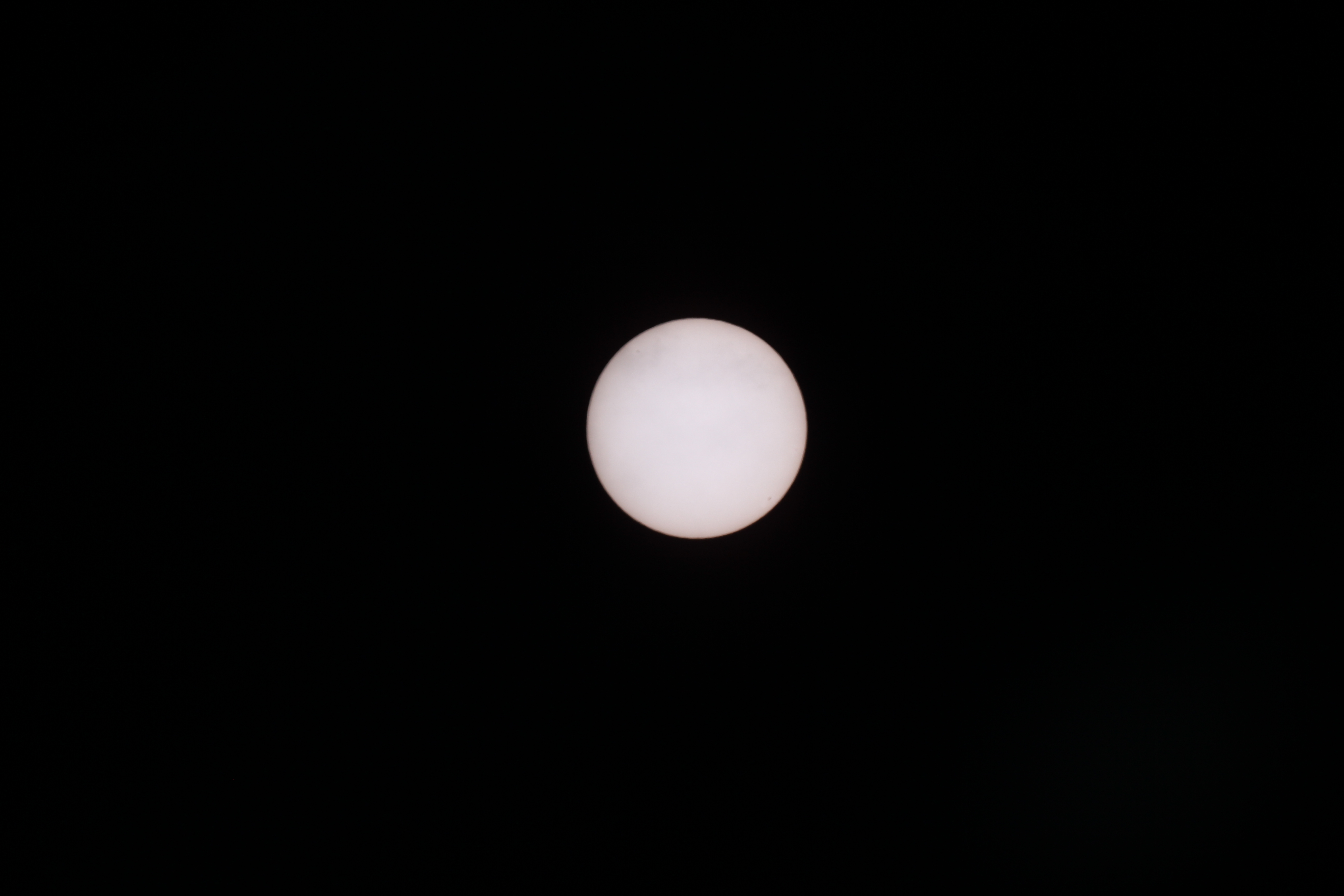
The Sun
1/250th Sec @ ISO 100 | 18th March 2015
Despite my best planning it was cloudy here at Fairvale Observatory this morning, something that has been proving a major obstacle to any astronomy all this month. Notwithstanding, I have instead experienced an ‘alternative eclipse’.
First, I recorded the change in light during the eclipse. Though ‘only’ an 85% eclipse here the deterioration in light was very noticeable as well as other features: it got colder and the birds became quieter.
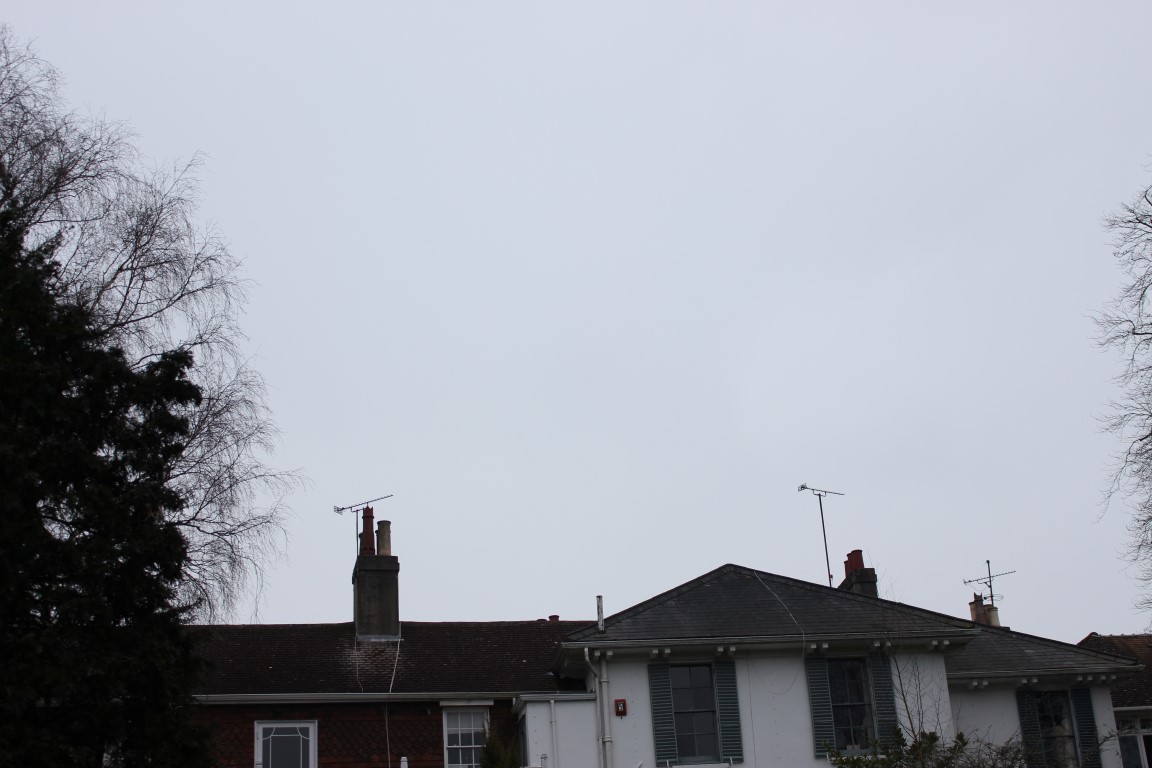
20th March 2015 Eclipse – the sky at 9.50 a.m. sky just after contact.
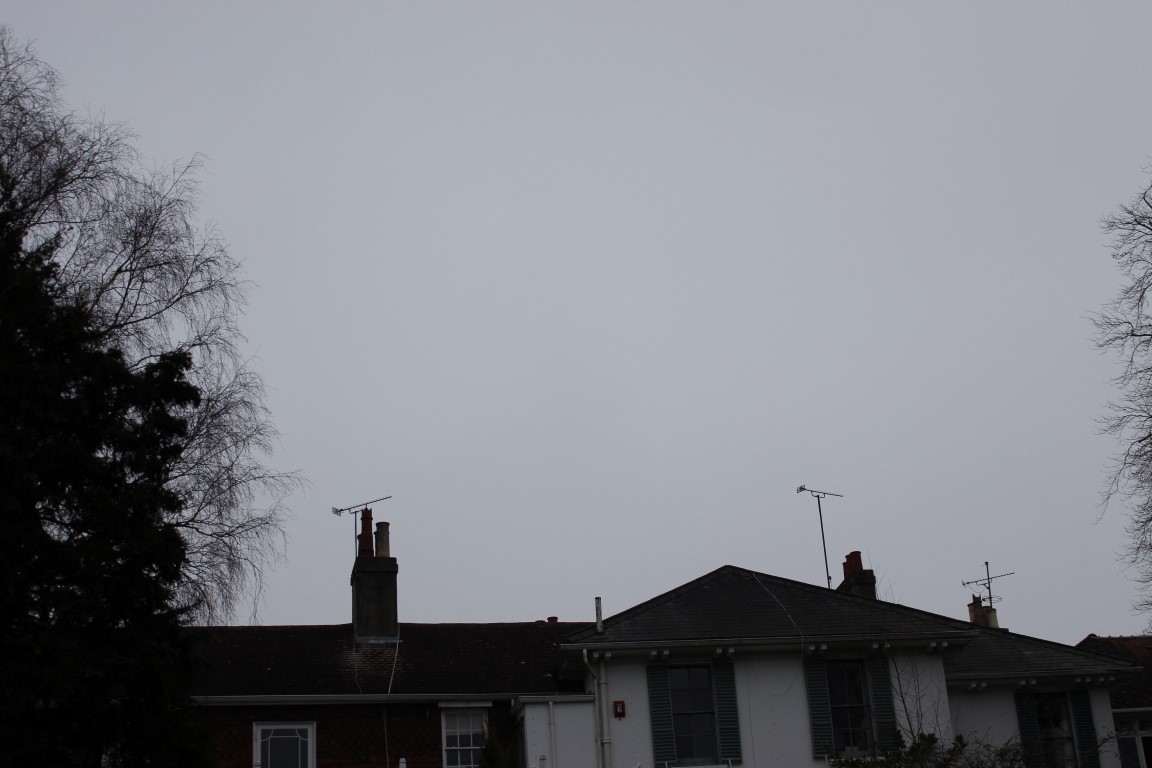
Contact + 15 minutes
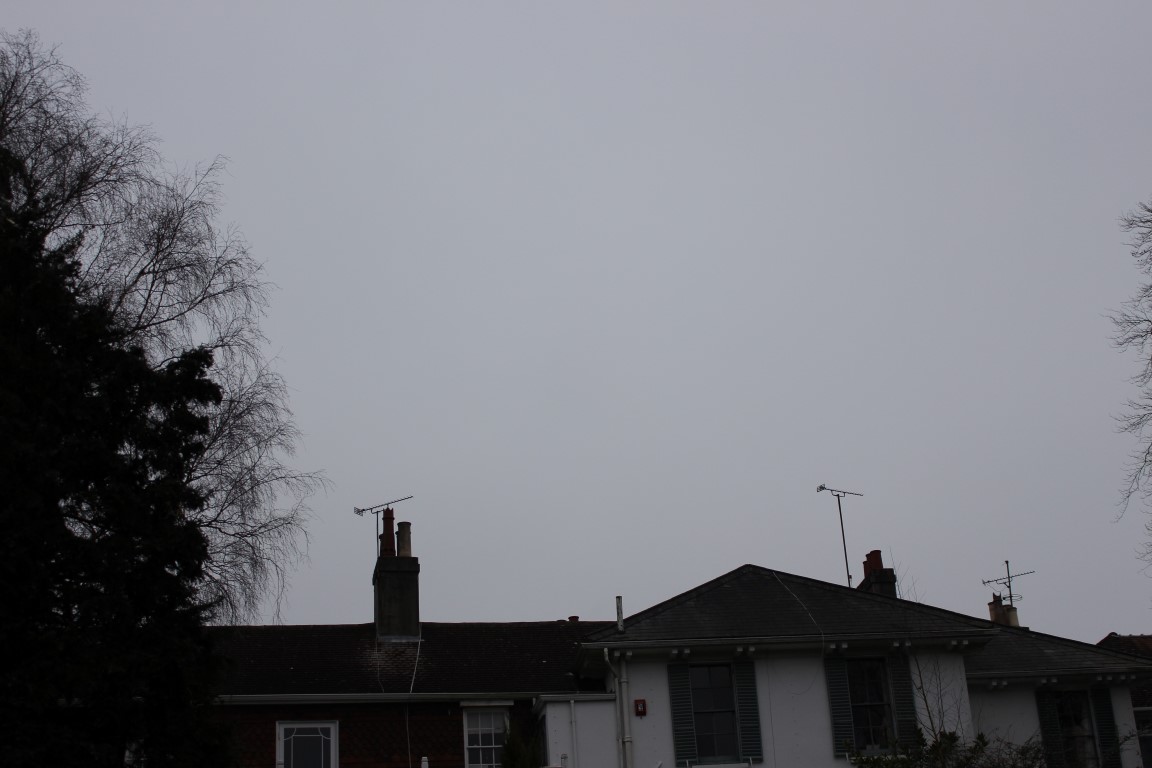
At maximum 85% eclipse, 9.30 a.m.
Next I ‘looked’ at the progress of the eclipse using Google Sky, which seemed to be very accurate. It was fascinating to note that four other planets were lined up alongside the Sun at the same time, though of course would not be visible in the daytime sky even if it had been clear.
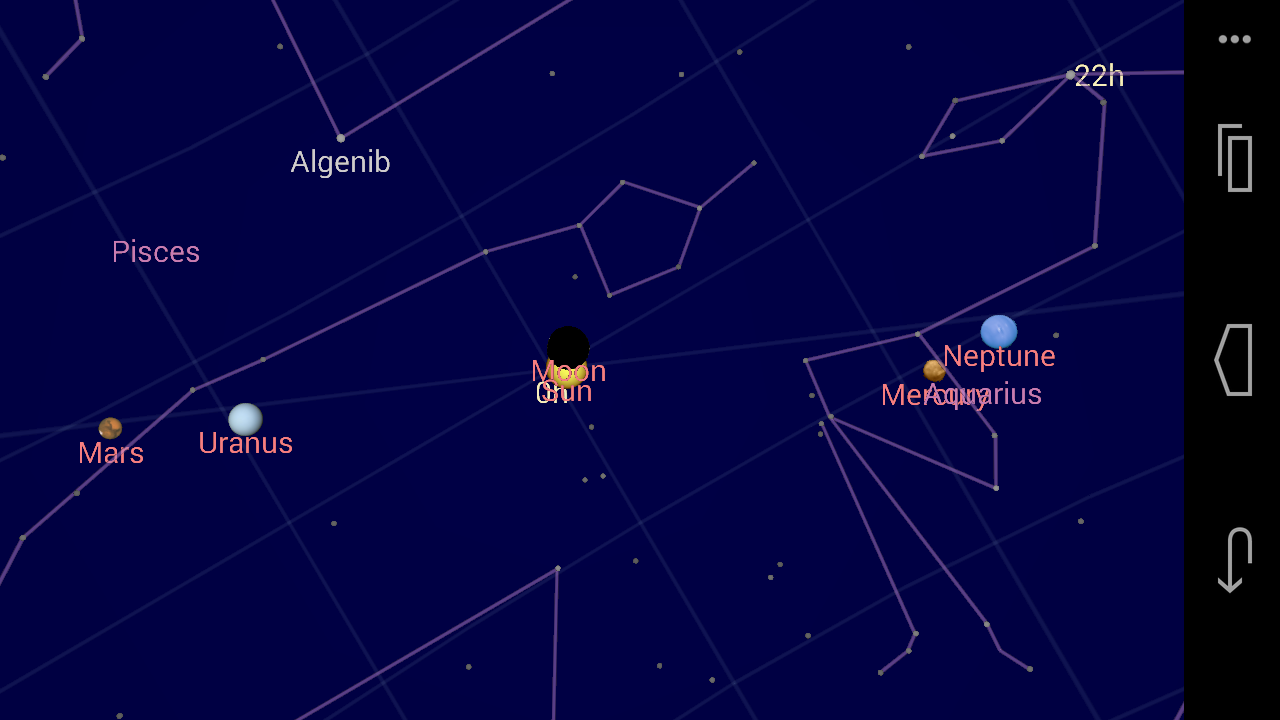
Eclipse as ‘seen’ by Google Sky
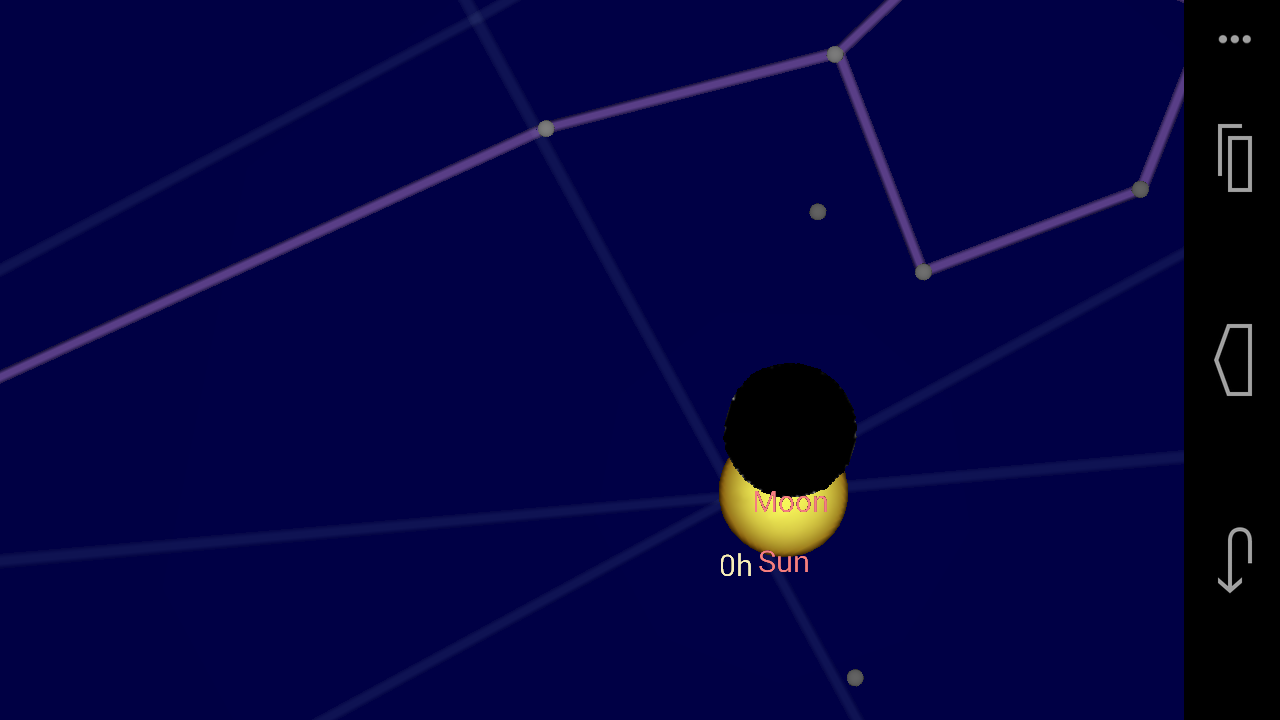
Google Sky screenshot.
In between my own real time experience, I watched the BBC coverage of the event which provided some excellent images from the UK and especially from the air off the Faroe Islands where totality occurred.
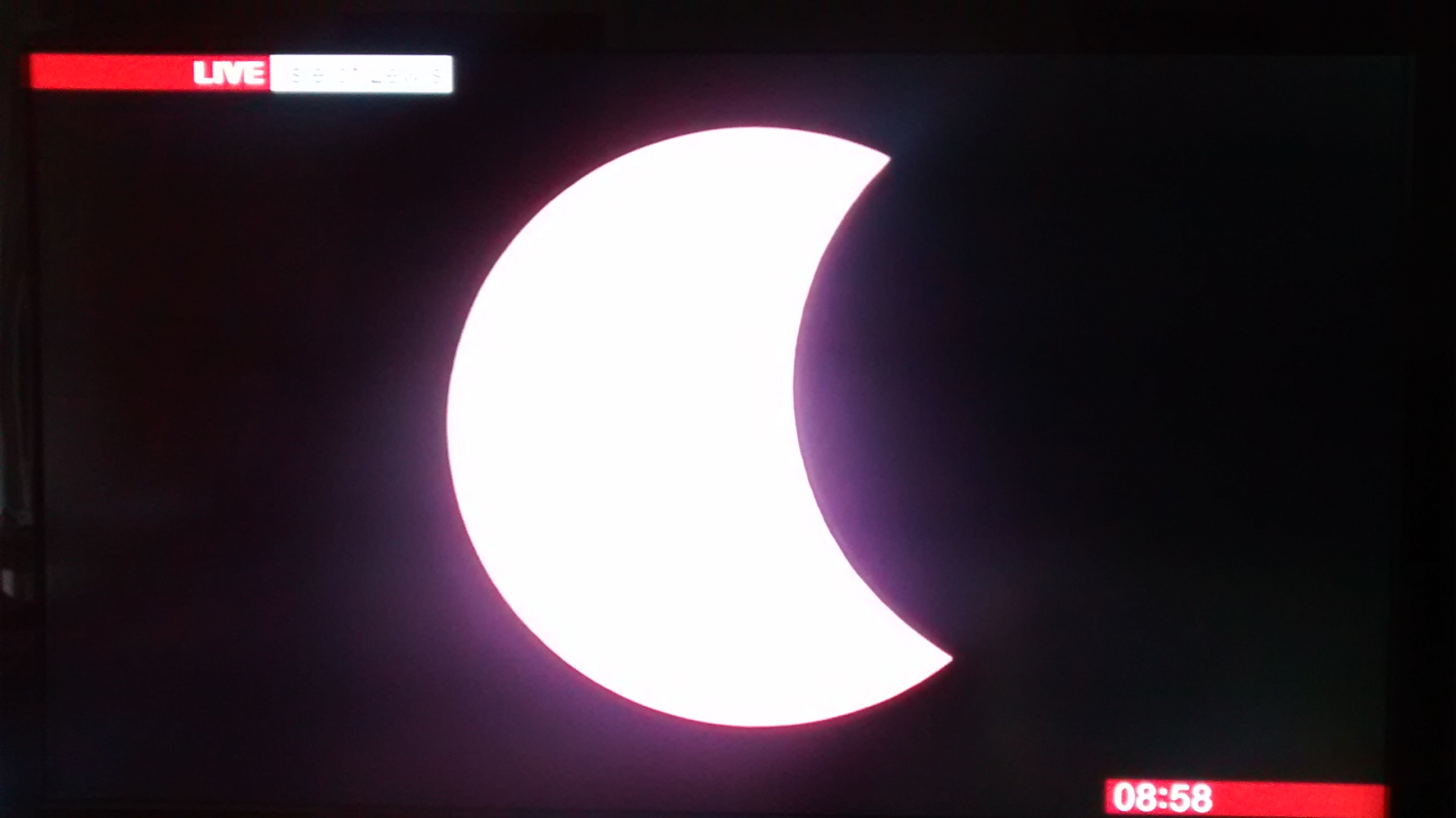
UK eclipse courtesy if the BBC.
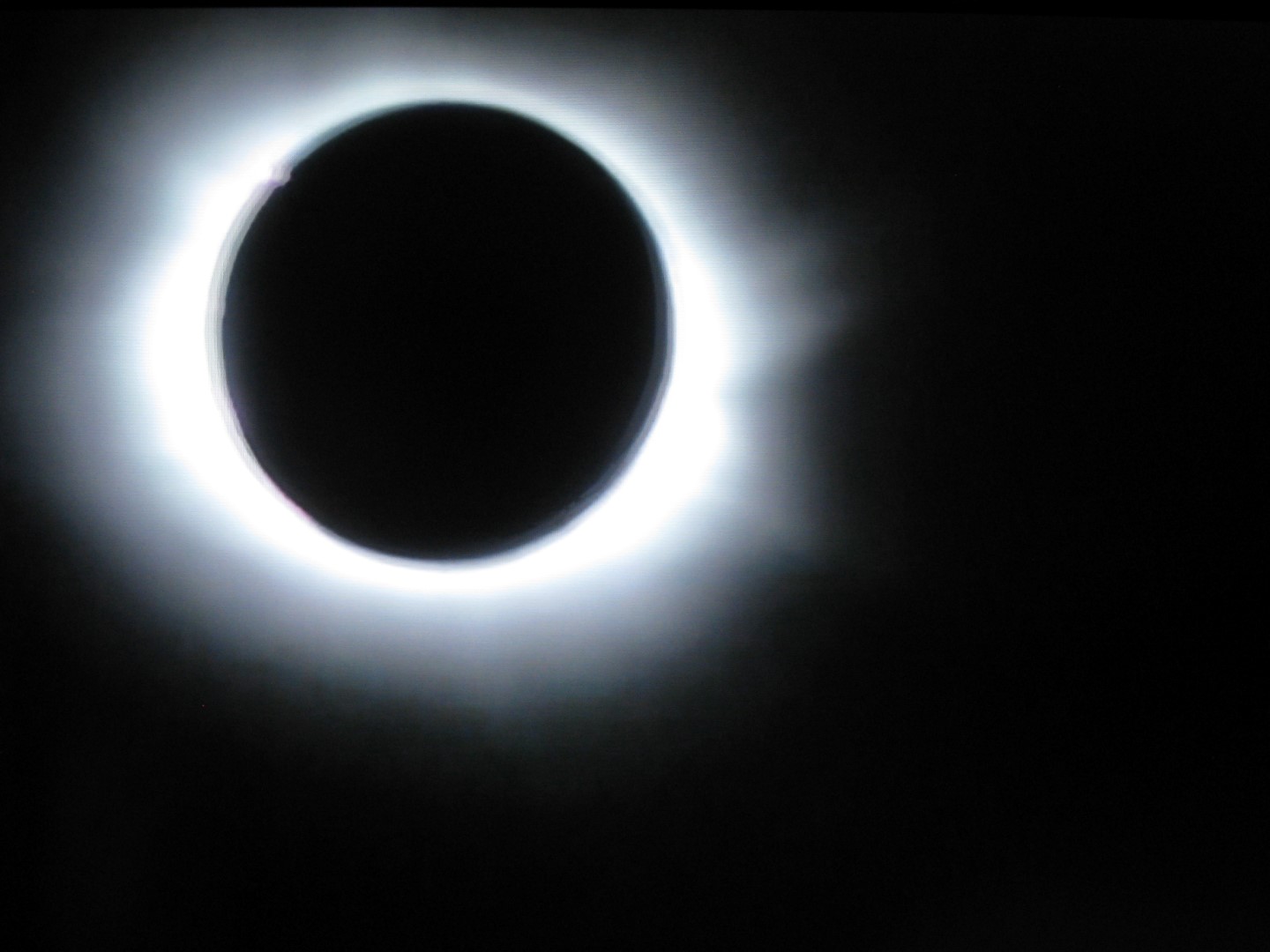
Eclipse totality at 28,000 ft from the Faroe Islands.
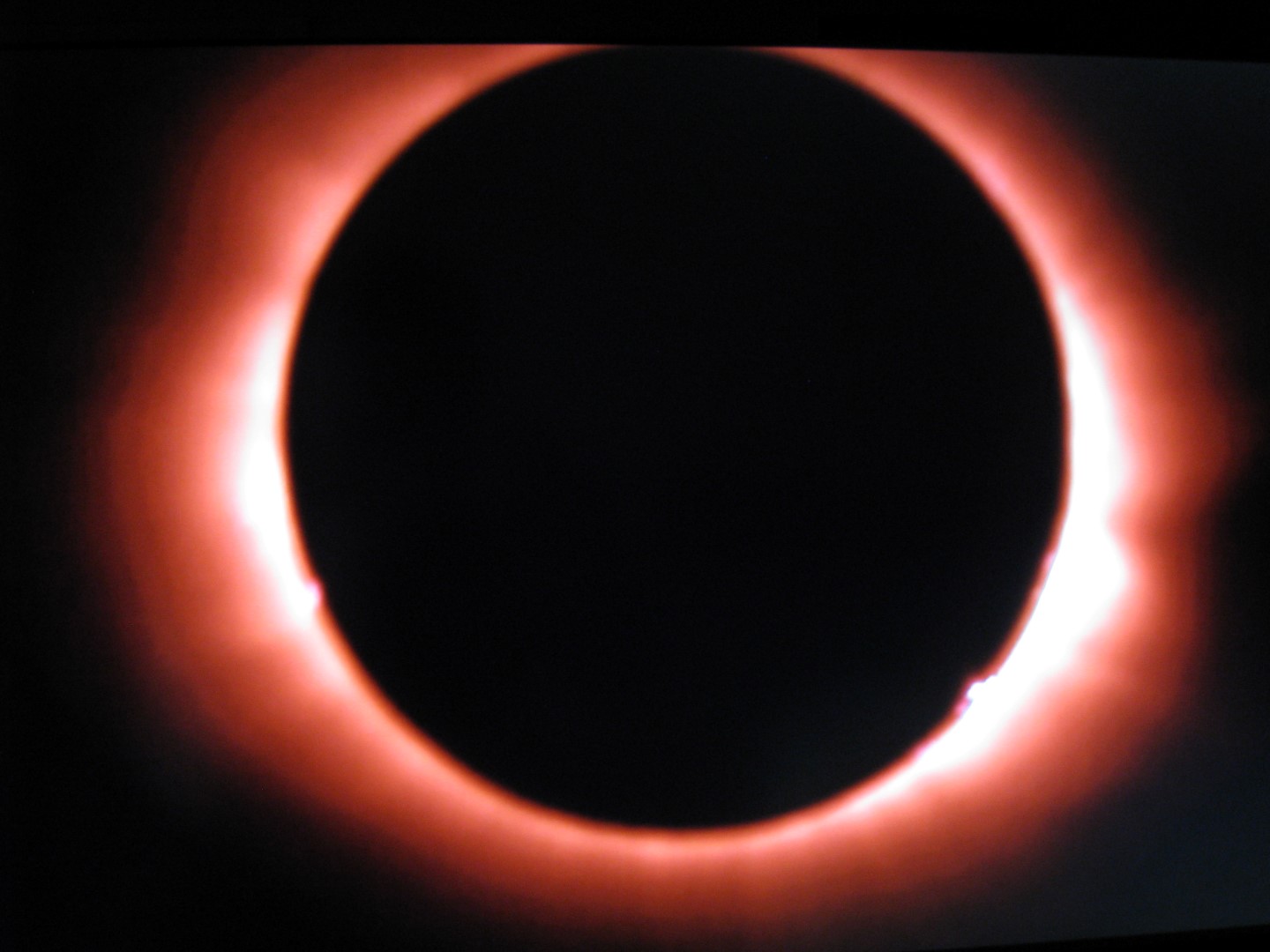
Baily’s beads hydrogen-alpha image. Faroe Islands March 2015.
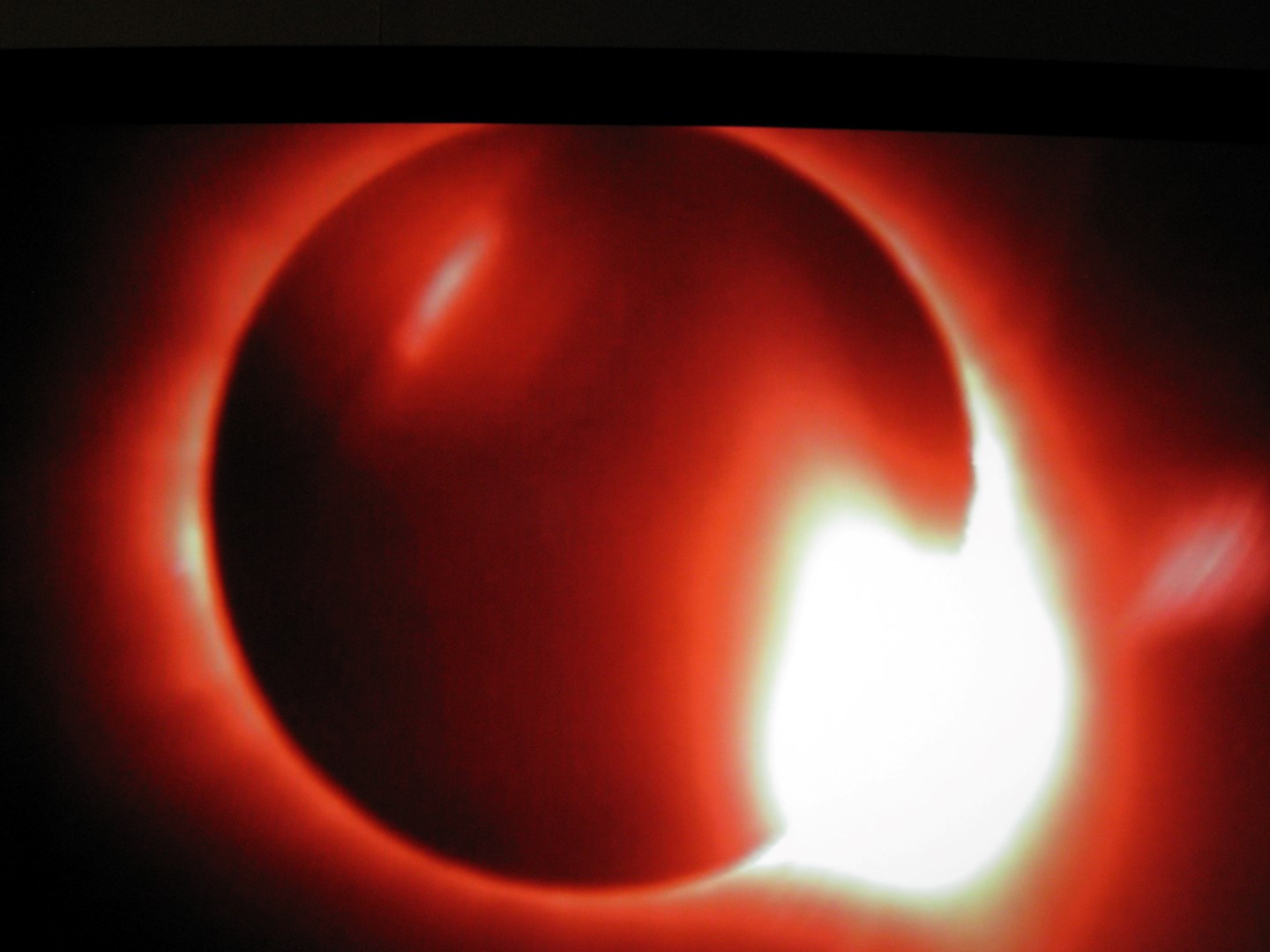
Diamond Ring hydrogen-alpha image.
Faroe Islands March 2015
An eclipse is astronomy in action and inevitably I’m disappointed not to see and image the actual eclipse here but my alternative eclipse was still interesting and good fun. I was lucky to witness a total eclipse in France in August 1999 so that’s a 50% success rate so far. The next partial eclipse in the UK will be on 12th August 2026 so I have time to prepare but, of course, will be unable to do anything about the weather again. Fingers crossed then I suppose!

Another perspective. Eclipse 2006, taken from the ISS the Moon’s shadow passes over Turkey at 2,000 kph.
 WATCH THIS SPACE(MAN)