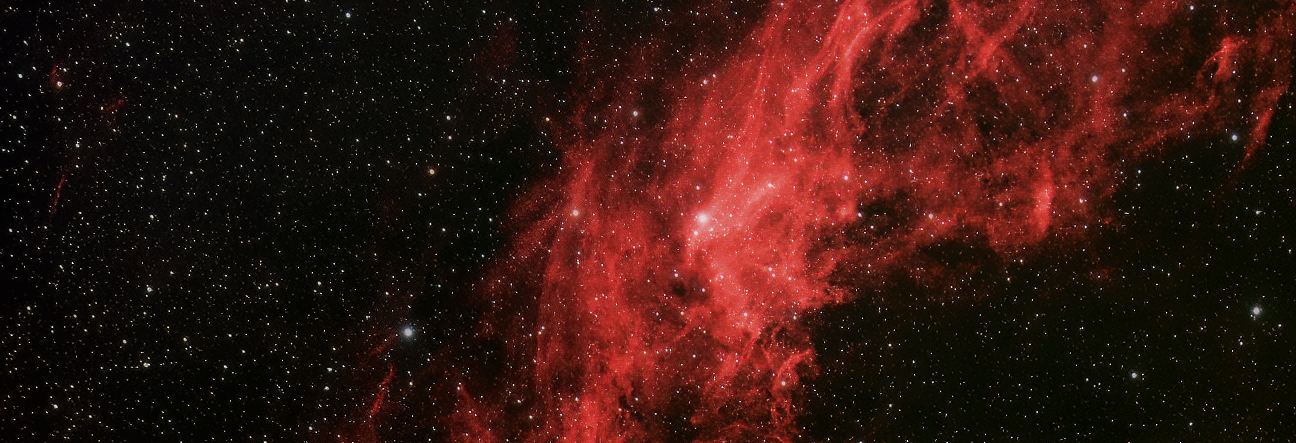
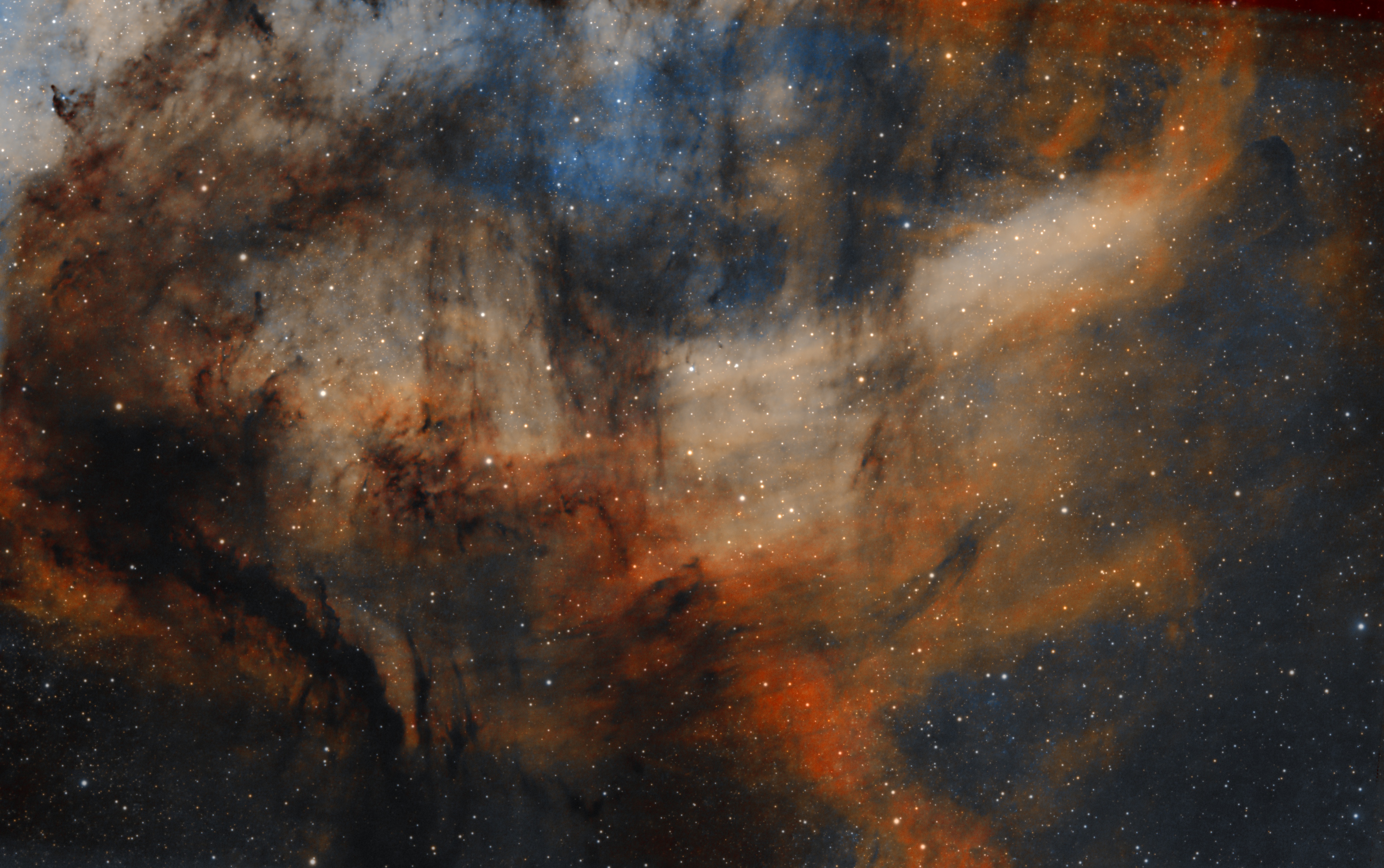
It’s at this time of the year I turn my attention to Cygnus and the plethora of imaging opportunities it provides, which inevitably tend to be narrowband targets. This year it is IC 5068, a low emission nebula often overlooked because of its location near the more popular North American and Pelican nebulae, as well as many other fabulous targets within the adjacent Cygnus molecular cloud, and as a result is unfortunately known as the Forsaken Nebula!
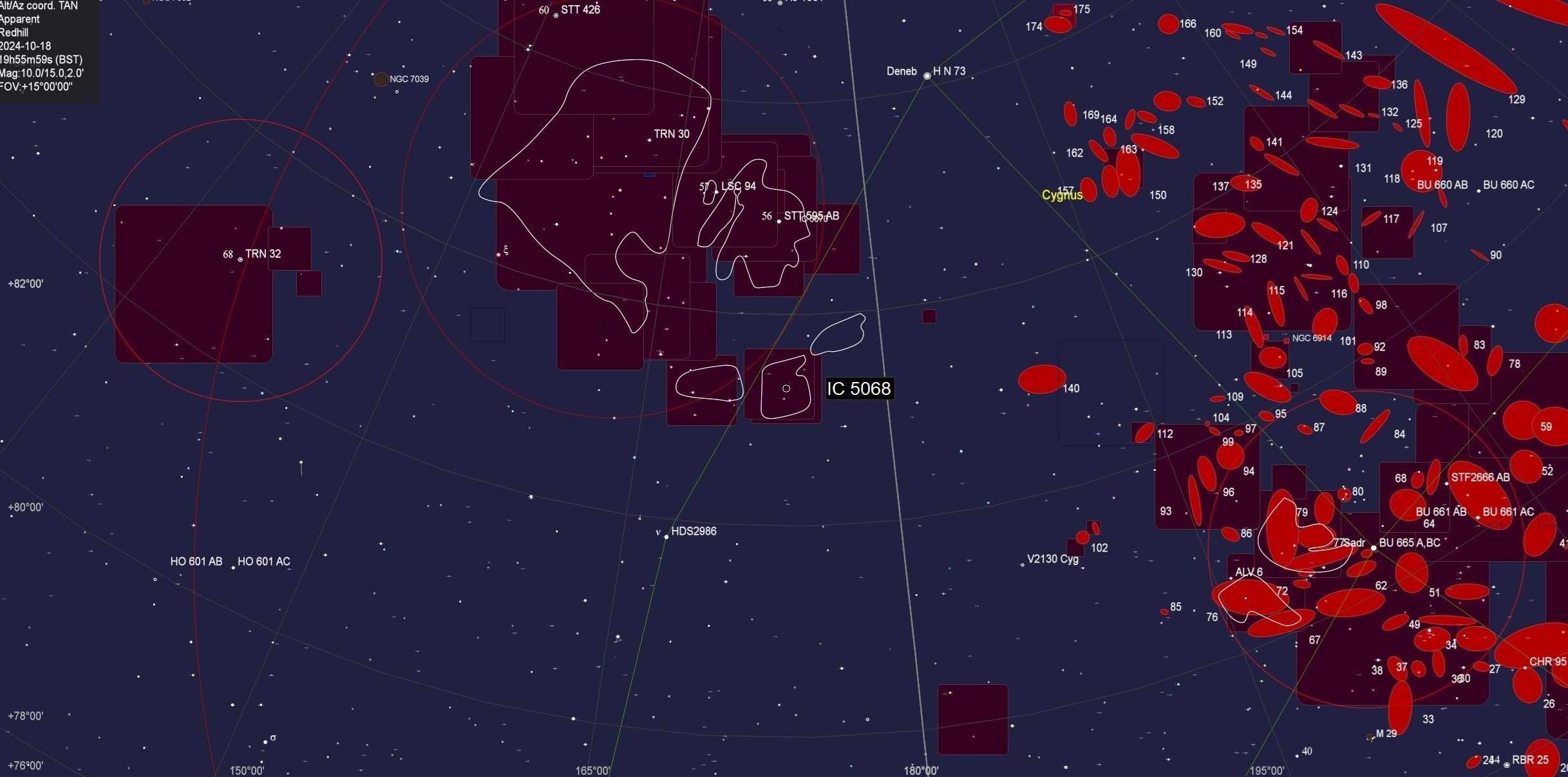
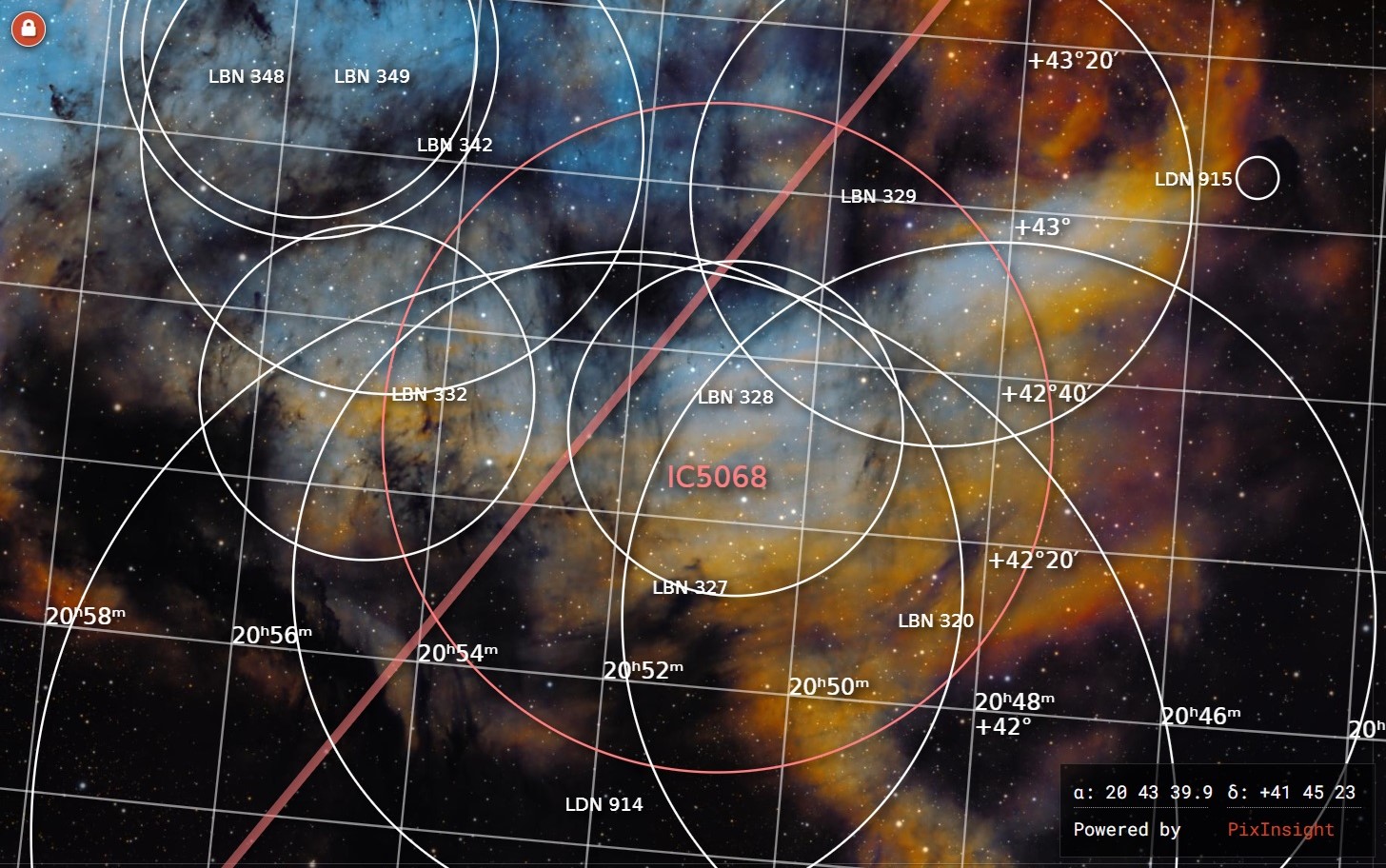
Located just below the Pelican Nebula and close to the blue supergiant Deneb star (see above), this complex area is known for the graphically shaped streaks of cold, dark dust clouds that criss-cross the dense, brightly coloured gas regions of nebulosity.
As a narrowband target my initial choice of image processing was the traditional Hubble Palette SHO configuration, which as envisaged, resulted in an exciting and colourful rendition of the busy IC 5068 (see image below). Notwithstanding, having recently discovered some other, fairly new Pixinsight processing techniques (NB Color Mapper & NB Image Blend), I decided to give them a try to produce an alternative blended HOO–S image. Though still very much recognisable as IC 5068, the resulting (warm) colours and details reveal a very different and perhaps more dynamic image (see image at the top of the page).
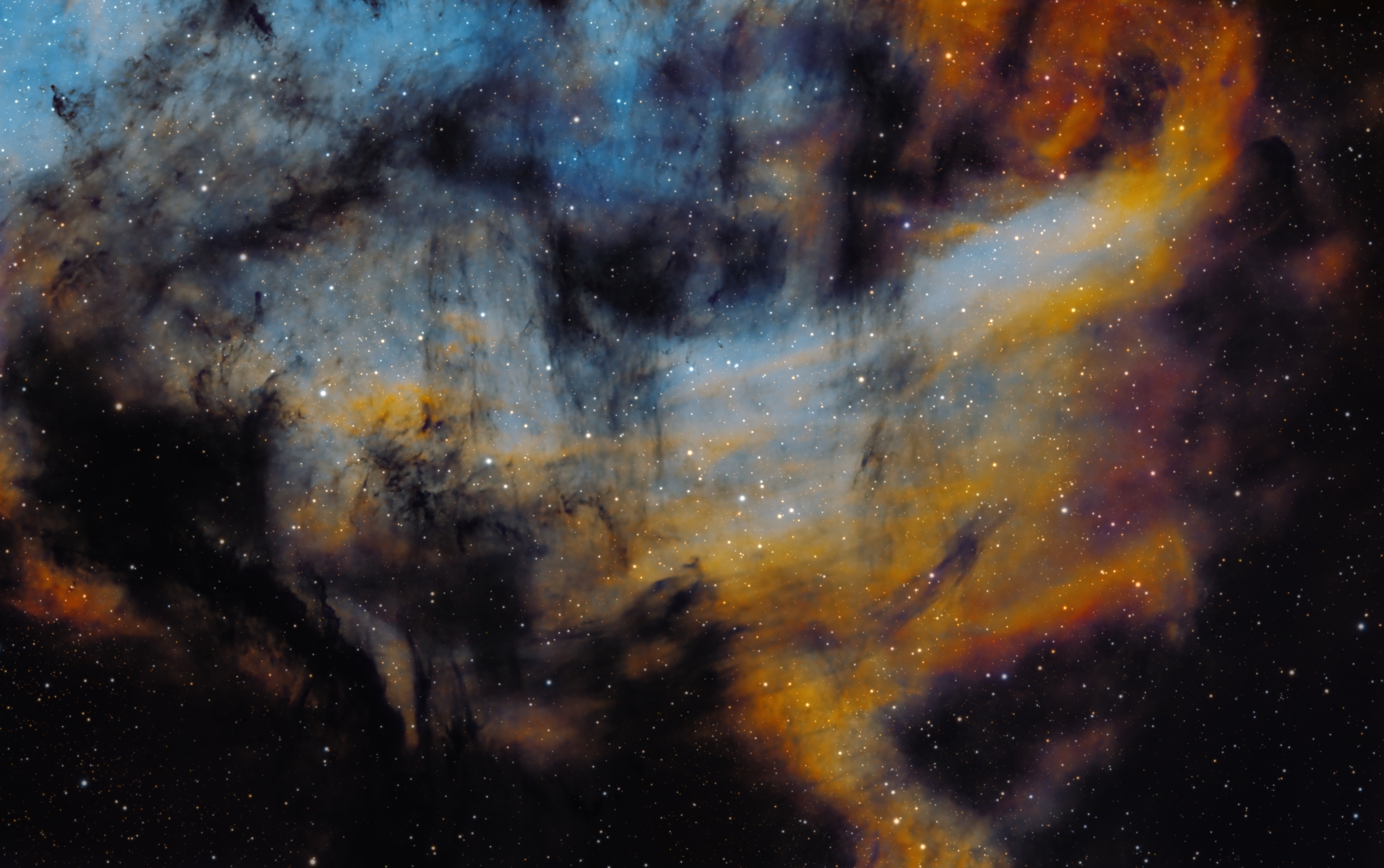
Narrowband images leave much to the imagination when processing and often take on a stirring look when completed. In the case of IC 5068, each of the images produced seem to have the feel of abstract art, whilst at the same time posing many questions regarding the origin of many unusual features. I believe this exciting region deserves much greater attention and should belong in the pantheon of popular Cygnus objects such as the North American, Pelican & Veil nebulae. Moreover, the so-called Foresaken Nebula warrants a name more befitting of its exciting beauty.
| IMAGING DETAILS | |
| Object | IC5068 |
| Constellation | Cygnus |
| Distance | 1,600 light-years |
| Apparent Magnitude | Various |
| Scope | William Optics GT81 + Focal Reducer FL 382mm f4.72 |
| Mount | ZWO AM5 + ASIair plus |
| Guiding | William Optics 50mm guide scope |
| ZWO120MM mini | |
| Camera | ZWO ASI294MM CMOS sensor |
| FOV 2.87o x 1.96o Resolution 2.50”/pix Max. image size 4,144 x 2,822 pix | |
| EFW | ZWOx8 EFW & 31mm Chroma Ha, OIII, SII filters |
| Capture & Processing | ASIair plus, Deep Sky Stacker & PixInsight v1.8.9-3 |
| Image Location & Orientation | Centre = RA 20:51:16.50 DEC +42::30 : 05.30 Top = North |
| Exposures | Ha x56 + OIII x46 + SII x44 x 300 sec Total Integration Time: 12hr 10 min |
| @ Gain 120 @ -20oC | |
| Calibration | 5 x 300 sec Darks 10 x NB Flats & Dark Flats @ ADU 32,000 |
| Location & Darkness | Fairvale Observatory – Redhill – Surrey – UK Typically Bortle 5-6 |
| Date & Time | 14th 18th 19th September + 3rd & 10th October 2024 +20.15h |
| Weather | Approx. <10oC RH >=60% 🌙 50% Waxing |
 WATCH THIS SPACE(MAN)